When I first started searching for beginner friendly fitness programs for limited mobility, I hit a wall of generic advice. Most of it clearly came from people who had never dealt with physical limitations. I tore my ACL and gained 40 pounds during recovery. I felt invisible in every fitness space I entered. Standard workout videos just made me want to throw my laptop. I kept looking and experimenting until I built a routine that changed everything. These are the programs that actually worked for me and many others in similar situations.
1. SilverSneakers: The Gold Standard for Accessible Fitness
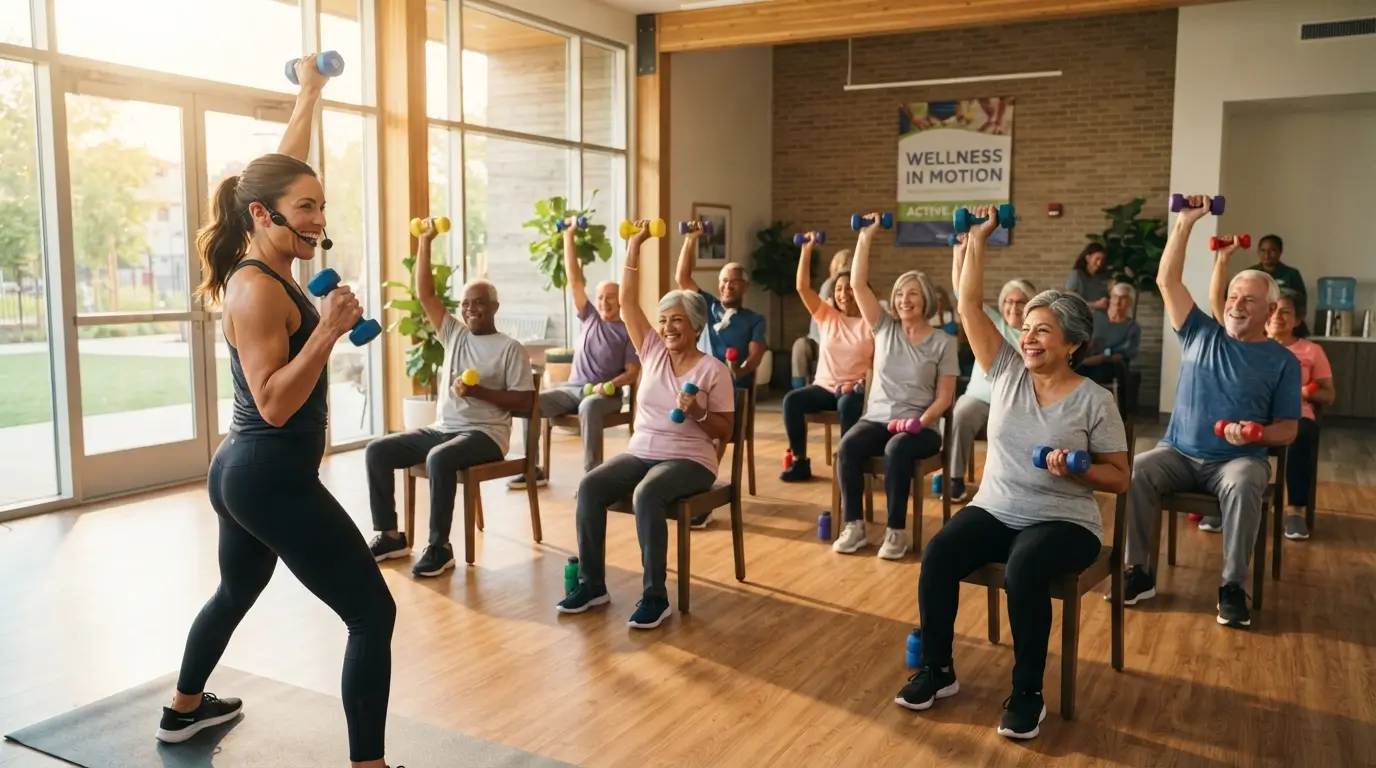
SilverSneakers gets marketed heavily toward seniors. Honestly though, it works well for anyone dealing with limited mobility at any age. I tried it during my knee rehab and was surprised by how challenging the seated workouts actually felt.
Also Read: Best Fitness Plans for Shy Introverted Beginners
You get live online classes alongside on-demand videos broken into categories like classic or circuit. Most exercises use a chair for support. Instructors consistently offer modifications so you can match your ability level. If you have Medicare you might already have free access. I used their upper body seated strength class three times a week. Within six weeks my arms looked noticeably different. The community forums are active too. That helps a lot when your motivation dips.
2. Sit and Be Fit: Surprisingly Effective Chair Workouts
Mary Ann Wilson created Sit and Be Fit decades ago. It still holds up perfectly. This PBS show turned streaming program focuses entirely on seated exercise. I genuinely underestimated how much I would sweat from a chair.
Each episode runs about 30 minutes. It covers gentle stretching and resistance band work. Wilson keeps the pacing slow so you never feel rushed. It feels deliberate enough that your muscles actually engage. I paired this with light hand weights after my first month and noticed real improvement in my shoulder stability. You can stream episodes on their website or find older seasons on YouTube for free.
3. Adaptive Training Academy by Kyle Maynard
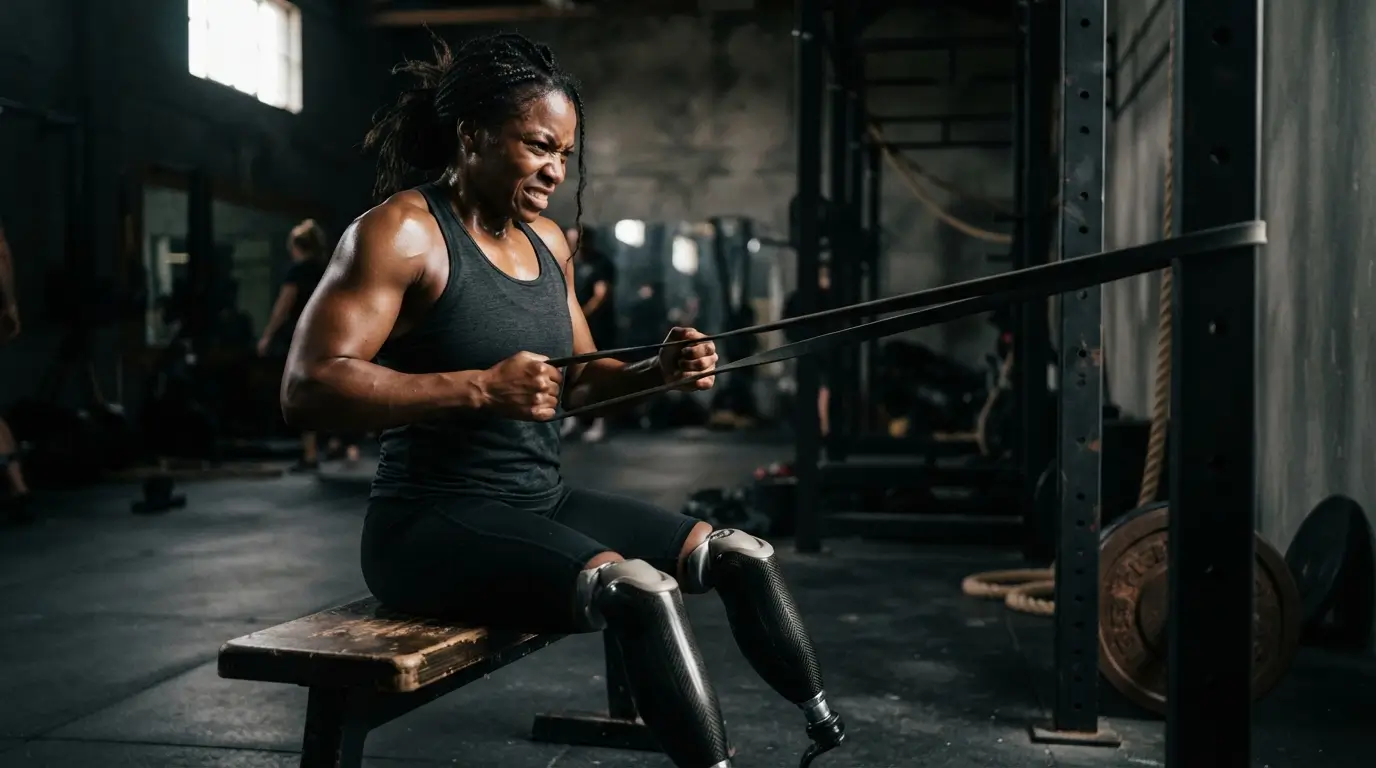
Kyle Maynard is a quadruple amputee who became a CrossFit certified trainer. His Adaptive Training Academy offers programming designed specifically for people whose bodies don’t fit traditional workout molds. I found his approach refreshing. He treats limited mobility as a starting point to build from rather than something to overcome.
The programs range from total beginner to intermediate. Every single exercise includes at least two modification options. A monthly membership runs around $29 and the video library is massive. What sold me was the focus on functional strength. These are exercises that help you do real life things like carry groceries or get up from the floor without pain.
4. DDPY (DDP Yoga): Yoga Meets Real Talk
Former pro wrestler Diamond Dallas Page built DDPY after blowing out his back and knees. The program combines yoga positions with physical therapy principles. I rolled my eyes at it initially. A wrestler doing yoga sounded silly. But this program has documented cases of people going from wheelchairs to walking.
The beginner series includes routines called Bed Flex and Chair Force. These start with movements you can do lying down or seated. The app costs about $8 per month. A progression system tracks your flexibility gains over time. I used DDPY during a period when standing for more than ten minutes caused back spasms. The bed-based routines kept me moving without aggravating anything.
5. HASfit: Free YouTube Workouts With Real Modifications
HASfit stands for Heart and Soul Fitness. Their YouTube channel offers hundreds of free workout videos. What sets them apart is that Coach Kozak films alongside his wife Claudia. She demonstrates easier modifications in real time during every single video.
Their low impact and senior fitness playlists are goldmines for anyone looking for beginner friendly fitness programs for limited mobility. I used their 30-minute seated cardio video on days when my knee swelling was bad. My heart rate still got up to 130 BPM. You need no subscription and no equipment for most videos. The production quality is genuinely good. They also have a free app if you prefer working out on your phone.
6. Aquatic Therapy Programs at Local YMCAs
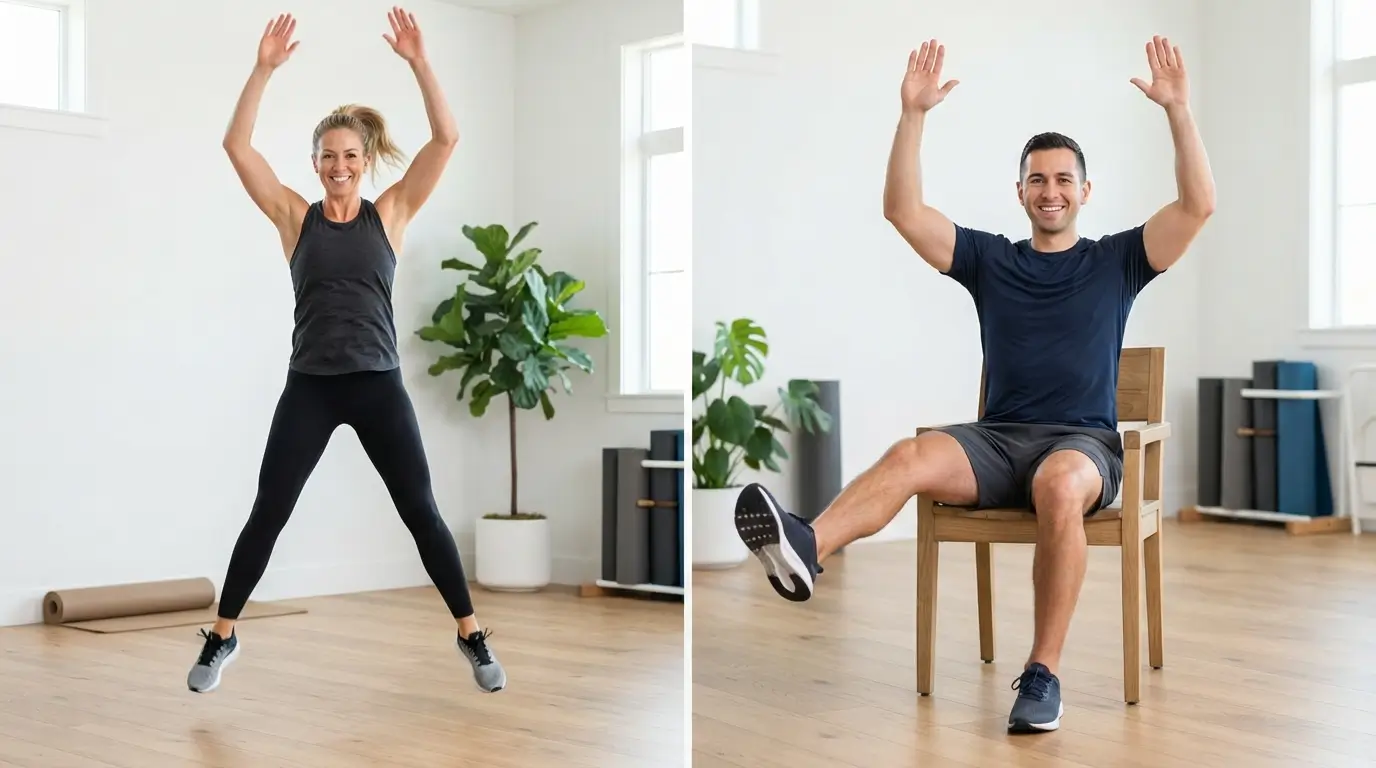
Water-based exercise changed my recovery timeline more than anything else on this list. Most YMCA locations offer warm water therapy pools alongside structured aqua fitness classes. Many locations offer financial assistance programs if the membership fee is a barrier.
The buoyancy removes roughly 90 percent of your body weight from your joints. That means movements that would be painful on land feel almost effortless in the pool. I attended a twice-weekly aqua aerobics class for three months. I regained most of my knee range of motion during that stretch. If your local YMCA doesn’t offer classes you should ask about open swim hours. Look up the Arthritis Foundation aquatic exercise program too. Many facilities use it as their curriculum.
7. Apple Fitness+ Wheelchair Workouts
Apple quietly added wheelchair-specific workout programs to their Fitness+ platform. The quality surprised me. Trainers like Amir and Molly lead sessions designed specifically for wheelchair users. They cover strength and HIIT training.
You need an Apple Watch and an iPhone to get the full tracking experience. That admittedly makes this one of the pricier options. The subscription runs $10 per month. The heart rate and calorie tracking calibrated for wheelchair movement is something I haven’t seen anywhere else. A friend of mine who uses a manual chair said these workouts finally gave her that gym high she had been missing since her spinal cord injury two years ago.
8. Body Project on YouTube: Zero Judgment, Maximum Heart
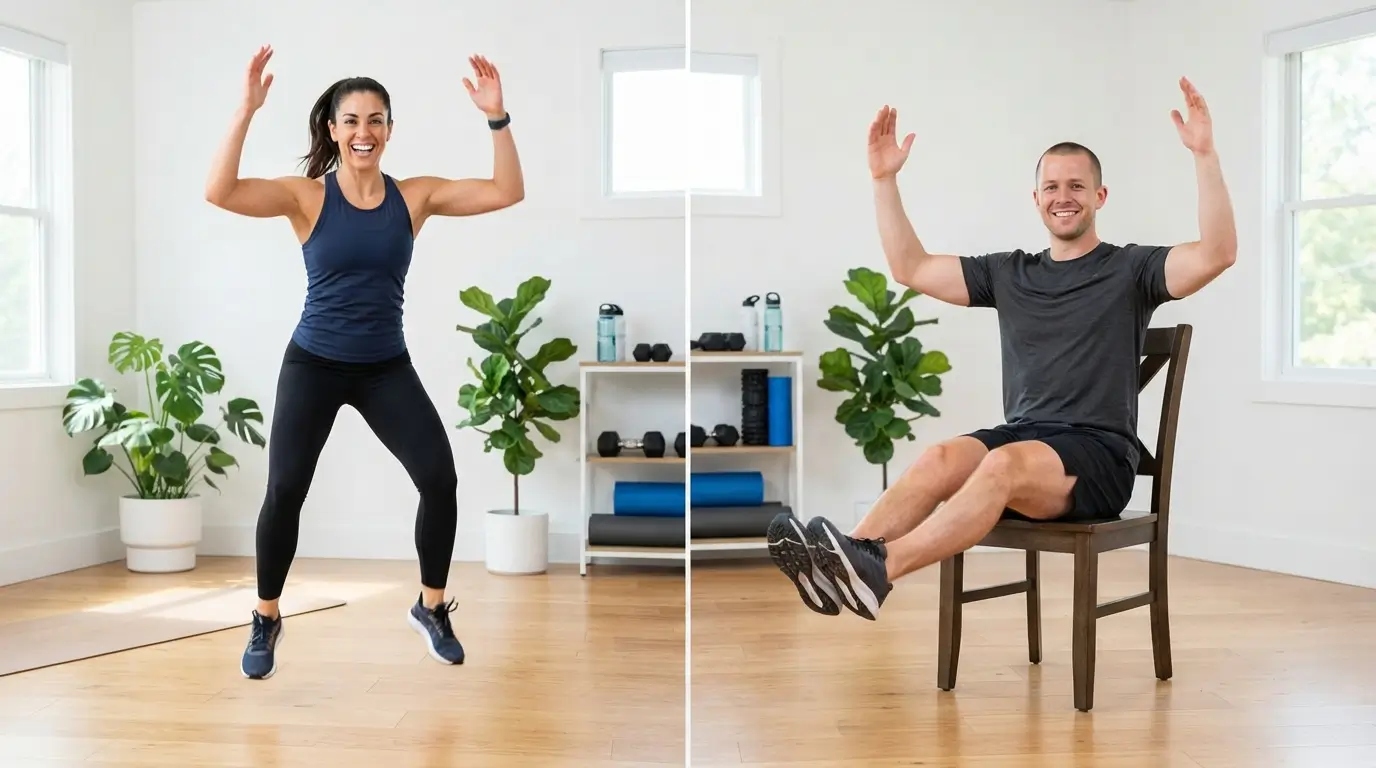
Daniel and Alexandra from The Body Project film workouts specifically for people who feel intimidated by fitness culture. Their low-impact series requires no equipment. They offer standing and modified versions of every exercise simultaneously on screen.
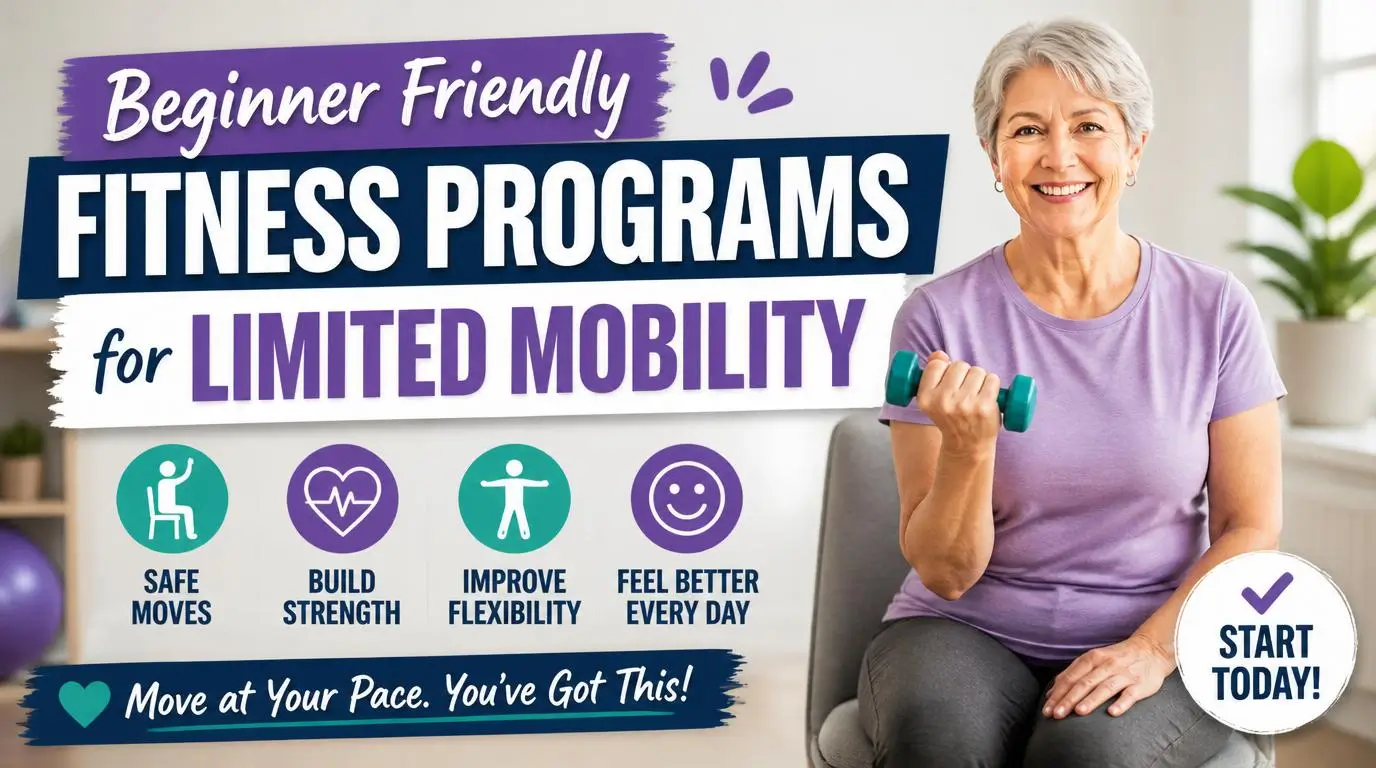
Also Read: Beginner Friendly Fitness Programs for Limited Mobility
I would point anyone who hasn’t exercised in years to their absolute beginner series. The 20-minute format doesn’t overwhelm you. Daniel has a genuinely encouraging energy that never crosses into patronizing territory. Over 500,000 subscribers seem to agree with that. I rotated their videos with HASfit during my recovery. I appreciated that neither channel ever made me feel like less of an athlete for needing modifications.
How to Choose the Right Program for Your Specific Situation
Picking from this list depends on a few honest questions. What is your mobility limitation? Temporary injury recovery looks different from a permanent condition. What is your budget? Free options like HASfit and Body Project deliver real results. Do you prefer working out alone or with a group?
I recommend starting with one program and sticking with it for at least three weeks before judging whether it works. Your body needs time to adapt. Your brain needs time to build the habit. Track your progress with something simple like a notebook. Do not just track weight or measurements. Write down things like climbed the stairs without stopping or carried all the grocery bags in one trip. Those wins matter more than any number on a scale.
Beginner Friendly Fitness Programs for Limited Mobility: What to Watch Out For
Not every program marketed as accessible actually delivers. I wasted money on two apps that claimed to offer adaptive workouts. They really just slowed down standard exercises without modifying the actual movements. Slower push-ups are still push-ups. If you can’t get on the floor then speed is not your problem.
Watch out for programs that never show a seated option. Be wary of trainers who say anyone can do this without demonstrating alternatives. Subscriptions that lock basic modification content behind premium tiers are another bad sign. The best programs treat accessibility as a core feature. Every program I have listed above passed that test for me personally.
Building Your Own Weekly Schedule
Once you pick a program or two, structure matters. Here is what worked during my recovery and what I still roughly follow today:
- On Mondays I focus on upper body strength using SilverSneakers or HASfit for 25 to 30 minutes.
- Wednesdays are for seated cardio through Body Project or DDPY for 20 to 30 minutes.
- Fridays I dedicate to flexibility and balance with Sit and Be Fit or DDPY Bed Flex for 30 minutes.
- Saturdays are for fun movement like an aqua class or a longer walk if you are able.
Rest days aren’t lazy days. They are when your muscles actually rebuild. I learned the hard way that doing something every single day during rehab led to a setback. That cost me three weeks of progress. Three to four days per week is genuinely enough when you are starting out.
Frequently Asked Questions
Can I build real muscle with seated workouts?
Yes you can. Your muscles don’t care whether you’re standing or sitting. They respond to resistance. Seated dumbbell presses or resistance band rows build legitimate strength. I gained noticeable muscle in my arms and shoulders doing exclusively seated work for four months during my knee recovery. Consistency matters far more than position.
What’s the best free option for someone with limited mobility?
HASfit and Body Project on YouTube are both excellent and completely free. HASfit offers more variety with hundreds of videos. Body Project tends to feel more personal and encouraging. I would start with one beginner video from each channel and see which trainer style clicks with you. Both show real-time modifications in every workout.
How do I stay motivated when progress feels slow?
Track non-scale victories. Write down things like reached the top shelf without pain or walked to the mailbox without resting. I kept a small notebook during rehab. Reading back through it on bad days reminded me how far I had actually come. Progress with limited mobility often happens in ways a mirror will not show you right away.
Are beginner friendly fitness programs for limited mobility safe without a doctor’s approval?
I always recommend checking with your doctor or physical therapist first. This is especially true if you are dealing with a recent injury or surgery. Every program on this list was designed with safety as a priority. Starting slow and listening to your body are non-negotiable basics regardless of which program you choose.
Do I need special equipment to get started?
Most programs on this list require nothing beyond a sturdy chair. As you progress a set of light dumbbells between 2 to 5 pounds and a resistance band will expand your options significantly. I bought a 12 dollar resistance band set from Amazon three years ago and still use them weekly. Skip the fancy gear until you know what your body actually needs.
Conclusion
Finding the right workout when your body has limitations isn’t about settling for less. It is about being smarter with what you have got. Every program on this list helped me or someone I know move better and feel stronger. It helps stop the dread of exercise. Which one are you going to try first?