Finding the best workout plans for college students feels impossible when you have 8 AM classes, group projects, and a social life that always wins. I spent my freshman year saying I would start on Monday every single week. Things finally clicked when I stopped copying fitness influencer routines and built a plan around my actual schedule. Your workout does not need to be perfect. It just needs to fit your life right now.
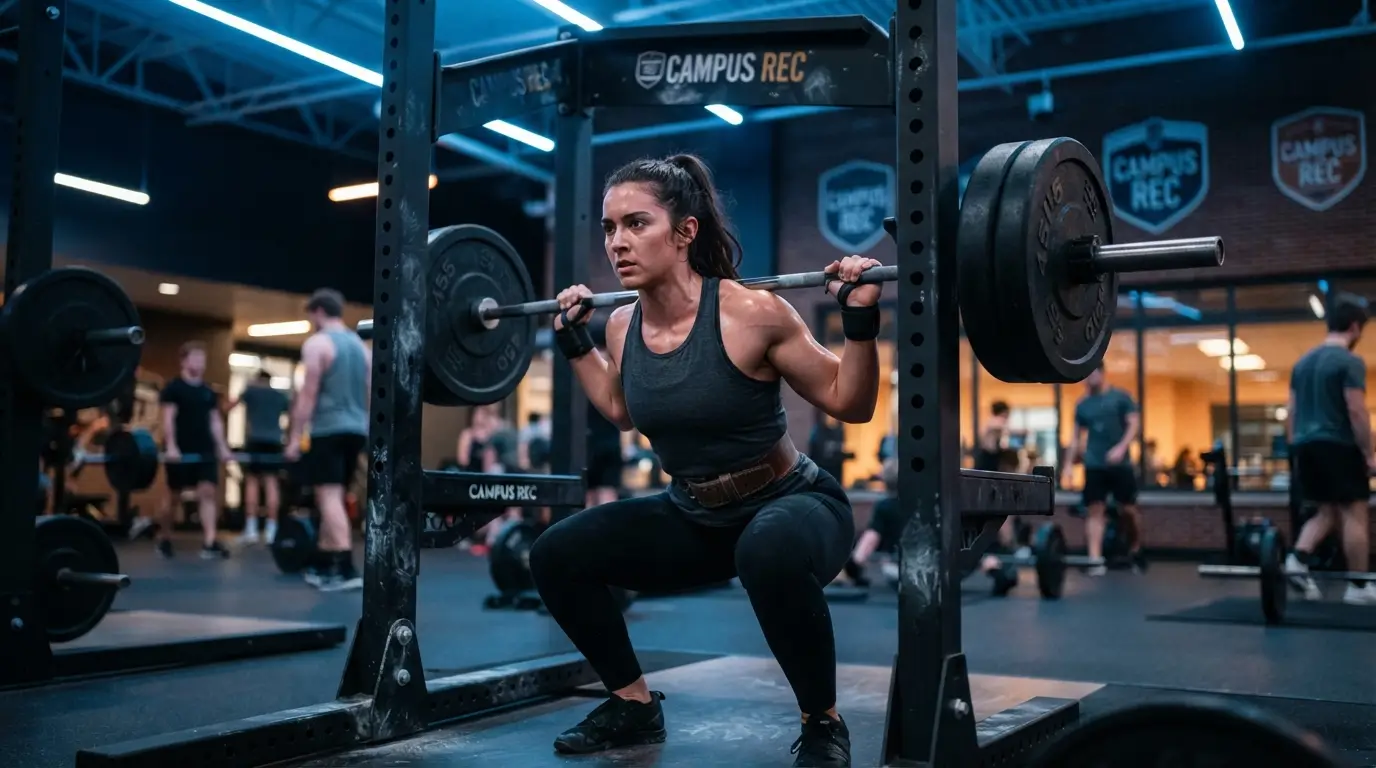
1. The 3-Day Full Body Split
I wish someone had handed me this plan on move-in day. You train three days a week and hit every major muscle group each session. Monday, Wednesday, and Friday works perfectly around most class schedules.
Also Read: Foolproof Workout Plans for Indecisive Beginners
Each workout takes about 45 minutes. Stick to compound movements like squats, bench press, rows, and overhead press. Doing three sets of eight to twelve reps per exercise keeps things simple. I ran this plan for most of my sophomore year and saw more progress than any fancy five-day split ever gave me. The plan is forgiving if you miss a day. You will miss a day.
2. The Dorm Room Bodyweight Plan
No gym access means no problem. Plenty of colleges have packed rec centers or charge extra for a membership. A solid bodyweight routine removes every excuse.
Push-ups, squats, lunges, planks, burpees, and pike push-ups cover the basics. I used the Nike Training Club app on the free tier for guided sessions lasting 20 to 30 minutes. Do these four or five days a week and you will build real functional strength. I did this my entire freshman year before touching a barbell. My core strength was honestly better back then than it is now.
3. The Push/Pull/Legs Split
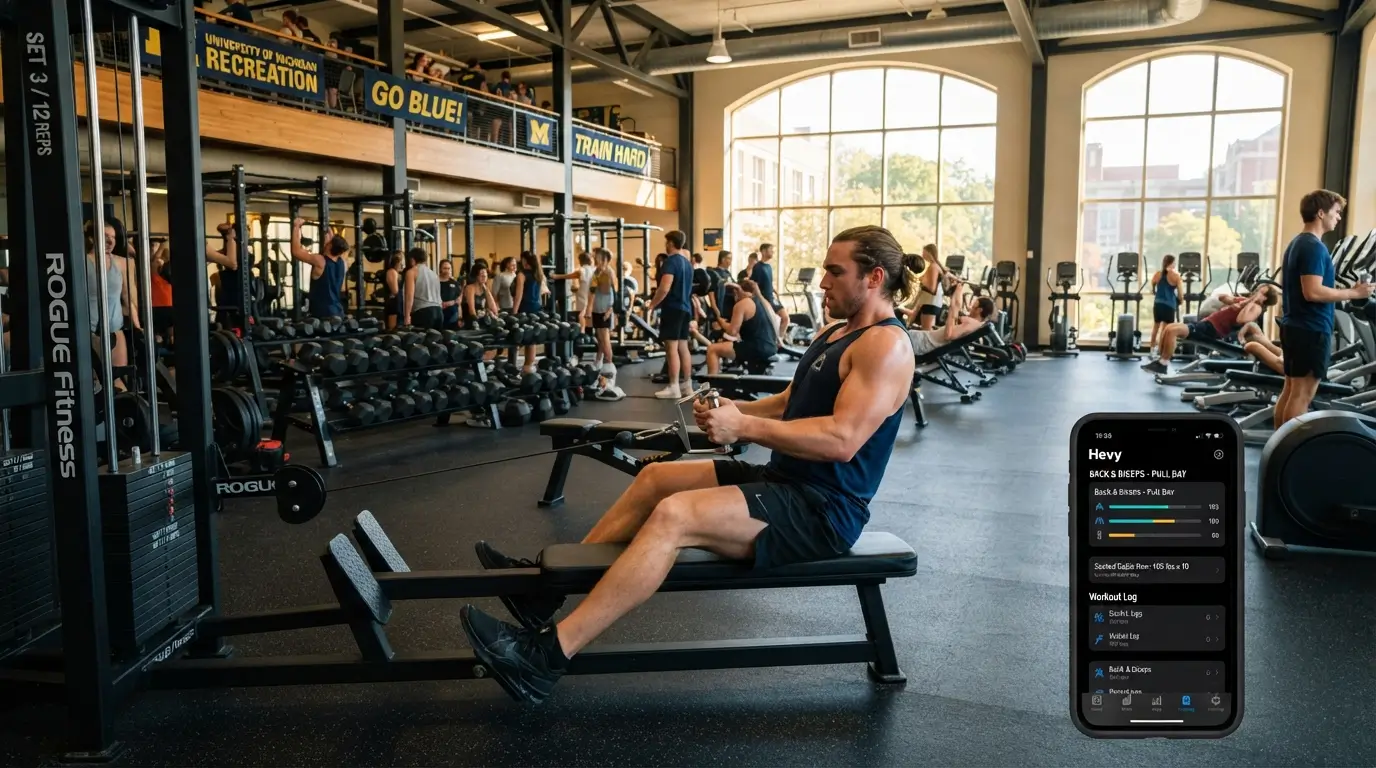
Once you have been training for a few months and want more volume, push/pull/legs is the natural next step. You train chest and shoulders on push day along with triceps. Back and biceps belong to pull day. Legs get their own dedicated session.
Run it three days if you are busy. Bump it to six days if you feel ambitious. Most students I trained with stuck to three days during midterms and finals. We pushed it to six days over winter and summer break. This flexibility makes the plan sustainable for campus life. Apps like JEFIT or Strong help you track your sets and reps between classes.
4. The 20-Minute HIIT Routine
Some weeks you genuinely have 20 minutes and nothing more. HIIT saves you in these situations. Short bursts of maximum effort followed by brief rest periods burn calories and boost your cardiovascular fitness fast.
Also Read: Best Fitness Plans for Shy Introverted Beginners 2026
My go-to format was 40 seconds of work followed by 20 seconds of rest. I rotated through jump squats, mountain climbers, push-ups, high knees, and plank jacks for eight rounds. Then I was done. I would knock these out in my apartment before morning classes. No equipment is required. You just need a timer app and the willingness to sweat in a tiny space. Fair warning though. Your downstairs neighbors might not love you.
5. The Couch-to-5K Running Plan
Running is not glamorous. It is free though, and most campuses have great paths or tracks. The Couch-to-5K program gradually builds you from walking intervals to running a full 5K over eight weeks.
I started this plan after gaining the freshman 15. I genuinely struggled to run for two minutes straight at first. By week six I was doing 25-minute runs around campus before anyone else woke up. The mental health benefits hit harder than the physical ones. Running became my main stress relief during finals season. The official C25K app costs a few bucks. Free alternatives like the NHS Couch to 5K app work just as well.

Best Workout Plans for College Students on a Tight Schedule
Time is the real enemy here. Motivation is not the problem. The best workout plans for college students account for weeks where everything goes sideways. I learned the hard way that consistency beats intensity every single time.
Block your workouts in your calendar like a class. Treat them as non-negotiable appointments. I started scheduling gym time right after my last class so I could not go home and sink into the couch. Your campus rec center will get packed between 4 and 7 PM. Go at weird times instead. Early morning or late evening slots at my school gym were practically empty. You will get better workouts when you do not have to wait for equipment.
Pair your workout with something you already do. If you walk to class every day, add a 15-minute bodyweight circuit after your last lecture before heading home. Stack your habits. This works way better than relying on willpower alone.
6. The Gym Bro Upper/Lower Split
You train four days a week. Upper body gets two days and lower body gets two days. This was my junior and senior year bread and butter. I genuinely think it is the sweet spot for students who want to build muscle without living in the gym.
A typical week looked like Monday upper and Tuesday lower. Thursday was upper again and Friday was lower. Wednesday stayed as a rest day or light cardio. Each session ran about 50 to 60 minutes. Upper days included bench press, rows, overhead press, and arm work. Lower days focused on squats, Romanian deadlifts, leg press, and calf raises. This structure gave me enough volume for solid muscle growth while leaving three full recovery days per week.
7. The Yoga and Mobility Routine
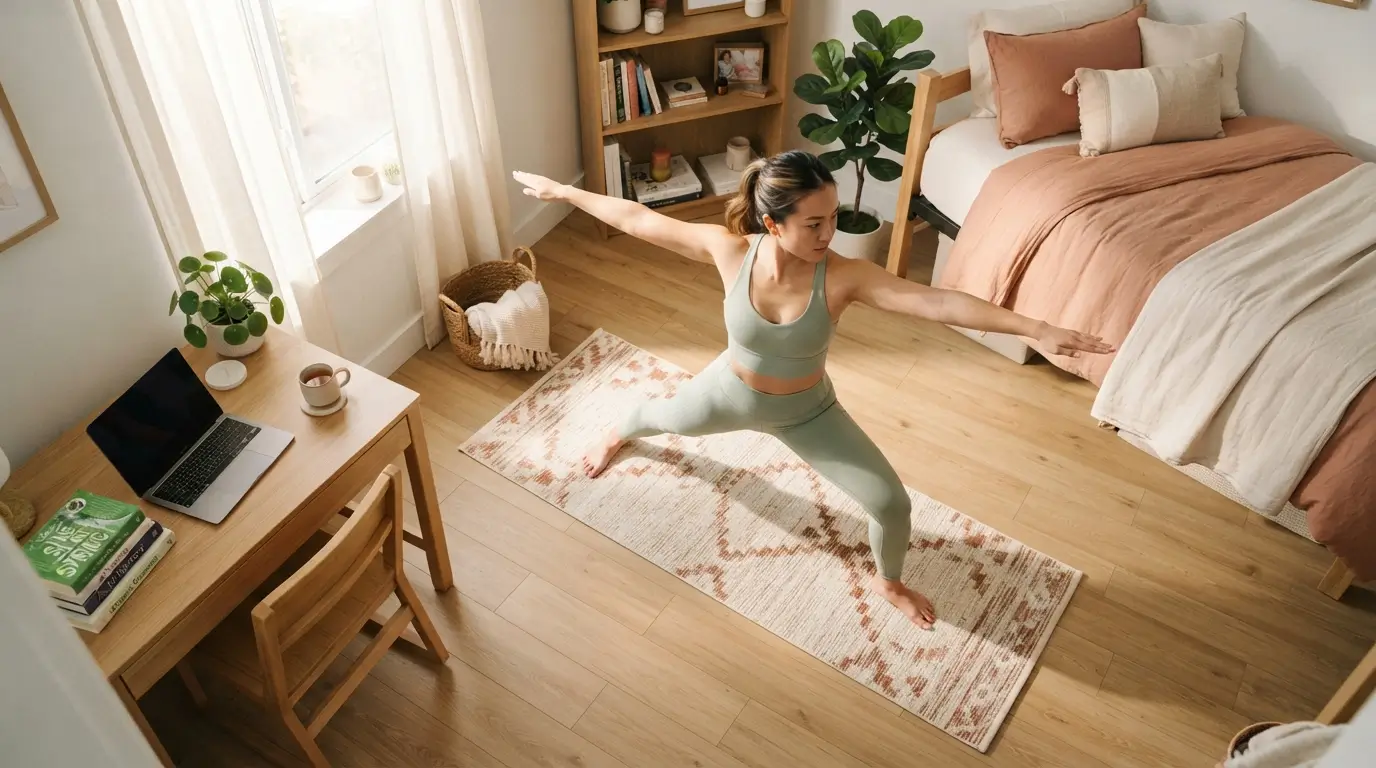
I am going to be honest. I used to think yoga was boring. Then I pulled my lower back deadlifting with garbage form after sitting in lecture halls for six hours straight. Yoga fixed that issue.
Most campus rec centers offer free yoga classes. If yours does not, YouTube channels like Yoga With Adriene have hundreds of free sessions ranging from 10 to 45 minutes. Doing two or three mobility sessions per week alongside your main training plan keeps you injury-free. It also helps with the stiffness that comes from sitting in uncomfortable desks all day. My flexibility and squat depth both improved dramatically after just a month of consistent stretching. Do not skip this stuff.
8. The Group Fitness Option
Sometimes the hardest part of working out in college is doing it alone. Group fitness classes fix the accountability problem entirely. Someone else tells you what to do and when to do it. You are also surrounded by people sweating alongside you.
Most campus gyms offer spin, kickboxing, Zumba, and boot camp classes at no extra cost. I took a kickboxing class on Tuesday nights for an entire semester and never skipped it once. My friend was going and I did not want to bail on her. That social pressure works. Find a lifting partner from your dorm or study group if classes do not appeal to you. Having someone expect you to show up changes everything.
How to Pick the Right Plan for You
Not every plan works for every student. Your choice depends on your schedule and what you actually enjoy doing. Your current experience level plays a role too.
Start with the bodyweight plan or Couch-to-5K if you have never worked out before. Build the habit first. You can add complexity later. The push/pull/legs or upper/lower split will give you the structure you need if you have been lifting for a while. Lean into yoga and HIIT if stress management matters more than muscle gain right now. That should be the priority during finals week anyway.
The best plan is the one you will actually follow for longer than two weeks. I have watched so many friends download elaborate 12-week programs only to quit by day four. Start small and stay consistent. You can always adjust as your semester unfolds.
Nutrition Tips That Actually Fit a College Budget
Your workout only works if you eat enough to support it. Dining hall food is not exactly gourmet. You can still make it work.
Prioritize protein at every meal. Eat scrambled eggs at breakfast and grilled chicken at lunch. Grab whatever protein option the dining hall has at dinner. Keep cheap staples in your dorm like peanut butter, oats, bananas, Greek yogurt, and rice. A tub of whey protein from Optimum Nutrition or MyProtein lasts about a month. It costs roughly the same as two nights of takeout.
Also Read: Beginner Friendly Fitness Programs for Limited Mobility
Do not overthink macros as a college student. Eat enough protein at roughly 0.7 to 1 gram per pound of bodyweight. Fill the rest of your diet with carbs and fats while staying hydrated. That is genuinely 90% of the battle. I tracked calories religiously for one semester and loosely the rest of the time. Both approaches worked fine as long as I kept my protein intake high.
Frequently Asked Questions
How many days a week should a college student work out?
Three to four days per week is the sweet spot for most college students. It provides enough volume to see real results without burning out or cutting into study time. You can do more during lighter weeks if you want. Building a sustainable three-day habit will always beat an aggressive six-day plan that you abandon after two weeks though.
Can I get a good workout without a gym membership?
You can get a great workout without a gym membership. Bodyweight routines, running, HIIT circuits, and yoga all require zero equipment. I spent my entire freshman year training in my dorm room and still built noticeable muscle and endurance. Free apps like Nike Training Club and YouTube channels give you more than enough programming to stay consistent without spending a dime.
What’s the best workout plan for college students who are total beginners?
A three-day full body split or a bodyweight program works best if you are starting from scratch. Both options teach fundamental movement patterns without overwhelming you. Focus on your form over the amount of weight you lift. Do not compare yourself to the guy in the rec center who has been lifting for five years. Everyone starts somewhere. Consistency will get you further than ego lifting ever will.
How do I stay motivated to work out during finals?
Shorten your workouts instead of skipping them entirely. A 15-minute HIIT session or a quick jog clears your head. It actually improves your focus for studying afterward. I found that scheduling workouts right before a study session made both activities more productive. Think of exercise as a study tool rather than a distraction from it.
Is it okay to work out late at night as a college student?
Late night workouts are fine for most people. Training late will not ruin your sleep unless you are doing intense cardio right before getting into bed. I lifted at 9 or 10 PM plenty of times when it was the only window I had open. Just give yourself 30 to 60 minutes to wind down before sleeping. Take advantage of late hours if your campus gym offers them. The place is usually empty at that time.
Conclusion
College is messy and unpredictable. It is honestly one of the best times to build workout habits that stick with you for life. Pick a plan that fits where you are right now instead of where some influencer thinks you should be. Just start showing up. What workout routine has worked best for your college schedule?