When I started looking for budget friendly exercise routines for remote workers, my bank account was empty. I was stiff from sitting all day and completely sick of paying for a $30-a-month gym membership I never actually used. Sound familiar? My back ached constantly. By 2 PM my energy was just gone. I knew something had to change, but spending hundreds on fancy equipment or boutique classes wasn’t going to happen. I built my own system from scratch using what I already had at home. It worked better than anything I’d ever paid for.
1. The Morning Bodyweight Wake-Up (Zero Dollars, Huge Payoff)
Before I even open my laptop, I spend 10 minutes on a simple bodyweight circuit. I do push-ups and squats. Then I add lunges and hold a 30-second plank. That is the whole routine. You don’t need a single piece of equipment for this. I literally do it in my pajamas on the bedroom floor.
This works so well for remote workers because of the timing. You are already home. There is no commute eating into your morning. I started with just 5 push-ups and 10 squats because I was genuinely out of shape. Within a month I doubled those numbers. The energy boost lasts all the way until lunch. I haven’t spent a cent on it. If you can stand up you can handle this routine.
2. Resistance Bands: The Best $12 I Ever Spent
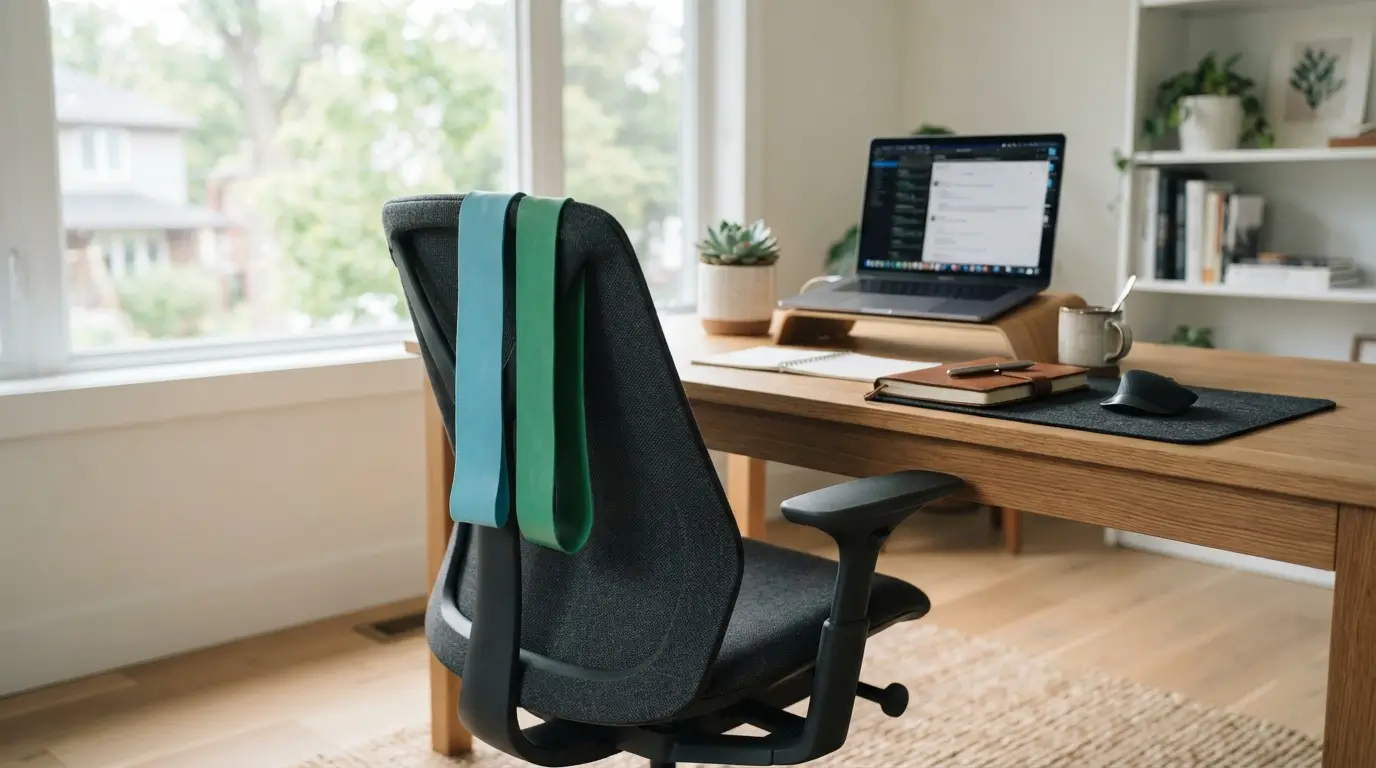
I bought a set of resistance bands off Amazon for about $12 two years ago. They still work perfectly fine. You can do rows and chest presses with them. Shoulder raises and bicep curls are easy too. You can even work your legs. I keep mine hanging on my desk chair so I see them all day long.
Also Read: Best Fitness Plans for Shy Introverted Beginners 2026
What surprised me was how sore I got from band workouts at first. People really underestimate these little strips of rubber. I follow along with free YouTube channels like Caroline Girvan and Fitness Blender. Both have specific resistance band routines that take 15 to 20 minutes. The bands fit in a drawer. They travel anywhere. They cost less than two months of most app subscriptions.
3. Desk Stretching Breaks Every 90 Minutes
This habit isn’t glamorous but it might be the most important one on this list. Every 90 minutes I stand up and do a quick 3 to 5 minute stretch sequence. I do neck rolls and hip flexor stretches. I also use the door frame for chest openers and my desk for a standing hamstring stretch.
I set a timer on my phone for this. Left to my own discipline I will absolutely sit for four hours straight without moving a muscle. The stretches cost nothing and require nothing. They have done more for my chronic neck pain than the $200 massage chair I bought and promptly returned. Remote work destroys your posture slowly. These breaks fight back against that.
4. Walking Meetings and Step Goals
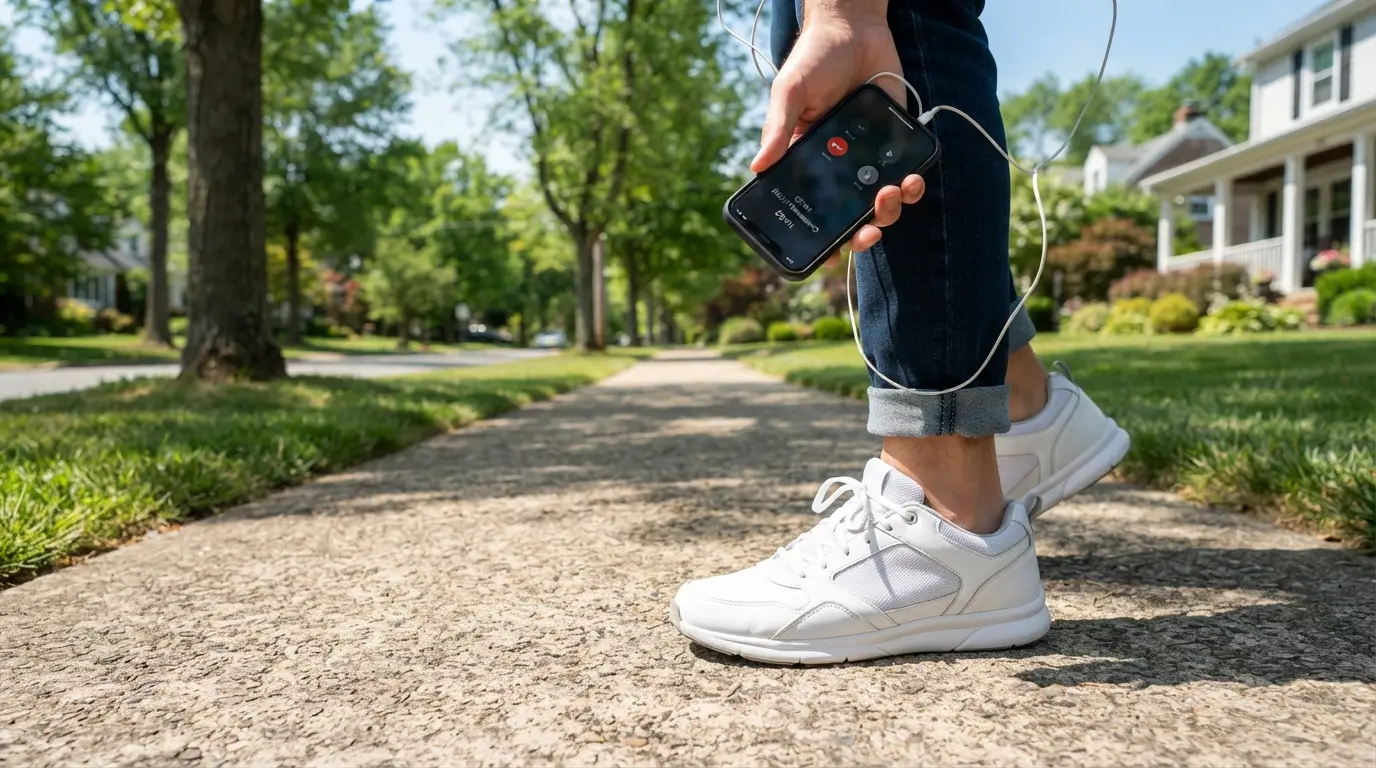
This is where budget friendly exercise routines for remote workers get a bit creative. Whenever I have a phone call or an audio-only meeting I walk. I pace around my apartment. Sometimes I go around the block or walk in the parking lot. The location really doesn’t matter. I just move.
I aim for 7,000 steps a day. That sounds modest but research from the Journal of the American Medical Association shows significant health benefits start right around that number. Before I started this habit I was hitting maybe 2,000 steps on work-from-home days. That is shockingly sedentary. A decent pair of walking shoes is the only investment here. You probably already own some. My phone tracks my steps for free so I don’t even bother with a fitness tracker.
5. YouTube Yoga for the Price of WiFi
I used to think yoga wasn’t for me. It felt too slow. It seemed too spiritual. I didn’t want to buy expensive leggings just to stretch on the floor. Then my lower back started screaming at me from 10 hours of daily chair sitting. I got desperate.
Yoga with Adriene on YouTube changed my mind completely. Her videos are free and they range from 10 to 45 minutes. She has specific flows for desk workers and back pain relief. I roll out a $15 yoga mat from Target and follow along three mornings a week.
Also Read: Beginner Friendly Fitness Programs for Limited Mobility
A towel works fine too if you don’t have a mat. The flexibility gains alone have been worth the effort. The mental clarity I get right before a workday is the real bonus though. My stress levels genuinely dropped after the first two weeks.
6. The Gallon Jug Home Gym
Hear me out before you laugh at this one. Two gallon jugs of water weigh about 8.3 pounds each. Fill them up and you have a pair of dumbbells that cost absolutely nothing. I used these for overhead presses and goblet squats. I did lateral raises and weighted lunges with them for months before I finally upgraded.
They are awkward to grip. That actually works your forearms harder though. I have also used heavy books for arm work. A loaded backpack works great for weighted squats. Canned goods are perfect for light resistance. The point here isn’t that these items replace a proper weight set forever. The point is they completely remove the excuse of not being able to afford equipment. You can start building strength today with stuff already sitting in your kitchen.
7. Staircase Cardio That Beats Any Treadmill
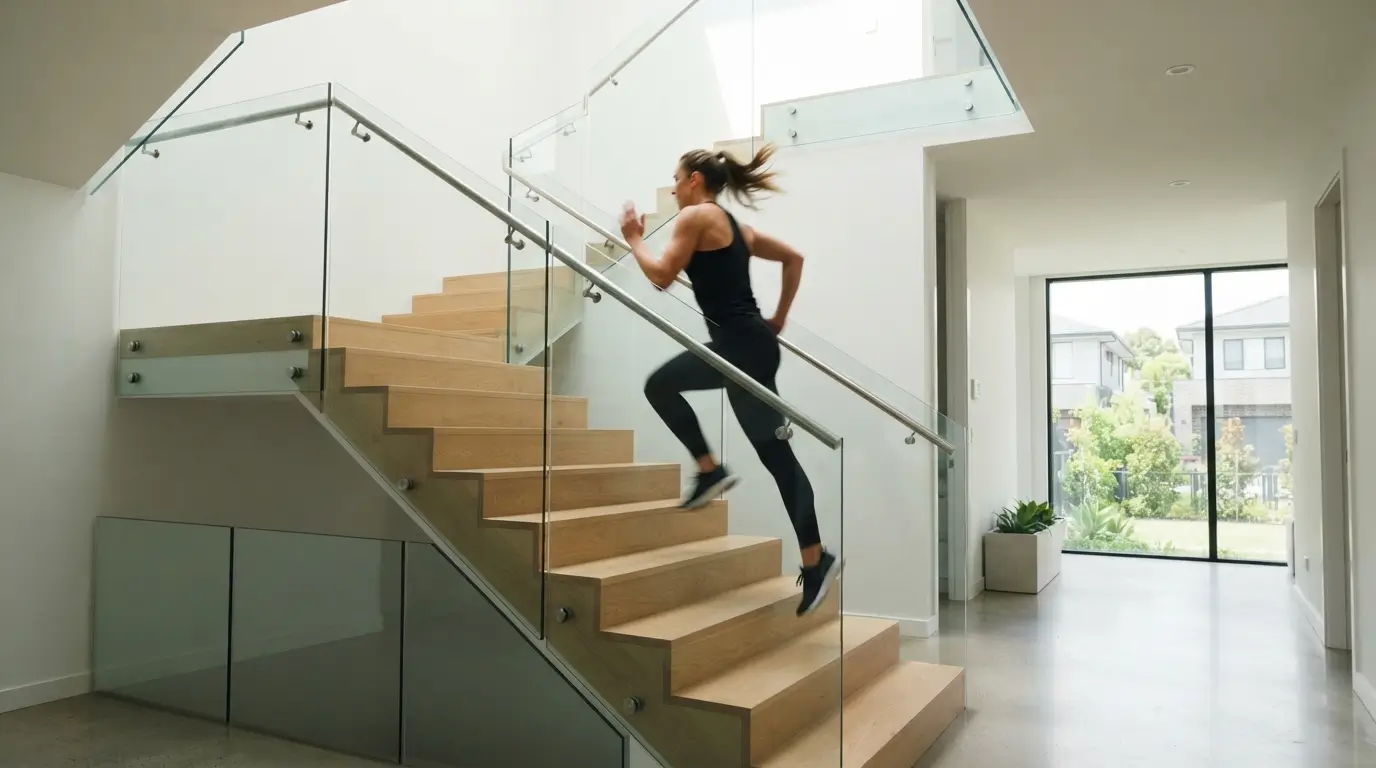
If you have stairs in your home or apartment building you have a free cardio machine. I do 10 minutes of stair climbing during my lunch break. I go up and down at a pace that gets my heart rate up without making me a sweaty mess before my afternoon calls.
Stair climbing burns roughly 500 to 700 calories per hour according to Harvard Health. That is more than jogging at a moderate pace. I started with just 5 minutes because my legs burned like crazy. Now I do intervals. I go fast for 30 seconds and then return to a normal pace for 30 seconds before repeating.
It is brutal and effective. You don’t need a gym membership or a treadmill taking up half your apartment. There are no monthly fees involved. You just need stairs and a little willpower.
8. Free Fitness Apps That Actually Deliver
A lot of fitness apps want $15 to $20 a month. That adds up fast. Several solid ones offer genuinely useful free tiers though. Nike Training Club gives you full workout programs at no cost. The FitOn app has guided workouts across every category you can think of. The Seven app gives you quick 7-minute routines based on scientific research from the Human Performance Institute.
I rotate between these three depending on my mood. Some days I want a 20-minute HIIT session from FitOn. Other days I just need a quick Seven workout squeezed between meetings. The key is having options that don’t require your credit card. I have tried at least a dozen apps over the past two years. These three consistently deliver without pushing you toward a paywall every five seconds.
9. The Pomodoro Fitness Hack
You might know the Pomodoro Technique as a productivity method. You work for 25 minutes and then take a 5-minute break. I turned those short breaks into micro-workouts. During each break I pick one exercise. I might do ten squats. Sometimes I hold a 60-second plank. Other times I do twenty jumping jacks or a wall sit until my legs shake.
Over an 8-hour workday with proper Pomodoro cycles that adds up to roughly 12 to 15 micro-sessions. The cumulative effect is very real. I burn more calories and stay much more alert. My afternoon slump basically disappeared entirely. This is one of those budget friendly exercise routines for remote workers that costs zero dollars. It actually makes you more productive at your job too. It is a double win.
10. Weekend Outdoor Workouts for Free
On Saturday mornings I head to a local park for a full bodyweight workout outdoors. I do pull-ups on the monkey bars and step-ups on a bench. I run sprints across the open field and finish with dips on a picnic table. Most public parks have some kind of structure you can use for this.
The fresh air and sunlight add something a living room workout just can’t replicate. You get vitamin D production and a better mood. It also provides a much needed change of scenery after five days of staring at the same walls. Some cities even have free outdoor fitness stations installed specifically for public use.
They usually have pull-up bars and parallel bars. Check your local parks department website. You might be surprised by what is available within a 10-minute drive of your house.
Also Read: Best Workout Plans for College Students 2026

Frequently Asked Questions
How much should remote workers exercise each day?
The CDC recommends 150 minutes of moderate activity per week. That breaks down to about 30 minutes on five days. Honestly even 10 to 15 minutes daily makes a noticeable difference when you are starting from zero. I began with very short sessions and built up gradually. Consistency beats intensity every single time. This is especially true when you are fitting workouts around a full work schedule.
What are the best budget friendly exercise routines for remote workers with no equipment?
Bodyweight circuits and yoga are completely free. Stair climbing and walking cost nothing too. Basic moves like push-ups and squats cover your major muscle groups without any gear. Add lunges and planks to hit everything else.
I went my first three months using nothing but my own body weight and a pair of water jugs. You can build real strength and cardio fitness without spending a single dollar on equipment. You just have to stay consistent with the basics.
Can short workouts throughout the day replace a full gym session?
Yes they can. Research backs this up too. A 2022 study in the British Journal of Sports Medicine found that accumulating exercise in short bouts throughout the day provides similar cardiovascular and metabolic benefits to one continuous session. I personally get better results from scattered mini-workouts simply because I actually do them.
A perfect 60-minute gym plan means absolutely nothing if you skip it three times a week.
How do I stay motivated to exercise while working from home?
Accountability helps more than motivation. I tell a friend my weekly workout plan and that social pressure keeps me honest. I also lay out my workout clothes the night before. I schedule my sessions on my calendar like real meetings.
The visual cue of seeing exercise on my schedule makes me treat it as non-negotiable. Motivation will fade on you. Systems and habits are what carry you through.
Is it worth buying any home fitness equipment on a budget?
A set of resistance bands and a yoga mat give you the most versatility for the least money. Bands cost $10 to $15 and a mat runs $15 to $20. Those two purchases open up hundreds of workout variations. A jump rope is excellent for cardio if you want to add a third item for around $8.
I would not spend more than $50 total when starting out. You can always upgrade later once you figure out which types of exercise you actually enjoy and will stick with long term.
Conclusion
Building a solid fitness habit while working from home does not require a garage gym or a premium subscription. Everything I use daily either cost me under $15 or cost me absolutely nothing. My energy is better now. My posture has improved.
My mood is better than when I had an expensive gym membership I barely used. What is the one routine from this list you think you could start tomorrow?