Finding the top exercise programs for stay at home parents feels impossible when your day is a constant loop of snack requests and diaper blowouts while a toddler treats your yoga mat like a slip-and-slide. I’ve been there. I spent two years testing workouts between nap times and after bedtime. Most of them failed miserably. A handful actually worked. These are the ones that survived real life with small kids underfoot.
1. Peloton App (No Bike Needed)
Most people hear Peloton and picture a $1,400 bike gathering dust in a spare bedroom. The app is a completely different animal. For about $13 a month you get thousands of classes ranging from strength training to yoga and outdoor walking audio guides. I started using it during my youngest morning nap. Those ten and twenty minute classes saved my sanity. You can filter by time, equipment, and difficulty level. The instructors feel like actual humans rather than infomercial personalities.
Also Read: Best Workout Plans for College Students 2026
Adrian Williams is my personal favorite for strength days. He pushes you hard without making you feel like you need a medic standing by. Tons of classes require zero equipment, though having a set of dumbbells opens up more options.
2. Caroline Girvan’s EPIC Programs on YouTube
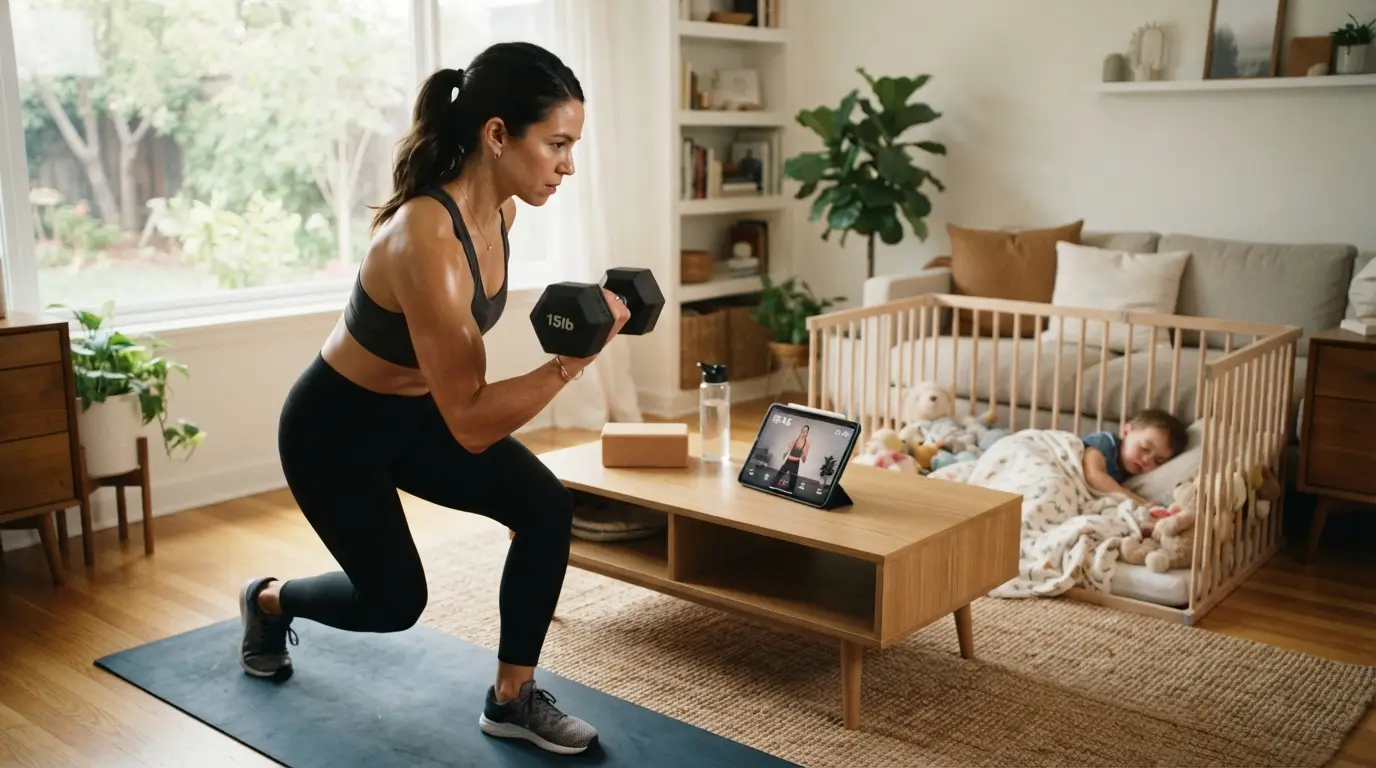
If your budget is exactly zero dollars, Caroline Girvan is your person. She offers multiple free programs on YouTube. Each one runs about ten weeks and uses structured progressive overload that rivals paid options. Her workouts are not easy. Most sessions run thirty to fifty minutes, meaning you need a solid chunk of uninterrupted time.
I did these during afternoon quiet time and occasionally hit pause to break up sibling arguments. She barely talks during the actual sets. Your kids won’t hear constant yelling from the television, which is a huge win. You’ll need dumbbells and ideally a bench, but a sturdy dining chair works fine.
3. MommaStrong
This program was built specifically for parents and you can tell. MommaStrong costs $5 a month. Every single workout is fifteen minutes or less. Founder Courtney Wyckoff designed the routines around postpartum realities and pelvic floor recovery amidst the chaos of raising small humans. I used MommaStrong right after my second baby. It was the first program that didn’t make me feel physically broken. The focus is on functional strength, core rehab, and mobility.
You won’t finish drenched in sweat, but that’s not the point here. Consistency matters more, and fifteen minutes is a commitment almost anyone can actually keep. They include a “Quickie” section for days when even fifteen minutes feels like a stretch.
4. Sydney Cummings on YouTube
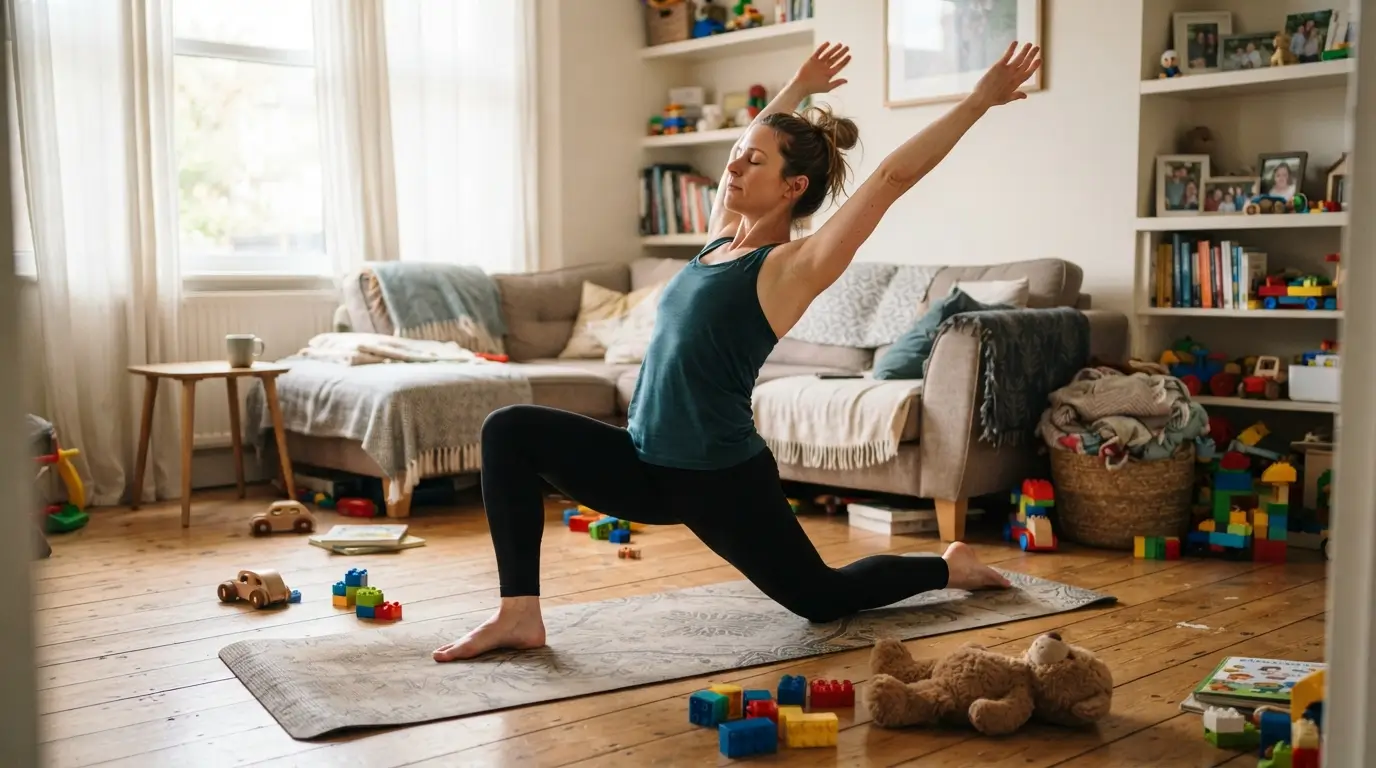
Sydney posts a new free workout every single weekday on YouTube. She has kept this schedule for years without missing a beat. Her energy is relentlessly positive. That vibe either motivates you or mildly annoys you depending on your mood. I landed somewhere in the middle. Her sessions range from twenty to forty-five minutes. She provides full monthly calendars so you never have to waste brainpower deciding what to do.
That planning piece matters a lot when your head is already maxed out from managing tiny humans all day. She uses dumbbells for most routines. The production quality is surprisingly good for a free channel. She always demonstrates modifications so you can scale up or down based on how you feel. I kept coming back to her thirty minute full-body days whenever I needed something reliable.
5. Obé Fitness
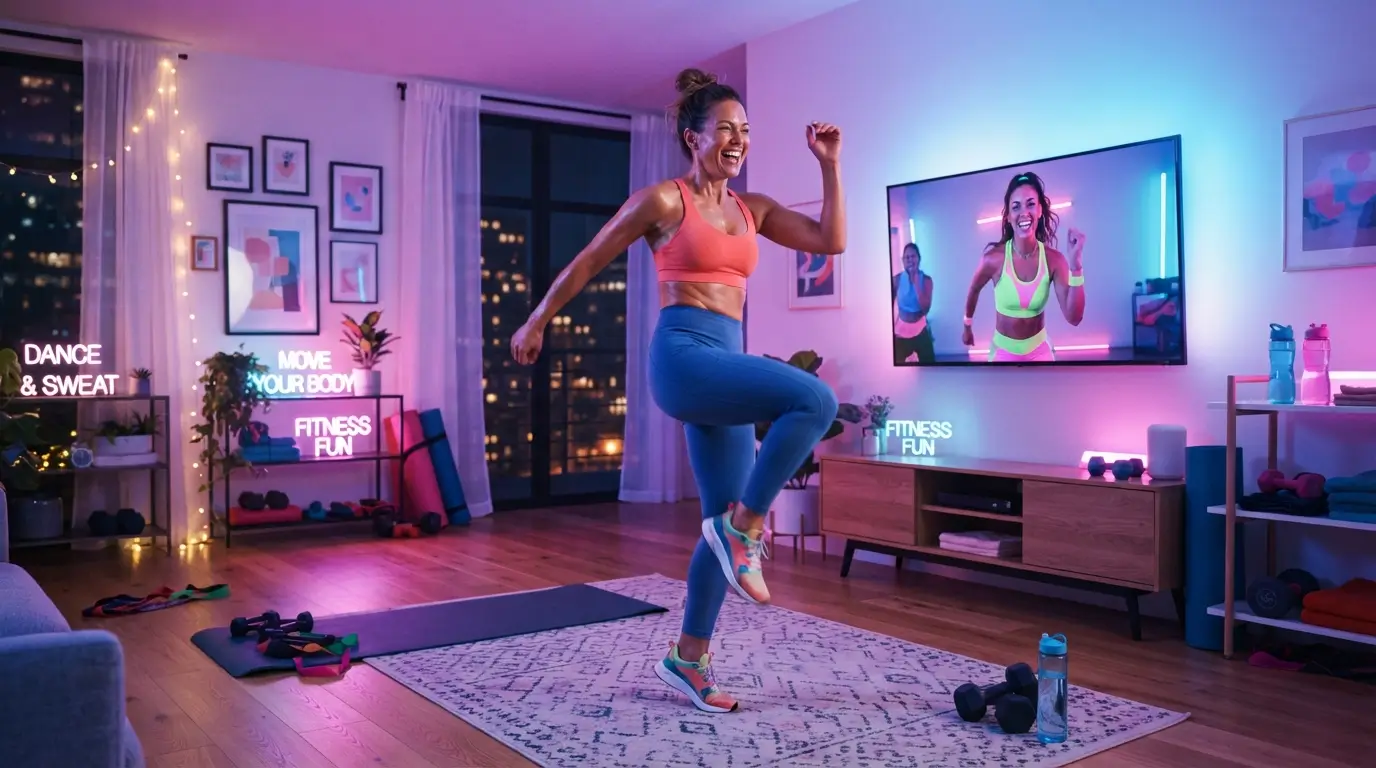
Obé feels like a mix between a boutique fitness studio and a Saturday morning cartoon. The interface is colorful and the classes are energetic. They offer live and on-demand options covering dance, strength training, barre, and yoga. A subscription runs about $25 a month. The variety makes Obé one of the top exercise programs for stay at home parents. Some days you want to rage through a high-intensity class. Other days you want slow stretching because you spent the night sleeping on the floor of your toddler’s room.
Also Read: Budget Friendly Exercise Routines for Remote Workers 2026
Obé covers both extremes and everything in between. Classes start at just ten minutes. The live schedule gave me something to look forward to during the week. It felt almost like a social event. That sounds a bit sad, but it genuinely helped my mental health during those isolating early years at home.
6. SWEAT App by Kayla Itsines
The SWEAT app has been around for years and remains one of the most polished options available. Multiple trainers run different programs inside the app. You will find gym-style lifting, bodyweight sessions, post-pregnancy routines, and yoga. It costs about $20 a month. Kelsey Wells runs the PWR at Home program, which became my go-to when I had dumbbells but zero desire to leave the house. Workouts run thirty to forty minutes and follow a weekly split so you hit different muscle groups on different days.
The app tracks your weights and progress. That tracking kept me motivated when physical results felt invisible. The subscription price adds up over time, so it’s worth grabbing during one of their frequent sales. The post-pregnancy program by Kayla Itsines is genuinely thoughtful about diastasis recti and gradual core rebuilding.
7. Fitness Blender
Fitness Blender is the quiet workhorse of home fitness. Daniel and Kelli have over six hundred free workout videos on YouTube. They also offer paid programs on their website for around $15 each as a one-time purchase. Their style is completely no-nonsense. You get clear instruction without the hype. I appreciated that they print the calorie burn estimate and difficulty rating directly on every video.
When I had exactly twenty-five minutes before school pickup, I could find the right routine in seconds. Their tone is calm and low-key. That pairs perfectly with sleeping babies in the next room. The paid programs add structure and calendars. I eventually bought them because decision fatigue is real when you’re also meal planning and remembering which kid needs new shoes.
8. DDPY (DDP Yoga)
Yes, this is the yoga program created by wrestler Diamond Dallas Page. It’s actually fantastic. DDPY combines traditional yoga positions with dynamic resistance and rehabilitation movements. The workouts are low-impact but surprisingly intense. Monthly plans start around $30. I tried DDPY during a stretch when my knees hurt too much for jumping exercises. My back also ached from carrying a twenty-five pound toddler everywhere.
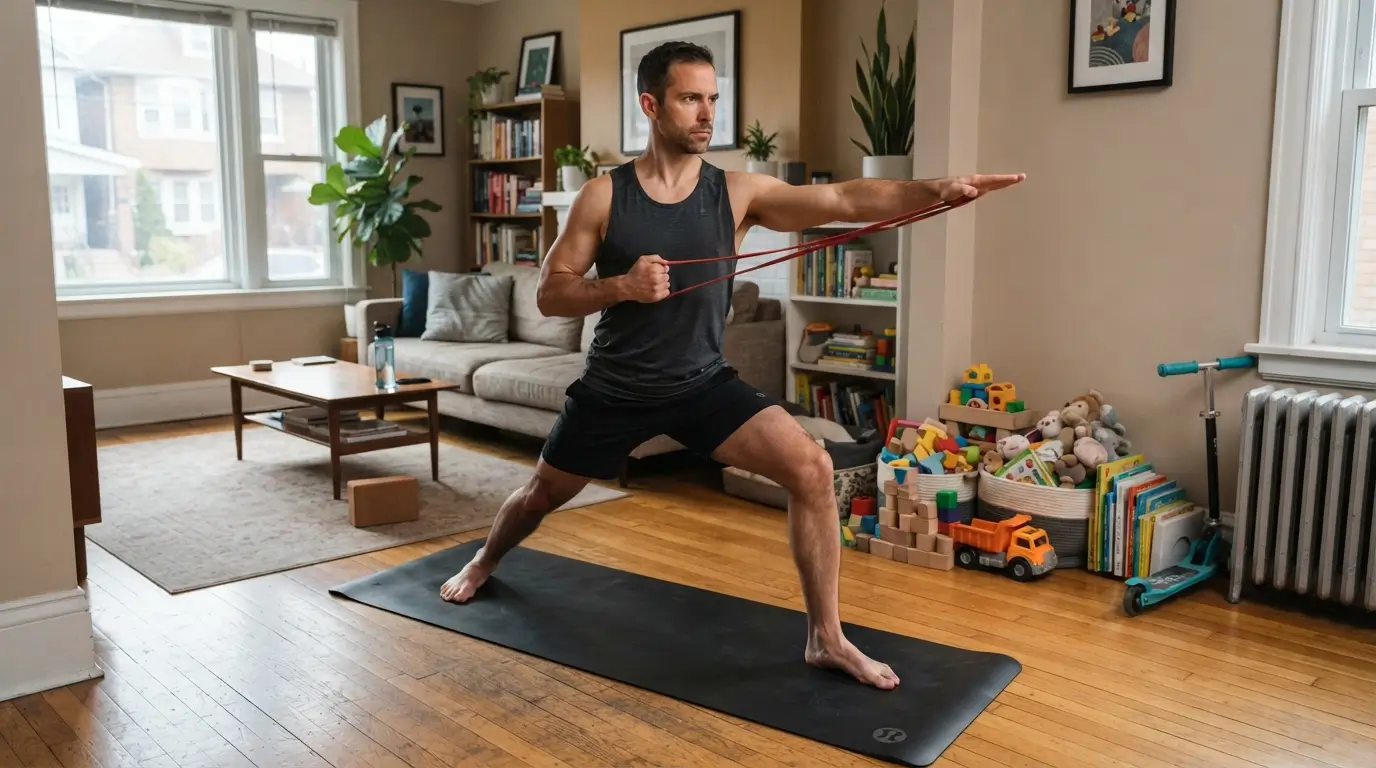
The modifications are built right into the programming, so you never feel left behind. The community aspect is strong. A private Facebook group full of real people shares progress photos daily. It works well in small spaces. That matters a lot when your living room doubles as a Lego minefield. Just push the toys aside and you’re good to go.
Also Read: Top Rated Exercise Routines for New Parents 2026
How to Choose the Right Program as a Stay at Home Parent
Picking from these options comes down to a few honest questions. How much uninterrupted time do you actually have? Some programs need forty solid minutes. Others work in ten. Be realistic about your available windows. What’s your budget? Free options like Caroline Girvan and Sydney Cummings deliver serious results without costing a dime. Paid apps like Peloton and Obé add polish and variety. Neither approach is wrong. The best program is simply the one you’ll actually do on a regular basis.
What does your body need right now? If you’re postpartum, MommaStrong and the SWEAT post-pregnancy tracks respect that recovery phase. If you want to build real strength, Caroline Girvan and PWR at Home push hard. If you need something gentle on your joints, DDPY is brilliant. Match the program to your current season of life rather than what a fitness influencer is promoting this week.
FAQs
What are the best short workouts for parents with no free time?
MommaStrong caps every session at fifteen minutes. That makes it the easiest option to squeeze into nap time or after bedtime. Peloton and Obé both offer ten minute classes across multiple formats. Sydney Cummings even has express days mixed into her schedule. The key is picking something short enough that you’ll actually press play instead of scrolling through your phone.
Do I need equipment for these exercise programs?
Several of these options need zero equipment. Peloton, Obé, and Fitness Blender all have bodyweight-only filters you can apply. For programs like Caroline Girvan or SWEAT, a pair of adjustable dumbbells will cover most of the workouts. I bought a set of Bowflex SelectTech dumbbells three years ago. They’re still the best fitness purchase I’ve made.
Which top exercise programs for stay at home parents work best postpartum?
MommaStrong was designed specifically for postpartum recovery. It focuses heavily on pelvic floor and core rehab. The SWEAT post-pregnancy program by Kayla Itsines also progresses gradually and addresses diastasis recti. You should always get clearance from your doctor or midwife first. This is especially important if you had a C-section or any complications during delivery.
Are free YouTube workout programs actually effective?
Yes, they are. Caroline Girvan and Sydney Cummings both deliver results that rival expensive subscription apps. Caroline follows real progressive overload principles in her EPIC series. The trade-off is that free programs lack built-in tracking features. You also miss out on the structured app calendars, though Caroline provides downloadable PDFs to help with that. Consistency matters far more than the price tag on any program.
Can I work out with my kids in the room?
You can, but you need to set your expectations low. Toddlers will climb on you during planks. Babies might cry right in the middle of a burpee. I learned to pick shorter workouts when my kids were awake. I saved the longer sessions for nap time or evenings. MommaStrong even acknowledges this reality in their programming. That felt incredibly validating on the rough days.
Wrapping Up
Staying active as a stay at home parent isn’t about finding the perfect program. It’s about finding one that bends around your actual life without breaking. Every option on this list survived my household chaos. At least one of them will fit yours too. Which program are you leaning toward trying first?