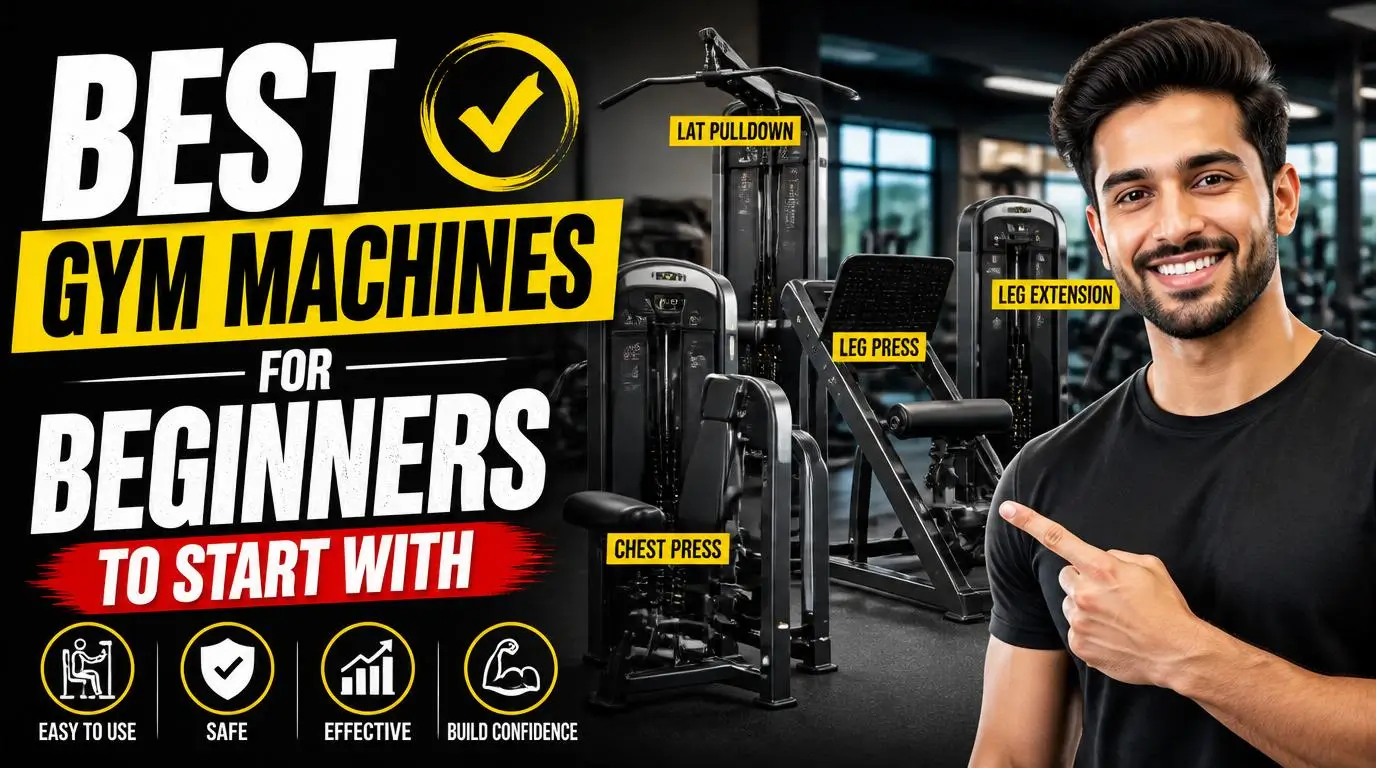
Walking into a gym for the first time feels like showing up to a party where everyone knows each other except you. I remember staring at rows of equipment completely frozen. If that sounds familiar, knowing the best gym machines for beginners to start with can change everything. The right machines remove the guesswork and protect your body. They build real confidence fast. I spent my first few months figuring this out the hard way so you don’t have to.
1. Leg Press Machine
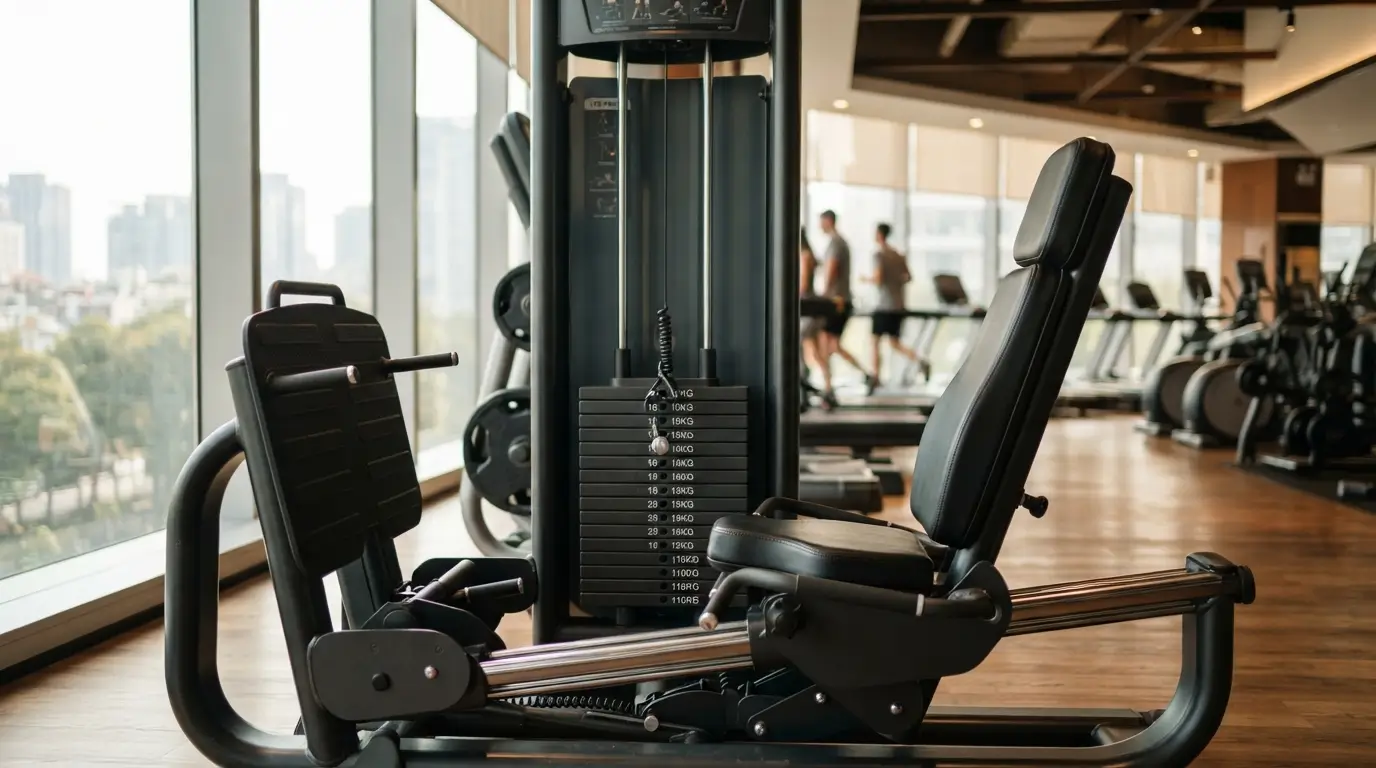
The leg press was the first machine that made me feel like I actually belonged in the gym. You sit back and plant your feet on a platform. Then you push. That’s it. There’s no balancing a barbell on your shoulders or worrying about your knees caving in.
Also Read: Best Budget Dumbbells for Home Workouts
What makes it so beginner-friendly is the built-in back support. Your spine stays locked against the pad. This means you can focus entirely on pushing through your legs. Most gyms carry either a 45-degree plate-loaded leg press or a selectorized version where you just move a pin to change the weight.
Start with the selectorized one if your gym has both. I started with just one plate and honestly felt proud of myself. Within a month I was stacking on more. It builds confidence just as much as muscle.
2. Chest Press Machine
Free-weight bench pressing looks cool. When you’re brand new though, the chest press machine is a much smarter choice. You sit upright or slightly reclined and grab the handles before pushing forward. The machine guides the movement path so you aren’t wobbling a barbell over your face.
I tried bench pressing with a barbell during my second week at the gym. It was honestly terrifying. The bar drifted to one side and I had to awkwardly roll it off my chest. Embarrassing. The chest press machine from brands like Life Fitness or Hammer Strength eliminates that risk entirely.
You still hit your chest and shoulders hard. Your triceps work too. The machine keeps you locked into a safe range of motion. Start light and focus on squeezing your chest at the top of each rep. Add weight gradually from there.
3. Lat Pulldown Machine
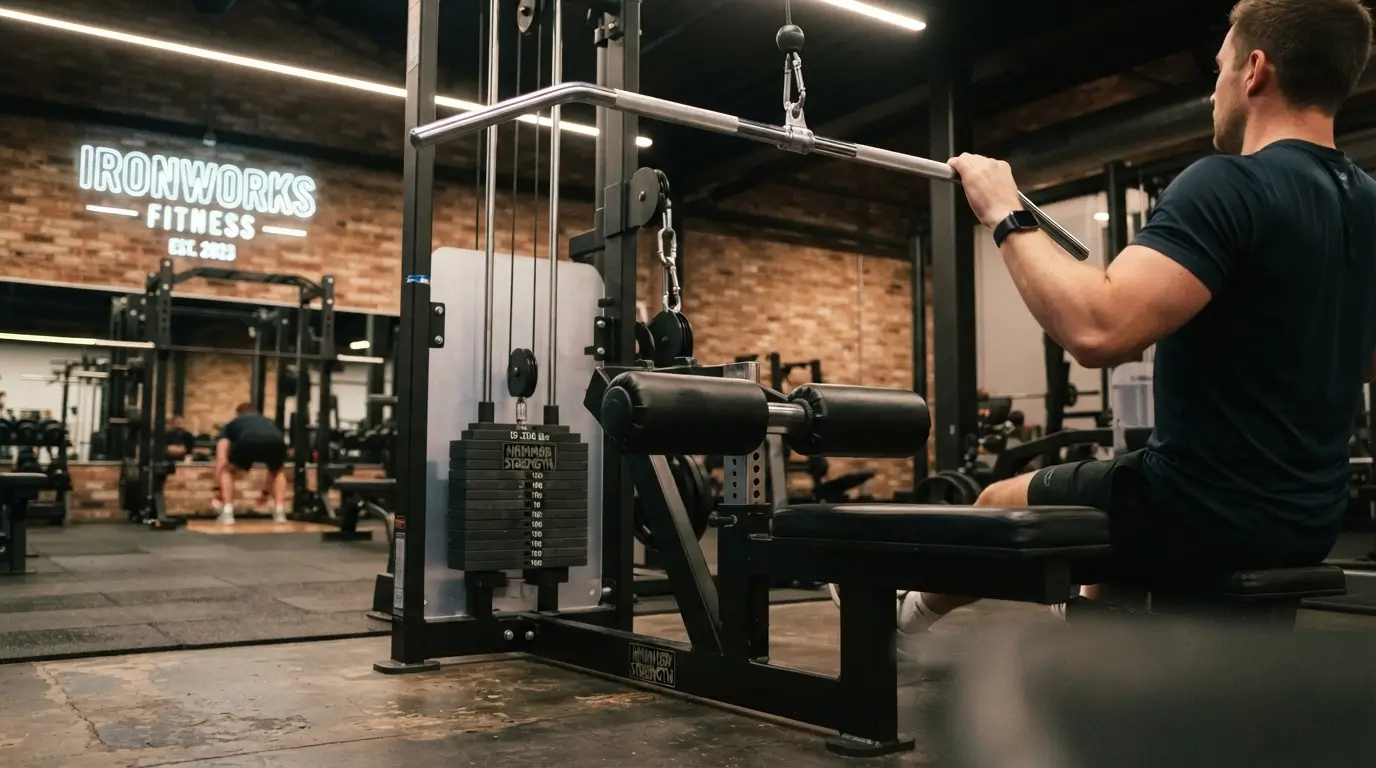
Your back is one of the biggest muscle groups in your body. The lat pulldown is the easiest way to train it without needing to do a pull-up. Spoiler alert. Most beginners cannot do a single pull-up. I know I couldn’t.
Also Read: Free Weights vs Machines for Beginners: Which Is Better
You sit down and grab the wide bar overhead. Pull it toward your upper chest. The key detail that took me weeks to figure out is simple. Lean back slightly and think about pulling with your elbows instead of your hands. When you focus on your hands your biceps take over and your back barely works.
Once I made that mental shift I actually started feeling my lats engage. My posture improved within weeks of consistent practice. The lat pulldown builds real functional strength that carries over into everyday life.
Best Gym Machines for Beginners: Cardio Edition
Strength machines get most of the attention. Cardio equipment matters too. This is especially true when you are just getting comfortable in a gym setting. The trick is picking something that doesn’t feel punishing right out of the gate.
The Treadmill
Walking on a treadmill at an incline is one of the most underrated workouts out there. You don’t need to sprint. Set it to a 3.0 speed with an 8 to 12 percent incline. You will be dripping sweat in ten minutes flat. I still do this as a warm-up before every single session.
The Stationary Bike
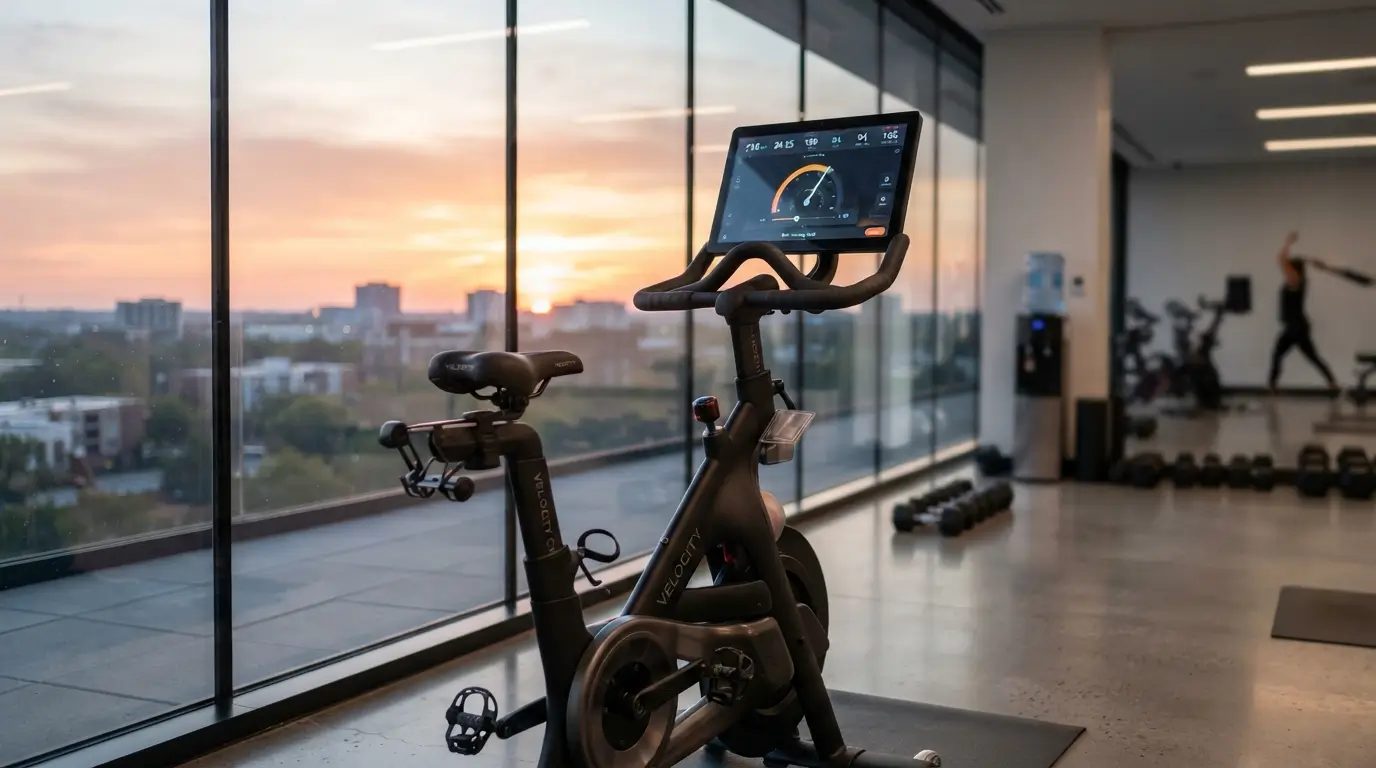
A recumbent or upright stationary bike is your best friend if your knees are cranky or you just hate running. Brands like Precor and Schwinn make bikes that feel smooth and natural. The impact on your joints is basically zero. That is exactly why physical therapists recommend cycling so often for people starting a fitness routine.
4. Seated Row Machine
Most people who sit at a desk all day have weak and rounded upper backs. The seated row machine fixes that problem. You sit facing the machine and grab the handles. Pull them toward your torso while squeezing your shoulder blades together.
This was one of the machines I gravitated toward early on because it felt intuitive. You are basically mimicking a rowing motion. The biggest mistake I see beginners make is using too much weight. They yank the handles with momentum instead of using controlled steady pulls. Go lighter than you think you need to.
I promise your muscles will still feel it. Within a few weeks I noticed I was sitting up straighter at my desk without even thinking about it. That alone made the exercise worth doing.
5. Shoulder Press Machine
Overhead pressing with dumbbells requires a lot of stabilization that beginners haven’t built yet. The shoulder press machine solves this by keeping the handles on a fixed path. You push up and bring it back down. Simple and safe.
I actually tweaked my shoulder early on trying to do dumbbell overhead presses because my form was garbage. The machine version would have saved me two full weeks of recovery. Most shoulder press machines let you adjust the seat height. Getting this right matters a lot. Your handles should start roughly at ear level.
They put unnecessary stress on your shoulder joints if set too low. You barely get any range of motion if they sit too high. Take thirty seconds to adjust the seat before your first rep. Your shoulders will thank you later.
6. Cable Machine
The cable machine might look intimidating with all its attachments and pulleys. It is actually one of the most versatile and beginner-friendly pieces of equipment in any gym. You can do bicep curls and tricep pushdowns on it. Try face pulls or cable rows too. Dozens of other exercises are possible just by changing the handle and adjusting the height.
Also Read: How to Not Feel Intimidated at the Gym: A Real Guide
What I love about cables is the constant tension. A cable pulls from whichever direction you set it. Dumbbells cannot do that since gravity dictates their resistance angle. Start with tricep pushdowns using the rope attachment. It is dead simple and feels great. You get an immediate pump from it.
Try face pulls for your rear delts and upper back once you feel comfortable. Face pulls are one of the best exercises for fixing the forward-shoulder posture that comes from hunching over a phone all day.
7. Smith Machine
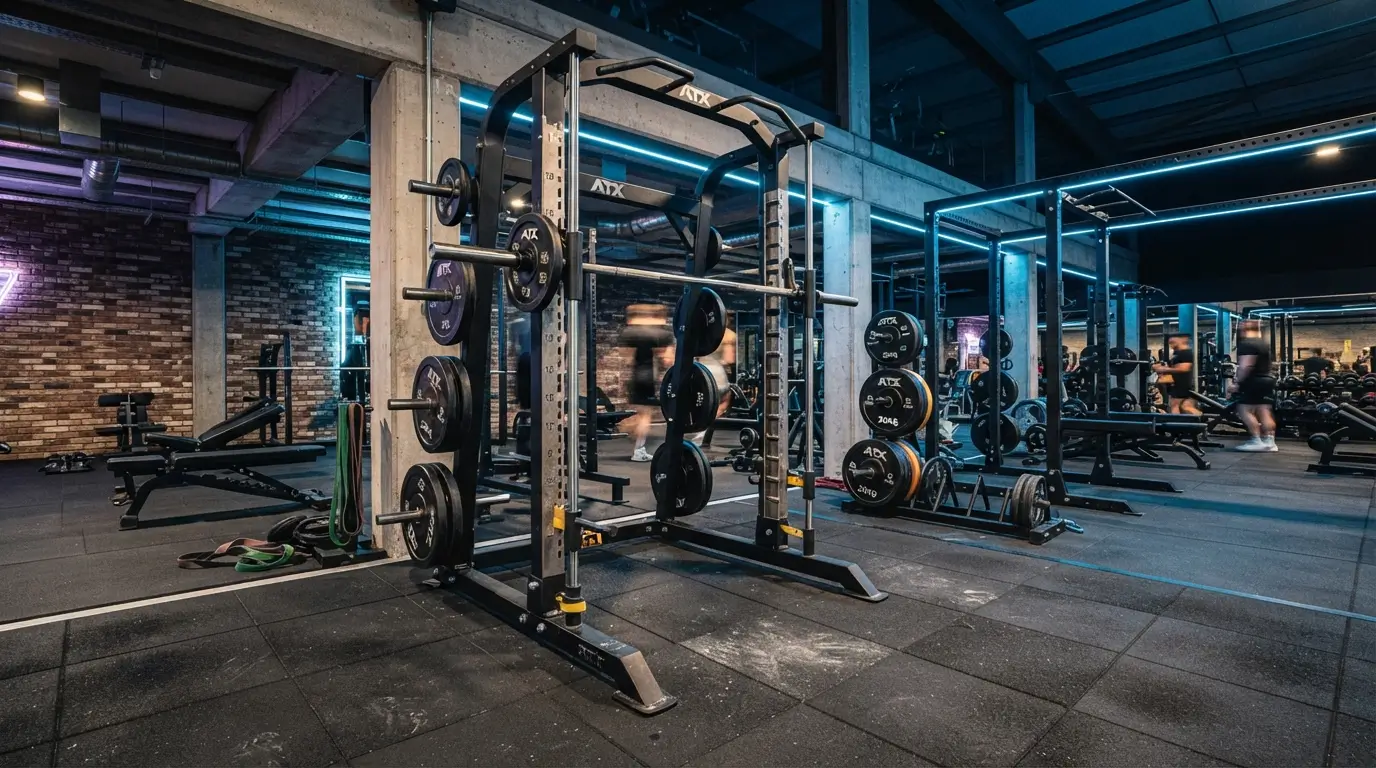
The Smith machine gets a bad reputation from experienced lifters. It is genuinely useful for beginners though. The barbell moves on a fixed vertical track. This means you can squat or bench press without needing a spotter. You never have to worry about the bar tipping over.
I used the Smith machine for squats during my entire first three months. It let me build leg strength and learn the squatting pattern before transitioning to a free barbell. The safety hooks are another huge plus.
You can set them at any height you want. If you get stuck at the bottom of a squat the bar catches on the hooks instead of pinning you down. Think of the Smith machine as training wheels. There is no shame in using them until you are ready for the real thing.
8. Leg Curl and Leg Extension Machines
These two machines usually sit right next to each other. They target opposite sides of your thigh. The leg extension works your quadriceps. The leg curl hits your hamstrings. Both are straightforward and isolate specific muscles.
Isolation machines like these are gold for beginners. They let you build a mind-muscle connection without worrying about balance or coordination. I remember doing leg curls for the first time and realizing I had almost no hamstring strength. That imbalance is incredibly common. Fixing it early prevents knee issues down the road. Start with 3 sets of 12 reps on a weight that feels challenging but manageable. These machines do not get enough credit for how well they prepare your legs for bigger compound movements later.
How to Build a Beginner Machine Workout
Knowing which machines to use is half the battle. Putting them together into an actual routine is the other half. I followed a simple full-body machine workout three times per week when I started. It worked incredibly well.
Pick 5 to 6 machines per session. Do 3 sets of 10 to 12 reps on each one. Rest about 60 to 90 seconds between those sets. A solid beginner session might include the leg press and chest press. Move on to the lat pulldown followed by the seated row.
Finish up with the shoulder press and leg curl. The whole thing takes about 40 to 45 minutes. You do not need to live in the gym. Consistency beats intensity every single time. That is especially true when you are just starting out.
Frequently Asked Questions
Which gym machine should a total beginner use first?
Start with the leg press or chest press machine. Both have simple and guided movement patterns that reduce injury risk. They also target large muscle groups. This means you will see and feel results faster. Getting a quick win in the gym builds the motivation you need to keep coming back consistently.
Are machines better than free weights for beginners?
Machines are generally safer for beginners because they control the movement path. They greatly reduce the chance of bad form. Free weights build more stabilization over time. Starting with machines just lets you build baseline strength first. Most trainers recommend transitioning to free weights gradually after a few months of consistent machine training.
How many gym machines should a beginner use per workout?
Five to six machines per session is a solid range. This lets you hit all the major muscle groups without spending two hours in the gym. Full-body machine workouts three times per week give you plenty of stimulus for growth and recovery. You can split your training into upper and lower body days as you progress.
What are the best gym machines for beginners who want to lose weight?
Combining strength machines like the leg press with cardio equipment like the treadmill creates an effective fat-loss routine. Strength training builds muscle. That process increases your resting metabolism. Cardio burns calories during the actual session. Using both methods together gives you the best results for long-term weight management.
Can I build real muscle using only machines?
Yes you can. Machines provide consistent resistance through the full range of motion. That is more than enough to stimulate muscle growth. Many bodybuilders still incorporate machines into their routines even after years of training. The key is progressive overload. This means gradually increasing the weight over time. Machines make tracking that progress incredibly easy.
Conclusion
Starting at the gym does not need to feel overwhelming. Stick to the machines on this list. Keep your form clean and add weight slowly. You will be surprised how quickly your body adapts to the work. Which machine are you planning to try first?