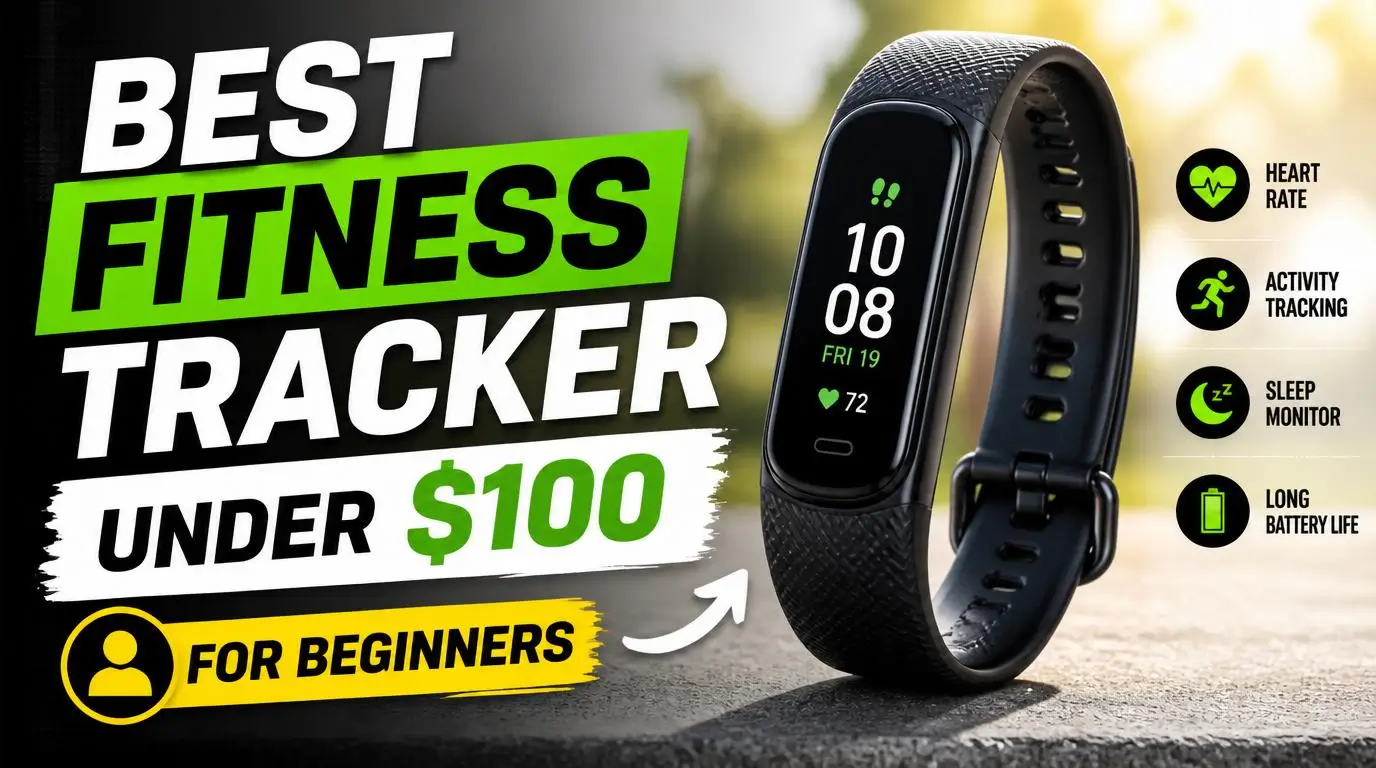
Finding a solid fitness tracker under $100 shouldn’t feel like researching a PhD thesis. But here we are. I remember standing in a Target aisle staring at boxes covered in buzzwords like “VO2 max” and “blood oxygen monitoring.” All I wanted was something to count my steps and nudge me off the couch. If that sounds familiar, this post is for you. I have worn six different budget trackers over the last two years and developed real opinions about each one.
What Actually Matters in the Best Fitness Tracker Under $100 for Beginners
Before listing specific products, let me tell you what features actually matter versus pure marketing noise. I bought my first tracker and got totally distracted by a sleep score algorithm. I completely ignored battery life. That was a rookie mistake. I ended up charging the thing every two days before eventually tossing it into a drawer.
Beginners should prioritize a few specific things. Comfort matters more than anything else because a tracker you take off is a tracker that fails. Battery life needs to hit at least five days. Step counting accuracy should stay within 10% of your actual steps since some cheap ones wildly overcount. Heart rate monitoring is nice to have but does not need to be medical-grade. You also want an intuitive app experience because you will check it every single morning.
Also Read: Foolproof Workout Plans for Indecisive Beginners
Ignore features like ECG or skin temperature sensing at this price point. Built-in GPS falls into this category too. These features are either unreliable in budget models or they drain the battery so fast that you will regret buying the device. Focus on the basics. You can always upgrade later once you figure out what your actual fitness routine looks like.
1. Xiaomi Mi Band 9
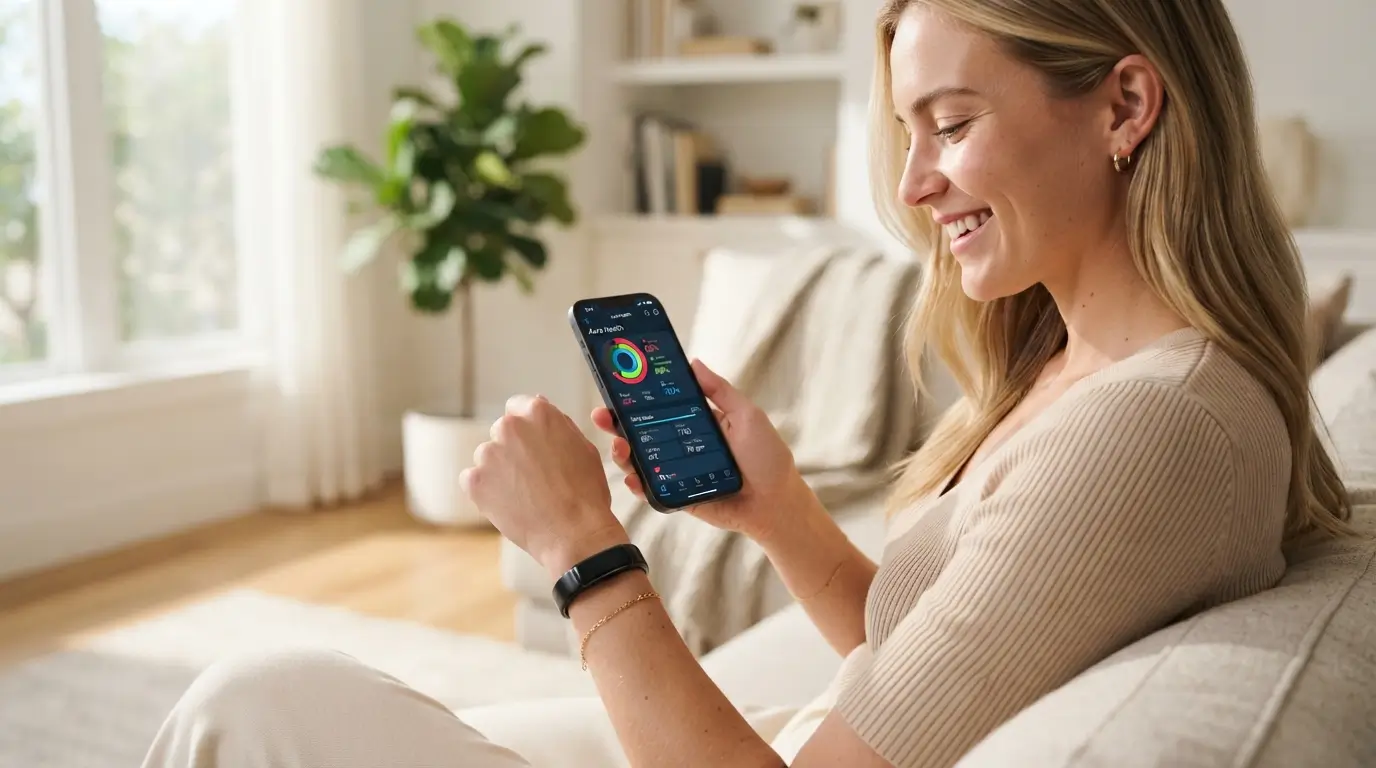
I recommend this tracker to literally everyone who asks me. Xiaomi has been making budget fitness bands for years and the Mi Band 9 is their most polished version yet. It retails for around $35 to $40. That price leaves serious room in your budget for other gear.
The AMOLED screen is bright enough to read outdoors. Battery life comfortably lasts 14 to 18 days with normal use. Step tracking is surprisingly accurate too. I wore it alongside a Garmin for a week and the counts stayed within 5% of each other. The Mi Fitness app is clean and simple. It is perfect for someone who doesn’t want to interpret charts that look like stock market graphs. Notification handling feels clunky and replying to texts from the wrist is not great. For pure fitness tracking at this price though, nothing else comes close.
2. Fitbit Inspire 3
Fitbit basically invented the mainstream fitness tracker. The Inspire 3 is their entry-level option priced around $80 to $100. If you want the most user-friendly app experience in the budget category, this is the one to get. The Fitbit app is genuinely enjoyable to use. It offers clear daily dashboards and community challenges that actually motivate you to move.
The tracker itself is lightweight and slim. I forgot I was wearing it most days. That is exactly what you want from a device like this. Battery life runs about 10 days. Sleep tracking is among the best I have tested at any price point. It breaks your sleep into stages and gives you a simple score each morning.
There is a catch. Fitbit now requires a Google account and some features sit behind a Fitbit Premium paywall at $9.99 per month. The free tier is still solid for beginners. It is just worth knowing the full experience costs extra. From a hardware perspective the Inspire 3 is a genuinely reliable pick.
3. Amazfit Band 7
Amazfit flies under the radar compared to Fitbit and Xiaomi. The Band 7 delivers a lot for its $50 price tag. It has a large 1.47-inch display that makes it easy to read stats at a glance. The always-on display option is something most budget trackers skip entirely.
I wore the Band 7 during a month of daily walks and weekend hikes. Heart rate tracking stayed consistent. The Zepp app provided enough data to keep things interesting without drowning me in metrics. It tracks over 120 sport modes. That number sounds excessive but it means your specific activity is probably covered whether you do yoga, rowing, or even cricket.
Battery life is around 18 days. The trade-off is that the build quality feels slightly more plasticky than the Xiaomi or Fitbit options. The vibration motor is also weak. I missed a few notifications because the buzz on my wrist was barely noticeable. For pure value the Amazfit Band 7 is hard to beat.
Also Read: Is a Foam Roller Worth Buying for Recovery 2026
4. Samsung Galaxy Fit3
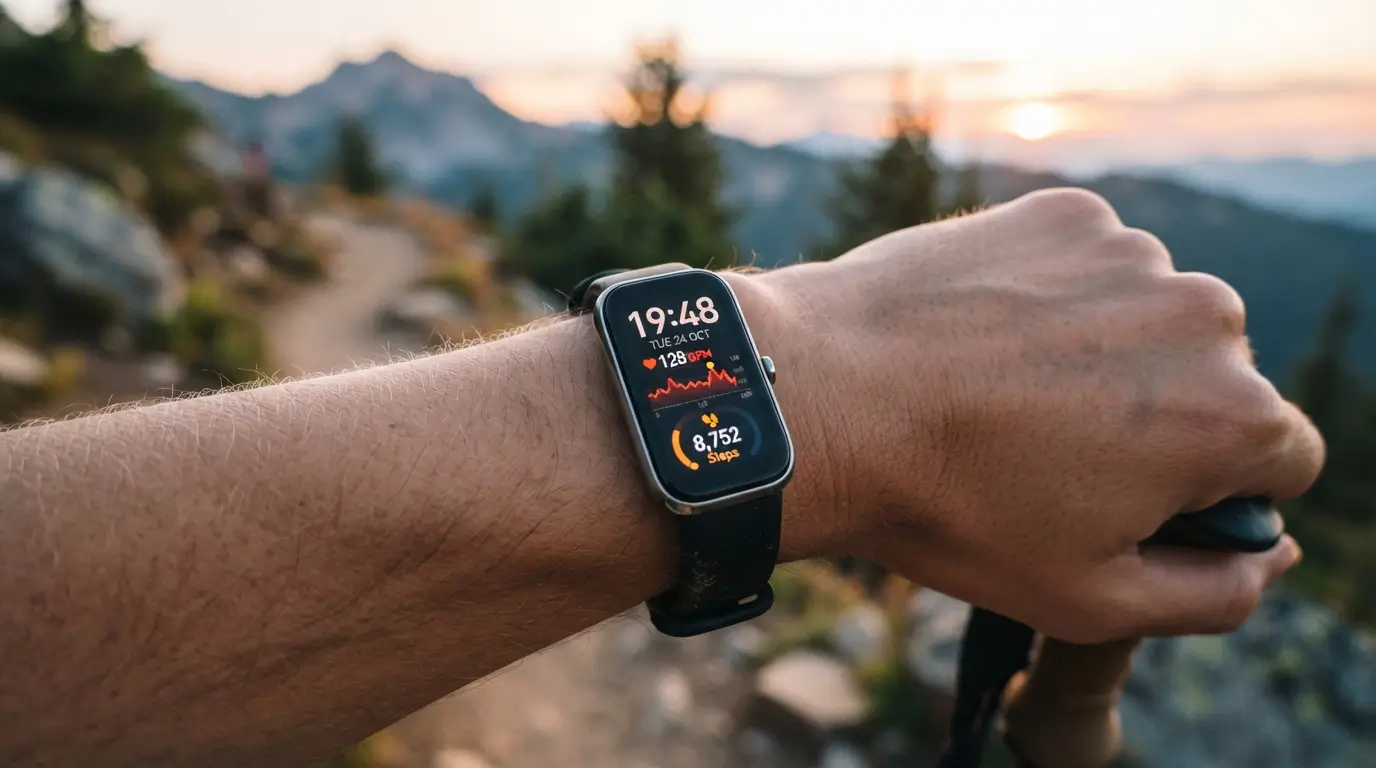
Samsung entered the budget tracker race with the Galaxy Fit3 and it immediately became one of my favorites. Priced around $60, it offers a large rectangular display with an aluminum body that feels premium. It also features tight integration with Samsung Health if you already own a Galaxy phone.
What surprised me most was the water resistance rating of 5ATM plus IP68. I wore it in the pool without a second thought. Sleep tracking was solid. The auto-workout detection actually worked too. It noticed when I started jogging without me pressing anything. Battery life sits around 13 days.
The downside is that some features work best with Samsung phones. If you are an iPhone user the experience is more limited. The Samsung Health app on iOS does not offer the full suite of features you get on Android. If you are in the Samsung ecosystem already this is an easy choice. If not, consider the other options first.
5. Garmin Vivosmart 5
The Garmin Vivosmart 5 sits right at the $100 mark. It is the most serious fitness option on this list. Garmin has a well-earned reputation in the fitness world and even their budget tracker benefits from that expertise. The Vivosmart 5 focuses on accuracy above all else. I noticed the difference immediately.
Step counts felt more reliable compared to cheaper alternatives. Heart rate zones and stress tracking were just as accurate. The Body Battery feature estimates your energy level throughout the day. It genuinely helped me decide whether to push through an evening workout or just rest. It sounds gimmicky at first. After a week of using it I found the feature surprisingly useful.
The screen is a simple OLED that is not as vibrant as the Xiaomi or Samsung options. The design is pretty plain and almost clinical looking. Garmin Connect is their companion app. It is powerful but can feel overwhelming for true beginners because it packs in a lot of data. Battery life is about 7 days. That is the shortest on this list. If accuracy and long-term fitness growth matter to you, the Vivosmart 5 is worth the money.
6. Huawei Band 9
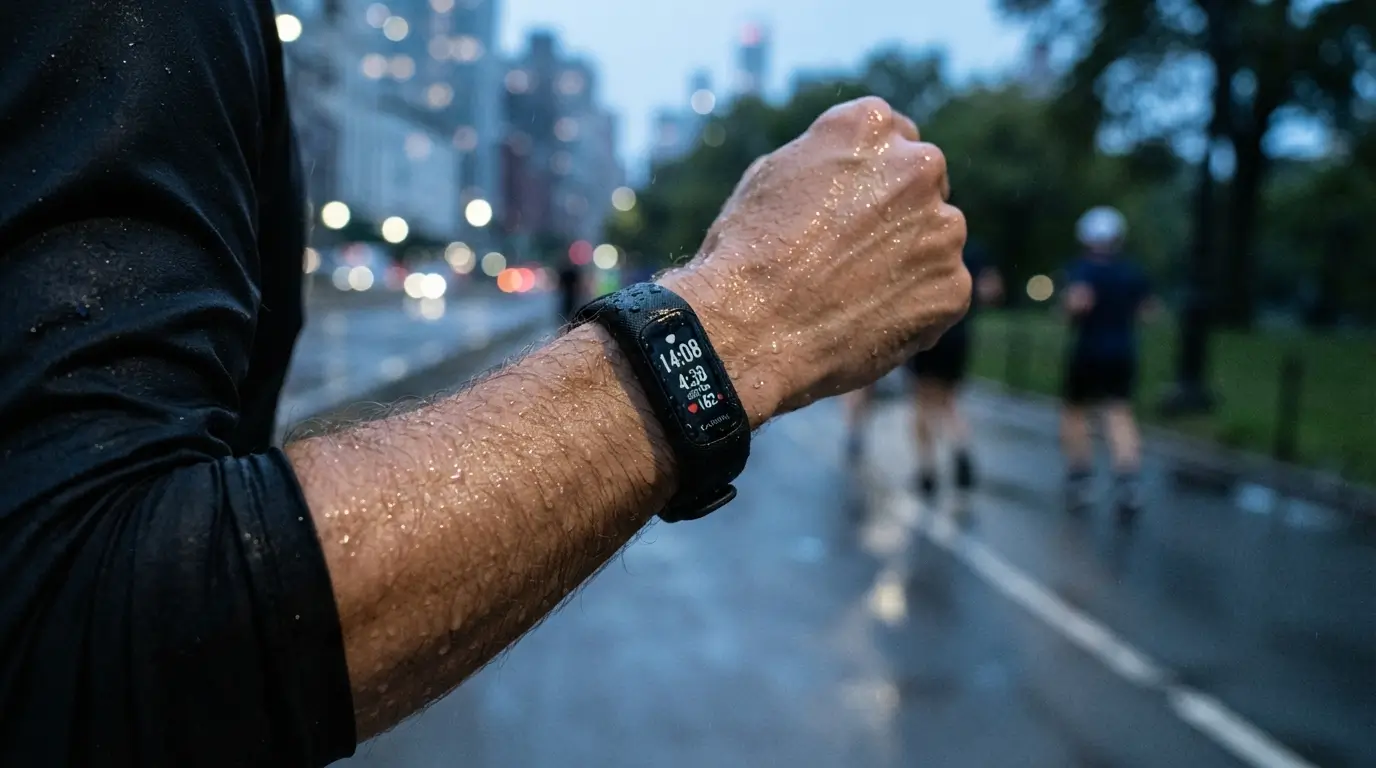
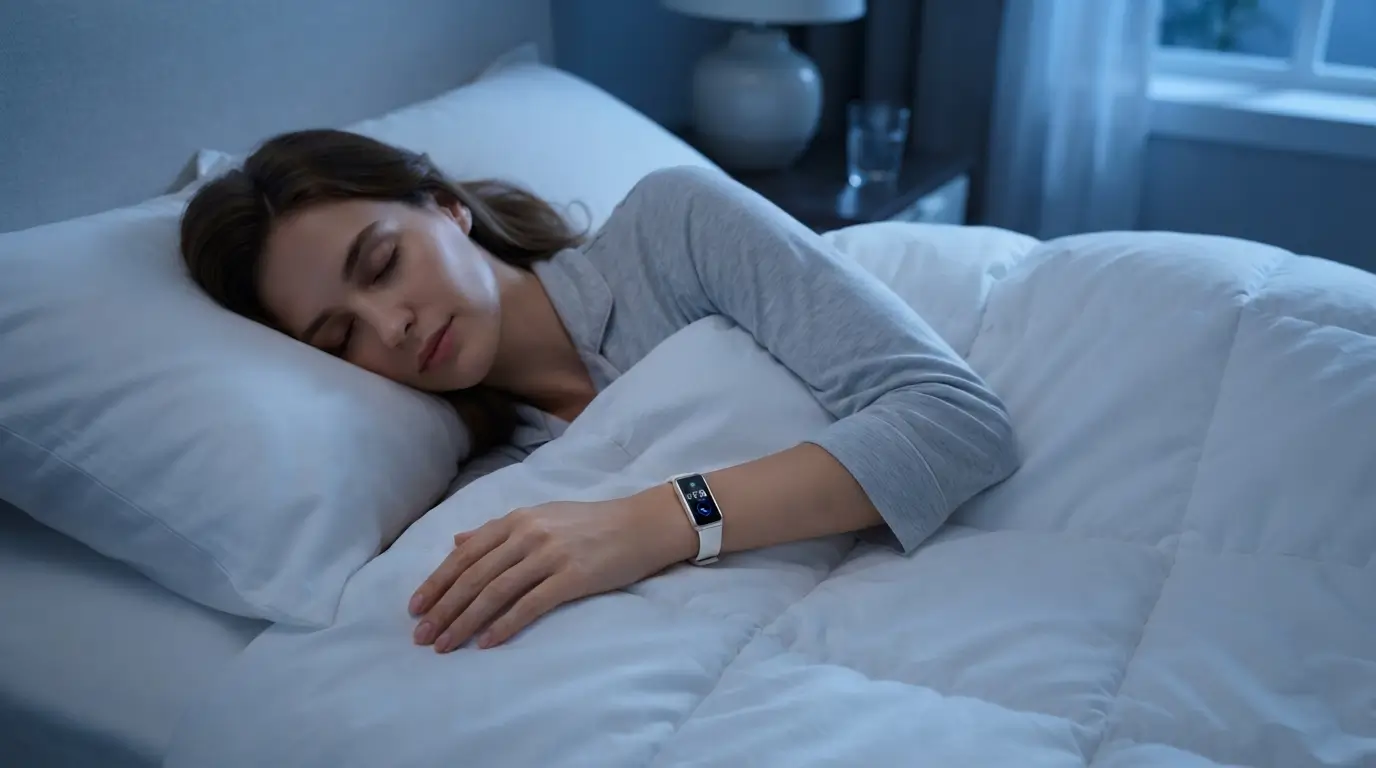
Huawei Band 9 costs around $55 and deserves a spot here for one simple reason. Comfort. It weighs just 14 grams without the strap. That makes it the lightest tracker I have tested. During sleep I completely forgot it existed. This made my sleep tracking data way more consistent because I never felt tempted to take it off at night.
The TruSleep algorithm tracks your sleep stages with solid accuracy. The TruSeen heart rate sensor performs well during both rest and moderate exercise. Battery life stretches to about 14 days with typical use.
Also Read: Best Running Shoes for Flat Feet Beginners
The main limitation is the app situation. Huawei Health works fine but it does not integrate with Google Fit or Apple Health as easily as competitors do. If you like keeping all your health data in one place across multiple apps, this could be annoying. As a standalone tracker the Huawei Band 9 is comfortable and affordable. It gets the job done reliably.
Which One Should You Actually Buy?
After wearing all six of these trackers, here is my honest breakdown based on what kind of beginner you are.
Get the Xiaomi Mi Band 9 if budget is your main concern. It is the best value in fitness tracking right now. The Fitbit Inspire 3 is the way to go if you want a polished app experience and do not mind spending closer to $100. Samsung Galaxy phone owners should grab the Galaxy Fit3 without hesitation. Anyone who sees themselves getting serious about fitness over the next year should invest in the Garmin Vivosmart 5. You will grow into it rather than out of it.
I will say this from personal experience. The best fitness tracker under $100 for beginners is the one you will actually wear every day. Features mean nothing if the device sits on your nightstand. Pick the one that feels right on your wrist. Make sure it looks good enough that you will not be embarrassed wearing it to dinner. Check that the battery lasts long enough so charging does not become a chore.
Frequently Asked Questions
Are budget fitness trackers accurate enough to be useful?
Yes, absolutely. None of these trackers match medical-grade devices but they do not need to. Step counts on models like the Xiaomi Mi Band 9 and Garmin Vivosmart 5 consistently land within 5 to 10% of actual counts. That level of accuracy is plenty for building habits and tracking trends. You are looking for general direction, not decimal-point precision.
Do I need a fitness tracker with GPS?
Probably not at this price. Built-in GPS in budget trackers drains batteries fast. It also tends to be less accurate than your phone GPS. Most trackers under $100 use connected GPS instead. This means they borrow your phone signal when you carry it during a walk or a run. That setup is plenty for a beginner. Save standalone GPS for a future upgrade if you get hooked on outdoor sports.
Can I swim with a fitness tracker under $100?
Several options on this list handle swimming just fine. Both the Samsung Galaxy Fit3 and Xiaomi Mi Band 9 have water resistance ratings suitable for pool swimming. Just avoid hot tubs and saunas. Heat and steam can damage the internal seals over time regardless of the official water resistance rating. Always rinse your tracker with fresh water after swimming in chlorine or salt water.
How often do budget fitness trackers need charging?
It depends on the model. The Amazfit Band 7 and Xiaomi Mi Band 9 can go two weeks or more on a single charge. The Garmin Vivosmart 5 needs charging roughly every seven days. Features like always-on display and continuous heart rate monitoring will drain your battery faster. I recommend picking one night a week to charge it overnight so you never run out of juice mid-day.
What’s the best fitness tracker under $100 for beginners who want sleep tracking?
The Fitbit Inspire 3 and Huawei Band 9 both excel at sleep tracking. Fitbit gives you a clear sleep score each morning along with stage breakdowns. This makes the data very easy to understand. Huawei uses a strong TruSleep algorithm that benefits from the Band 9 being so lightweight. You barely feel it on your wrist at night. Either one will give you genuine insight into your sleep patterns.
Conclusion
Picking a first fitness tracker does not need to be complicated. Grab one that fits your wrist and fits your budget. Make sure it comes from a brand with an app you actually enjoy opening each morning. Every option on this list will do the job well. Which one caught your eye? What is the first fitness goal you plan to track?