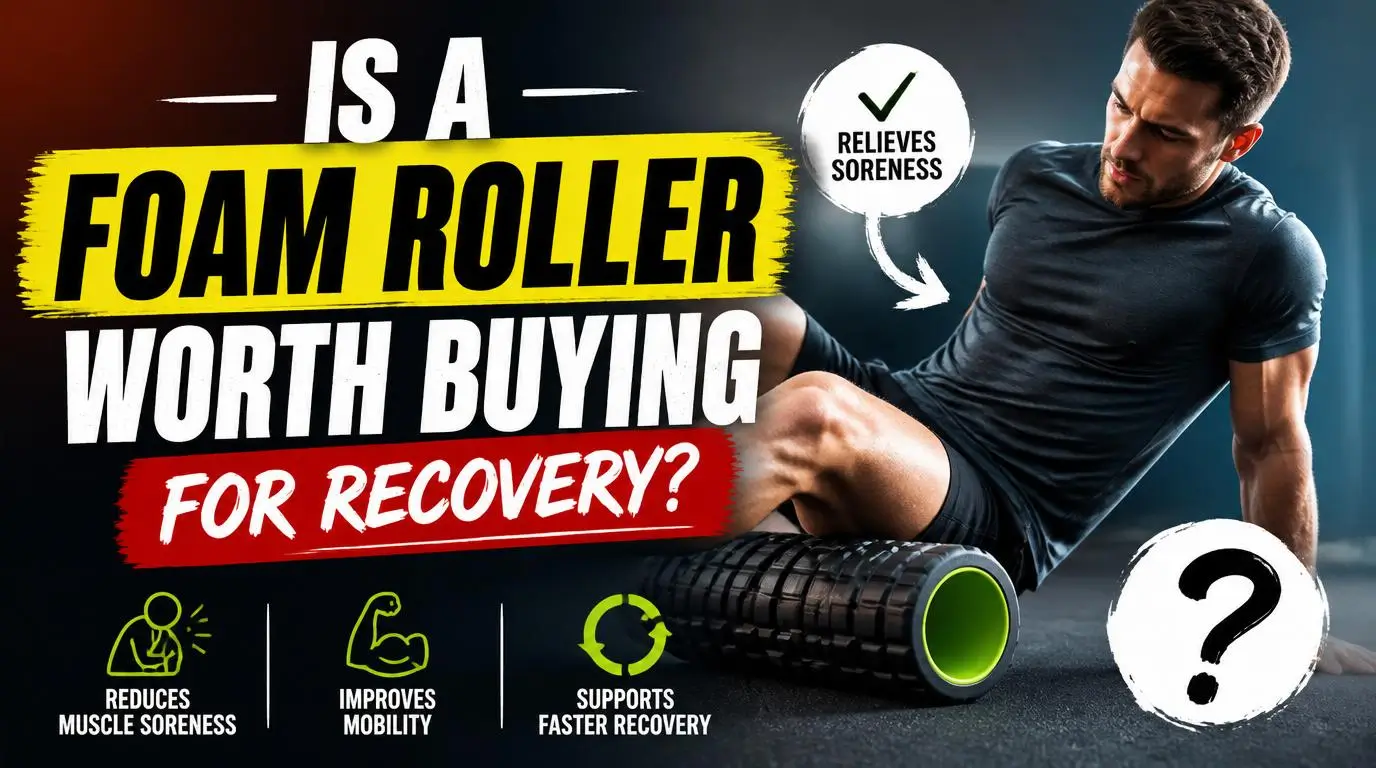
Wondering if a foam roller is actually worth buying for recovery? That is the exact right question to ask before dropping money on another fitness gadget that might just gather dust. If you’re asking Is A Foam Roller Worth Buying For Recovery?, you’re not alone. I bought my first one out of pure desperation. My legs felt so tight during half-marathon training that climbing stairs became actual punishment. Two years later I still grab it almost daily. My reasons have changed since that first week though. Here is what I have learned from using one consistently about Is A Foam Roller Worth Buying For Recovery?
Why I Bought a Foam Roller in the First Place
My calves were screaming. It was not an injury kind of pain. Just that deep and stubborn tightness that makes you walk like a robot the morning after a long run. A physical therapist friend told me to try foam rolling before dropping $150 on a sports massage.
I grabbed a basic 18-inch EVA foam roller from Amazon for about $15. I was completely skeptical. It looked like a pool noodle on steroids. I could not imagine pressing my body weight into it would actually do anything. That first session on my IT band changed my mind fast. The pressure hit spots I did not even know were locked up. Within a week my post-run stiffness dropped noticeably. I was not magically healed. I was just moving better and sleeping without that dull ache in my quads.
Also Read: Foolproof Workout Plans for Indecisive Beginners
The immediate relief surprised me the most. It was not permanent or curative. It just felt like a pressure valve had been released. That alone made the $15 gamble worth it.
What Foam Rolling Actually Does to Your Body
There is a lot of bro-science floating around about foam rolling breaking up fascia or flushing toxins. Most of that is overblown. Here is what the research and my own experience actually support.
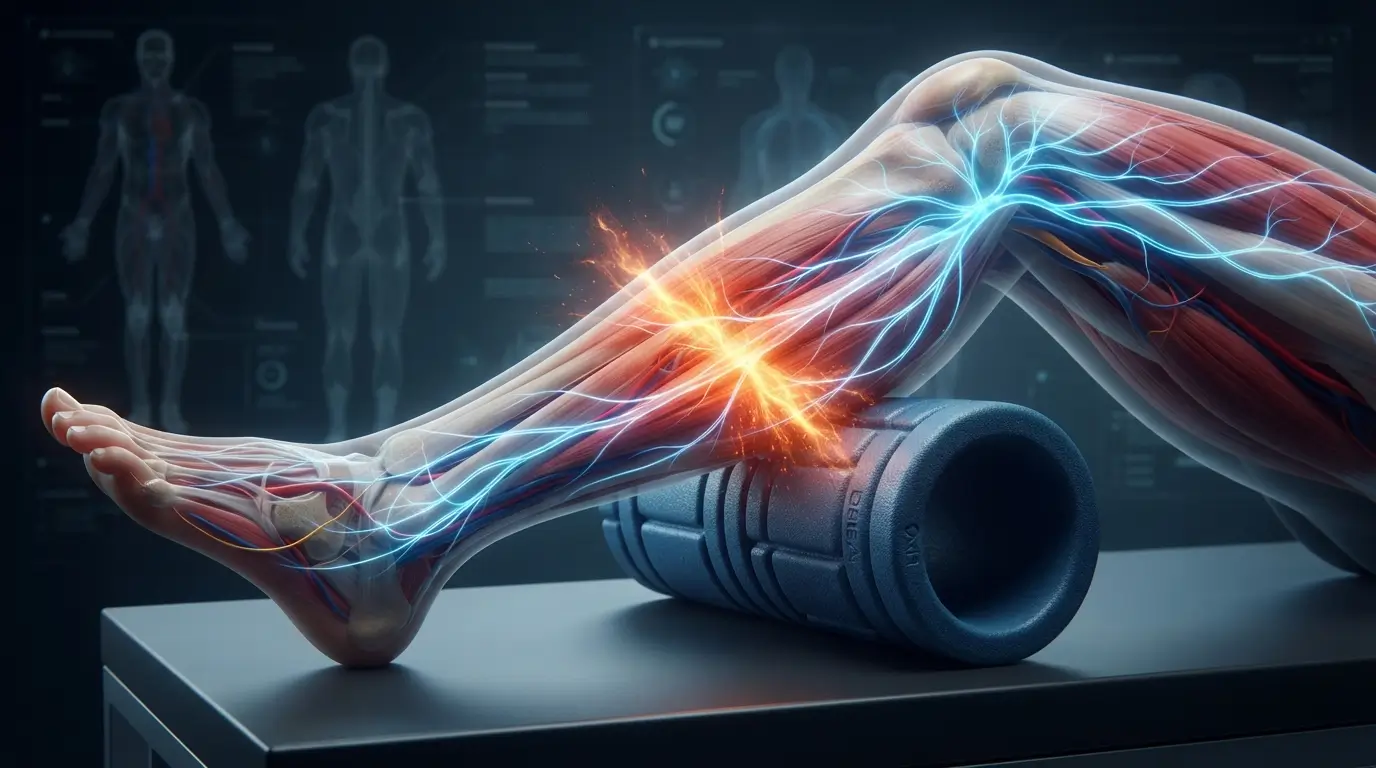
Foam rolling works primarily through neurological relaxation. When you apply sustained pressure to a tight muscle your nervous system responds by reducing the tension in that area. Think of it less like ironing out wrinkles in fabric. Think of it more like convincing your muscles to stop clenching. Studies published in the Journal of Athletic Training show that foam rolling can temporarily increase range of motion without decreasing muscle performance. That is a big deal if you are rolling before a workout.
It also increases local blood flow to the tissue you are working on. More blood flow means more oxygen and nutrients reaching sore muscles. That supports faster recovery between sessions. I noticed this most after heavy leg days. Rolling my quads for five minutes post-workout noticeably reduced that day-two soreness that usually makes me waddle around the house.
It will not replace stretching. It does not make up for poor sleep or bad hydration. You still need rest days. It is a tool. Not a miracle.
Is a Foam Roller Worth Buying for Recovery if You’re a Beginner?
I would actually argue beginners benefit the most. When you are new to training your body is not adapted to the stress yet. DOMS hits harder. Tightness builds up faster. You become much more likely to skip workouts because you just feel wrecked.
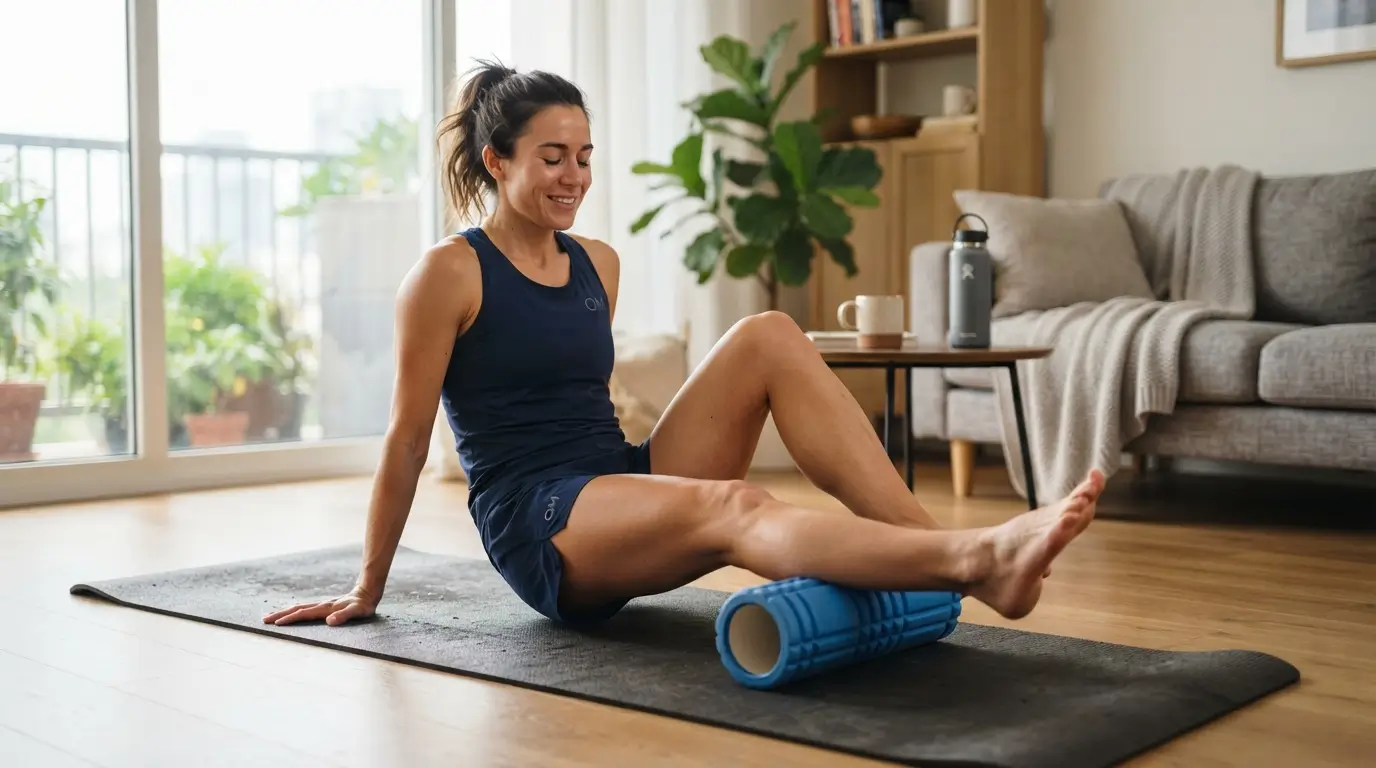
A foam roller gives beginners a simple at-home way to manage that soreness. You do not need expensive equipment or appointments. You do not need to know anatomy or have a coach standing over you. Just roll slowly over the sore area. Find a tender spot and hang out on it for 30 to 60 seconds. That is the whole technique.
I recommended foam rollers to a few friends who started lifting for the first time. Every single one told me they recovered faster between sessions. They felt less intimidated about pushing themselves in the gym because they had a way to deal with the aftermath. One friend who went from couch to gym told me it was the best $20 she spent on her fitness journey.
If you are a beginner start with a smooth medium-density roller. Skip the aggressive textured ones for now. Your muscles are not ready for that kind of pressure and it will just hurt in a bad way.
The Different Types of Foam Rollers (and Which One I Actually Use)
Not all foam rollers are created equal. The one you pick matters more than you might think.
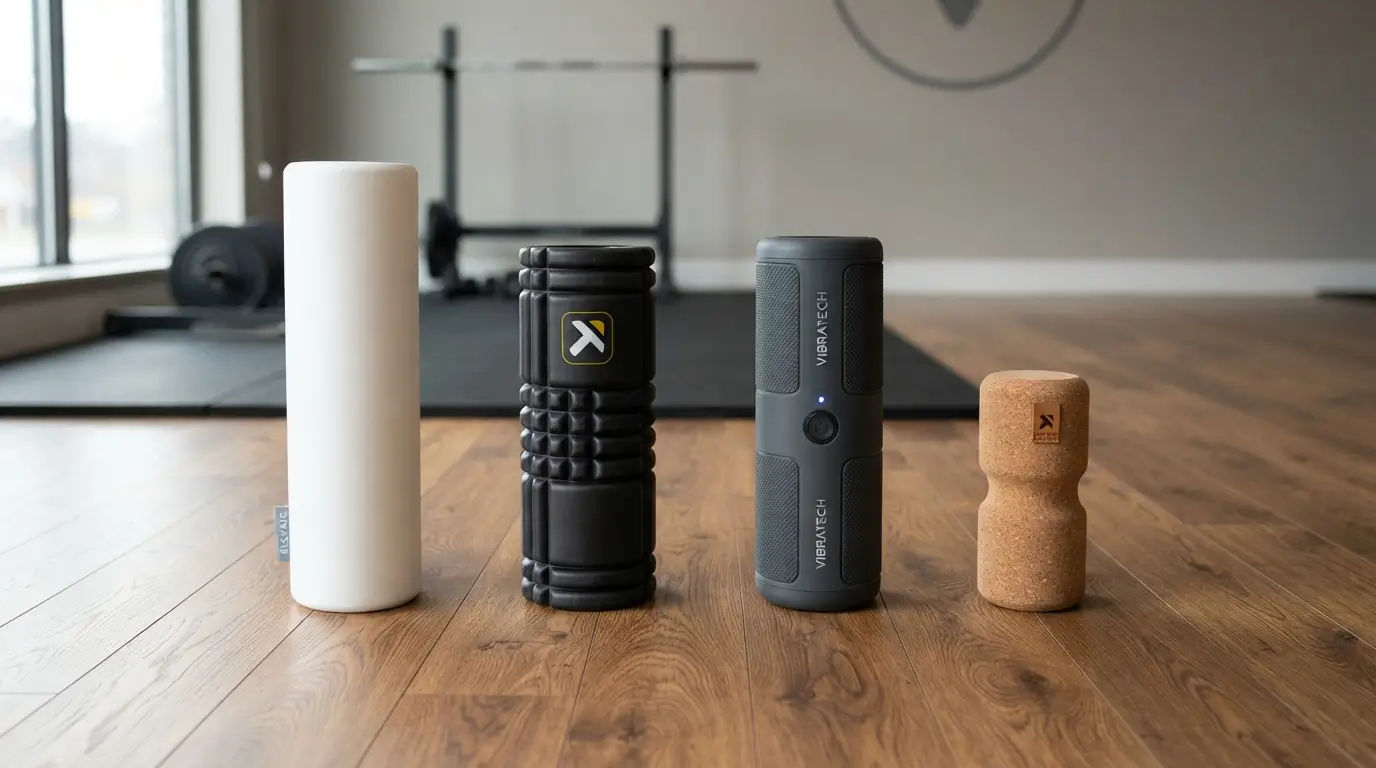
Smooth EVA Foam Rollers
These are the classic soft budget option. Brands like Yes4All and OPTP make solid ones for under $20. They work perfectly for beginners and general maintenance. The downside is they compress over time if you use them daily. You might end up replacing one every 12 to 18 months.
High-Density EPP Rollers
These are firmer and more durable. They offer deeper pressure. The TriggerPoint GRID is probably the most popular one in this category. I have been using a GRID for about 14 months now and it still feels brand new. The textured surface mimics different hand techniques. That sounds gimmicky but it actually works well on larger muscle groups like your back and quads.
Vibrating Foam Rollers
Brands like Hyperice and Theragun make vibrating rollers that add oscillation to the pressure. Are they better? Slightly. Some studies show vibration enhances the pain-reducing and blood-flow effects. Are they $150 better? For most people no. I tried a friend’s Vyper for a month. It felt like a luxury experience but the recovery difference compared to my $35 GRID was marginal.
Foam Roller Balls and Peanut Rollers
These target smaller areas like your feet or the muscles along your spine. I keep a lacrosse ball next to my foam roller for spots the roller cannot reach. The peanut shape works incredibly well for your thoracic spine. It cradles your vertebrae instead of pressing directly on them.
Also Read: Beginner Friendly Fitness Programs for Limited Mobility
My honest recommendation is to start with a mid-range textured roller like the TriggerPoint GRID and a simple lacrosse ball. That combo covers 90% of what you will ever need.
When Foam Rolling Helped Me the Most
I want to get specific here. Vague claims about better recovery do not help anyone decide whether to buy something.
After long runs I spend 10 minutes post-shower rolling my calves and IT bands. It reduced my next-day stiffness by what felt like 50%. I went from limping to the coffee maker to walking normally.
Before heavy squat sessions I roll my hip flexors for five minutes. This gives me noticeably deeper squat depth. My muscles did not get longer. My nervous system just stopped guarding those tight areas.
During work-from-home days I started rolling my upper back on a lunch break. Sitting at a desk for eight hours creates awful rounded posture. Three minutes on the roller opened my chest and thoracic spine up immediately. This had nothing to do with exercise recovery but it became one of my favorite uses.
On rest days a gentle full-body rolling session became my active recovery ritual. I go for ten minutes at low pressure. It feels almost meditative. It kept me connected to my body on days I was not training. I genuinely think it reduced the random aches I used to wake up with.
When Foam Rolling Didn’t Help (Honest Moments)
I would be lying if I said foam rolling solved everything. There were clear situations where it fell short.
Acute injuries do not respond well to rolling. I strained my hamstring during a sprint session and rolling it the next day made things worse. I felt sharp pain and noticed increased swelling. My PT later told me I was basically aggravating damaged tissue. If something feels like an actual injury and not just soreness put the roller away. Go see a professional.
Chronic tightness from structural issues also does not budge much with rolling. I have a slightly rotated pelvis from years of sitting. No amount of foam rolling fixes that. It temporarily relieves the symptoms. The root cause needs targeted strengthening and mobility work.
Also Read: Best Fitness Plans for Shy Introverted Beginners 2026
Extreme DOMS is another tricky area. When you can barely touch the muscle rolling at full pressure is counterproductive. Go lighter than you think or just wait a day. I learned this the hard way after a brutal Bulgarian split squat session.
How Foam Rolling Compares to Other Recovery Tools
You might be weighing a foam roller against a massage gun or compression boots. Maybe even regular sports massages. Here is how I see each option after trying all of them.
Massage guns are great for targeted deep work on specific knots. I own a Theragun Mini. They are faster for spot-treating a problem area. They just do not give you the broad sweeping pressure that a foam roller provides across large muscle groups. I use both because they serve different purposes.
Compression boots like NormaTec are fantastic for reducing swelling and promoting circulation in your legs. They also cost $600 or more. Unless you are a serious endurance athlete a foam roller delivers 80% of the daily recovery benefit at a fraction of the cost.
Sports massages are the gold standard for recovery. At $80 to $120 per session they are not sustainable for most people on a weekly basis. I get one monthly and use my foam roller the other 29 days. That combination has been the sweet spot for me.
For pure value nothing beats a foam roller. It is the most accessible and versatile recovery tool you can own.
Tips for Getting the Most Out of Your Foam Roller
Buying a foam roller is step one. Using it correctly is where the real benefit comes from.
Roll slowly. Most people move way too fast like they are rolling out pizza dough. Slow deliberate passes let you actually find the tight spots. Spend 30 to 60 seconds on each tender area.
Do not roll directly on joints or bones. This sounds obvious but I have seen people rolling directly over their kneecaps. Stick to the meaty muscle tissue.
Breathe through the discomfort. Your instinct will be to hold your breath and tense up when you hit a sore spot. That is the opposite of what you want. Deep steady breathing helps your nervous system relax the muscle.
Stay consistent. Five minutes daily beats 30 minutes once a week. I keep my roller next to my couch so I see it every evening. That visual cue alone keeps me on track.
Pair foam rolling with your other recovery habits. Good sleep matters more than any single tool. Eating well and programming smart rest days do too. The roller is the cherry on top. Not the whole sundae.

FAQs
How long should I foam roll after a workout?
Five to ten minutes is plenty for most people. Focus on the muscle groups you trained that day and spend about 60 seconds per area. You do not need to roll your entire body every session. I usually hit three or four spots and call it done. Overdoing it can actually leave your muscles feeling bruised and tender.
Can foam rolling replace stretching?
Not entirely. Foam rolling reduces muscle tension and increases short-term range of motion. Static stretching targets different aspects of flexibility over time. I do both. I foam roll before workouts for mobility and stretch after workouts for long-term flexibility gains. They complement each other really well when combined consistently.
Is a foam roller worth buying for recovery if I only exercise casually?
Yes. Even casual exercisers benefit. Weekend hikers and people who just walk a lot can all experience muscle tightness. A foam roller helps manage everyday stiffness from sitting or sleeping in weird positions. You do not need to be an athlete to get value out of one.
Does foam rolling actually reduce muscle soreness?
Research says yes. Modestly. A 2019 meta-analysis in Frontiers in Physiology found that foam rolling reduced perceived soreness by a small but meaningful amount. My personal experience lines up with that. It does not eliminate soreness. It just takes the edge off enough that you feel functional the next day instead of wrecked.
What’s the best foam roller for beginners?
A smooth medium-density roller in the 18 to 36 inch range works best. The AmazonBasics round foam roller or the OPTP Pro-Roller are both solid starting points under $25. Avoid extra-firm or heavily textured rollers until you have built up some tolerance. You can always upgrade later once you know what pressure level works for your body.
Should I foam roll on rest days?
I do and I recommend it. Light rolling on rest days promotes blood flow and keeps you feeling loose without adding training stress. Think of it as gentle self-maintenance. Keep the pressure low and the session short. Around five minutes is perfect. It is a great way to stay connected to your body on days you are not hitting the gym.
Conclusion
A foam roller will not fix bad programming or poor sleep. It will not help injuries that need professional attention. For $15 to $35 it is the most effective recovery tool in my apartment. I have tried plenty of more expensive options. If you have been on the fence just grab one and give it two weeks of consistent use. What recovery tool has made the biggest difference for you?