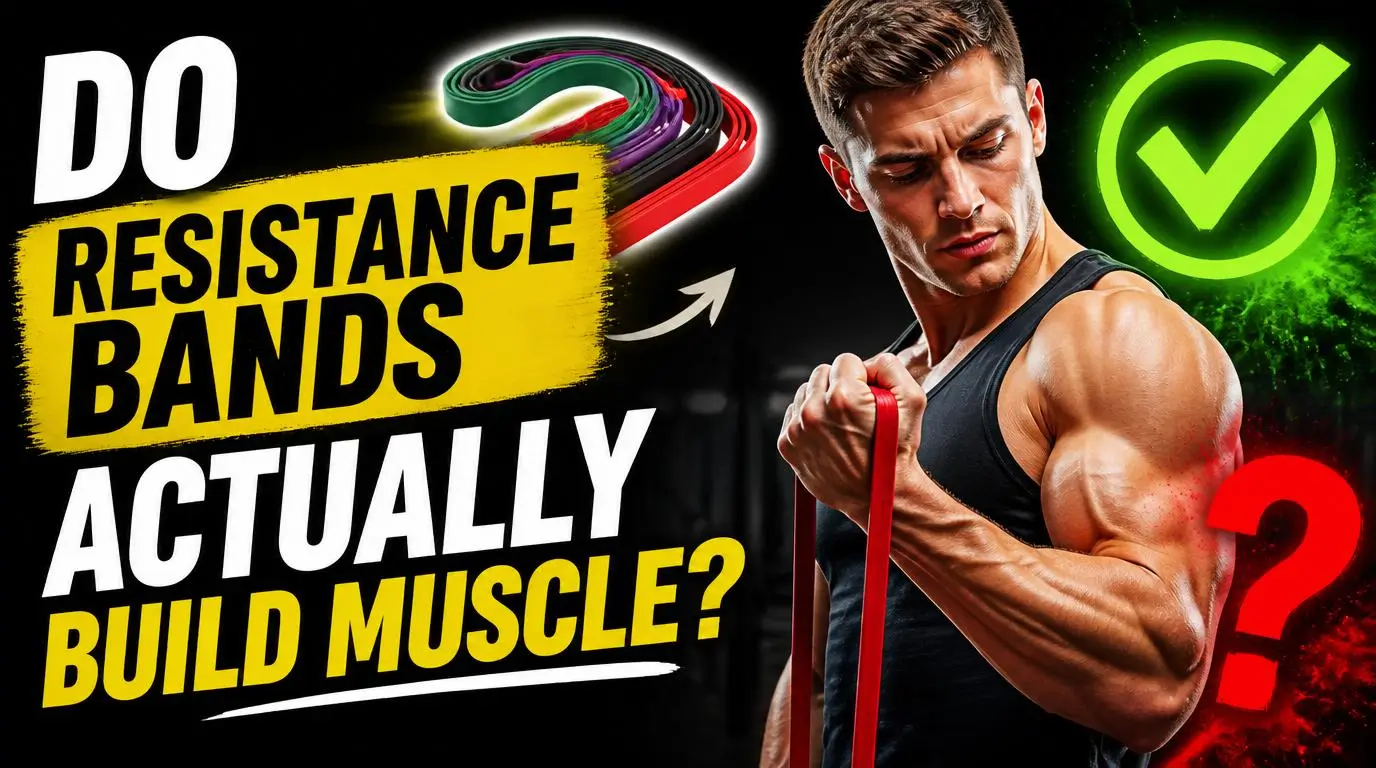
If you are wondering Do Resistance Bands Actually Build Muscle?, I get it. I stared at those stretchy loops for weeks before committing. I was completely convinced they were just glorified rubber bands. Everyone online had a different opinion. Gym bros made the whole concept sound laughable. Two full years of consistent resistance band training changed my mind. I have real answers now. Not theory. Not something I read in a study. Actual results I saw on my own body.
The Science Behind Why Resistance Bands Work for Muscle Growth
Muscle does not care what is creating the resistance. It only knows tension. That tension might come from a 50-pound dumbbell or a heavy band stretched to its limit. Your muscle fibers respond the exact same way either way. They break down and grow back thicker.
A 2019 study published in SAGE Open Medicine compared elastic resistance training to conventional weight training. Researchers found similar improvements in muscle strength and size. That was not a fluke. Multiple studies have backed this up since then.
Also Read: Free Weights vs Machines for Beginners: Which Is Better
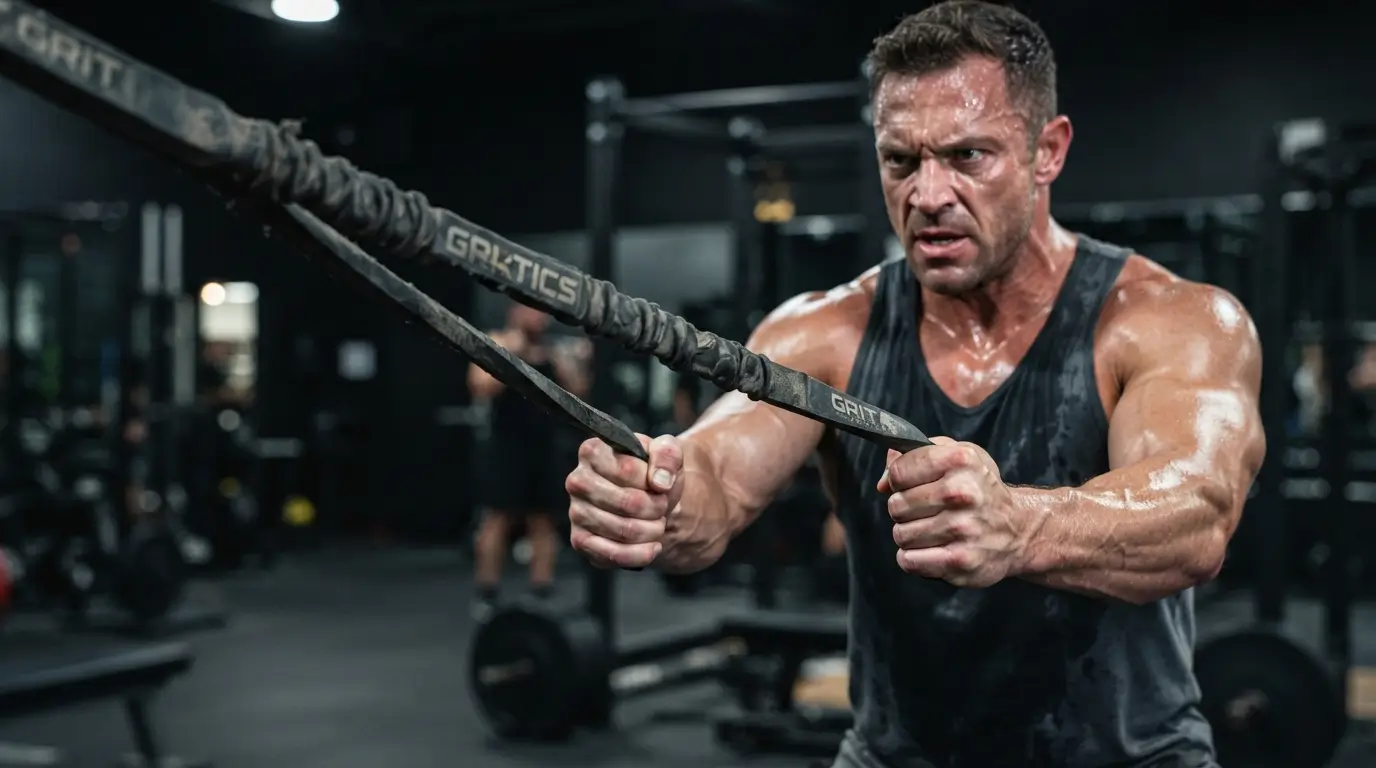
The key principle here is progressive overload. Bands deliver this in a unique way. Free weights provide constant resistance because of gravity. Bands create variable resistance instead. The further you stretch them, the harder the exercise gets. Your muscles face maximum tension at peak contraction.
That is exactly where growth stimulus matters most. I noticed this immediately with banded chest presses. The lockout felt brutally hard compared to dumbbells. My upper chest responded faster than I expected.
My Personal Results After Two Years of Band Training
I started with a set of Resistance Band Training (RBT) bands and a door anchor back in March 2022. At the time I could barely finish 15 push-ups. I weighed 168 pounds and had visible love handles.
After six months of training four days a week with bands, I gained about 7 pounds of lean mass. My arms went from 13.5 inches to just under 15 inches. My shoulders filled out noticeably. Friends started commenting. That is always the real metric.
By year two I had switched to heavier bands from Rogue Fitness and added a pull-up bar for anchoring. My physique looked like the body of someone who lifted weights regularly. Not a bodybuilder. Just athletic and muscular. The biggest surprise was my back development. Banded rows and face pulls gave me definition I never achieved during my previous gym phase using cables and machines.
Were the results identical to what I would get with a full barbell setup? Honestly no. I will get into that later. But the results were real and significant.
Where Resistance Bands Excel Over Free Weights
Bands have genuine advantages that weights cannot replicate. I am not just saying that to justify my purchase.
Joint-friendly tension stands out the most. Bands have no momentum and no eccentric loading from gravity at rest. My elbows and shoulders never ached during band training. Back when I used to bench press with a barbell, my right shoulder would flare up constantly. That problem vanished within weeks of switching to bands.
Portability is obvious but underrated in practice. I traveled for three weeks across Southeast Asia with a full set of bands stuffed into my carry-on bag. I trained in hotel rooms and parks. I even did a session on a rooftop in Chiang Mai. Try doing that with a squat rack.
Also Read: Best Budget Dumbbells for Home Workouts
The constant tension profile also means you cannot cheat your reps. It is easy to use momentum or swing a dumbbell. Bands punish sloppy form immediately because the resistance increases through the entire range of motion. Every single rep counts. I really believe this forced me to develop a better mind-muscle connection than I ever had with weights.

The Honest Limitations You Need to Know
I would be lying if I told you bands were perfect for building muscle. They are not. Pretending otherwise would just waste your time.
The biggest limitation is loading your legs. Squats and deadlifts with bands feel awkward past a certain resistance level. I stacked multiple bands for squats. It worked for a while but I eventually plateaued. My upper body kept progressing. My quads and glutes stalled around the 12-month mark. If leg development is a priority for you, you will probably need to supplement with heavy goblet squats using a kettlebell. Or find a leg press somewhere.
Tracking progressive overload is also trickier. With dumbbells you know you moved from 30 to 35 pounds. With bands the resistance changes based on how far you stretch them and where you anchor them. I started marking my floor with tape to keep my positioning consistent. That helped a lot but it added extra effort to my workouts.
Bands also wear out. I snapped two bands during my first year. One broke mid-set during a chest fly. It stung. The experience scared me enough to start inspecting my bands for micro-tears before every single session. You need to budget for replacements.
How to Actually Build Muscle With Bands (Not Just “Tone”)
If you want real hypertrophy from bands you cannot just flap them around for 20 minutes and call it a workout. You need structure.
Train each muscle group twice per week. I used an upper/lower split four days a week. That worked perfectly. Monday and Thursday were upper body days. Tuesday and Friday were lower body plus core.
Rep ranges matter. Aim for 8 to 15 reps per set for muscle growth. The last few reps should feel hard. If you can do 20 reps easily the band is too light. Move up to a heavier one. I kept a training journal and tracked every session. That made a huge difference in staying consistent with my progression.
Slow your reps down. This was the single biggest change that accelerated my results. I started using a 3-second eccentric phase on every rep. That means taking three full seconds to lower the weight. With bands this creates a massive amount of time under tension. My muscles responded almost immediately when I made this switch around month four.
Also Read: Best Fitness Tracker Under $100 for Beginners
Exercise Selection Tips
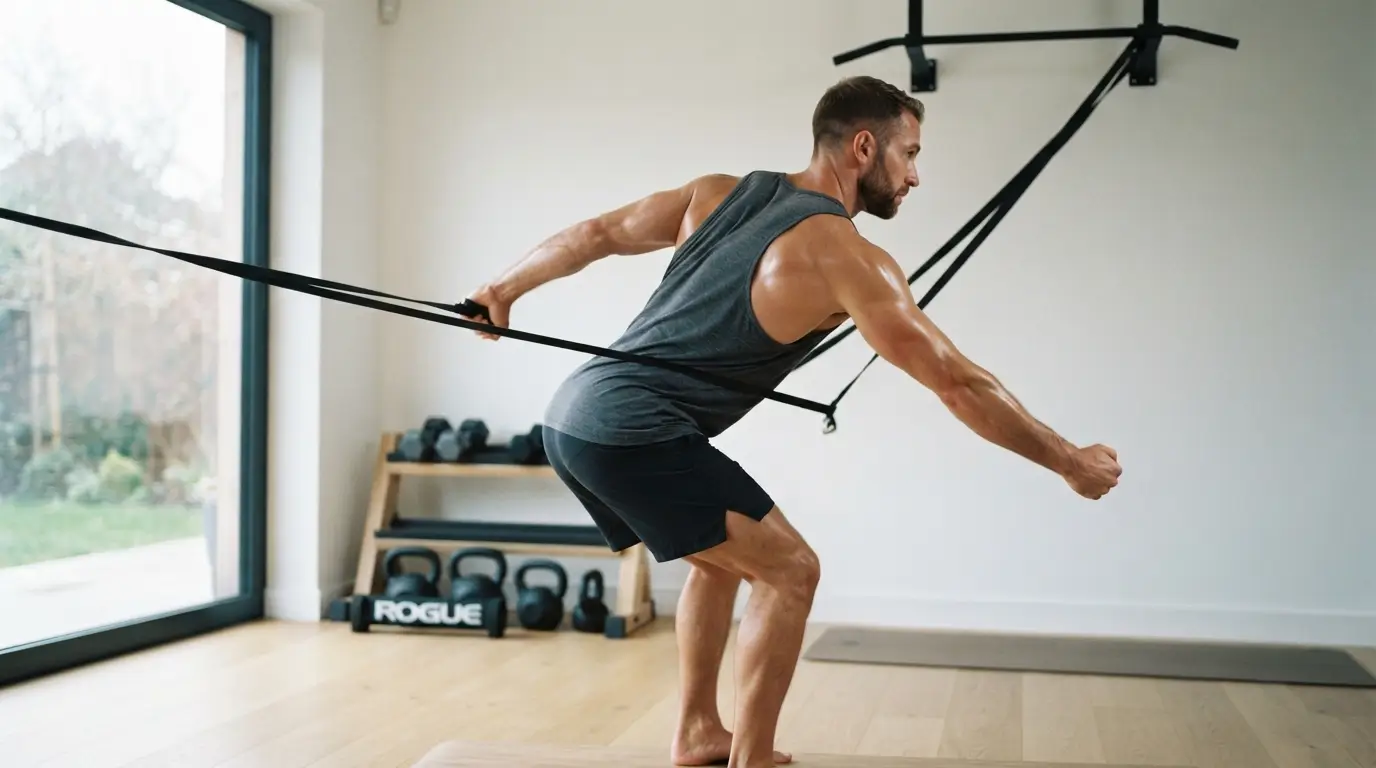
Pick compound movements first. Banded push-ups and rows should form your foundation. Add in squats and overhead presses. Isolation exercises like curls work great with bands too. They just should not dominate your entire program.
Use a solid anchor point. A door anchor or a pull-up bar setup gives you angles you cannot get otherwise. Standing on the band works for some exercises. Anchoring it at different heights opens up your exercise library dramatically.
Do Resistance Bands Actually Build Muscle for Beginners vs. Advanced Lifters?
This is where the answer gets nuanced. It is the question most articles skip completely.
Bands absolutely build muscle for beginners and intermediates. If you have been training for less than two years or are coming back after a long break, bands will give you noticeable results. Your body responds quickly to any new stimulus at this stage. Bands provide more than enough resistance to trigger that growth.
Bands alone probably will not cut it as a primary training tool for advanced lifters who already squat double their body weight. The resistance ceiling is not high enough for compound lower body movements. The lack of precise loading also makes periodization harder. Even advanced lifters still benefit from bands as supplementary tools though. I know a competitive powerlifter who uses bands for warm-ups and accessory movements. He swears his shoulder health improved dramatically because of it.
The sweet spot in my experience is using bands as your primary tool if you train at home or travel frequently. You can supplement them with a few heavy implements like a kettlebell if you have the space. That combination covers almost every base.
Best Resistance Bands for Muscle Building
Not all bands are equal. Cheap ones from random Amazon sellers tend to snap or lose elasticity fast. Here is what I have personally used and recommend.
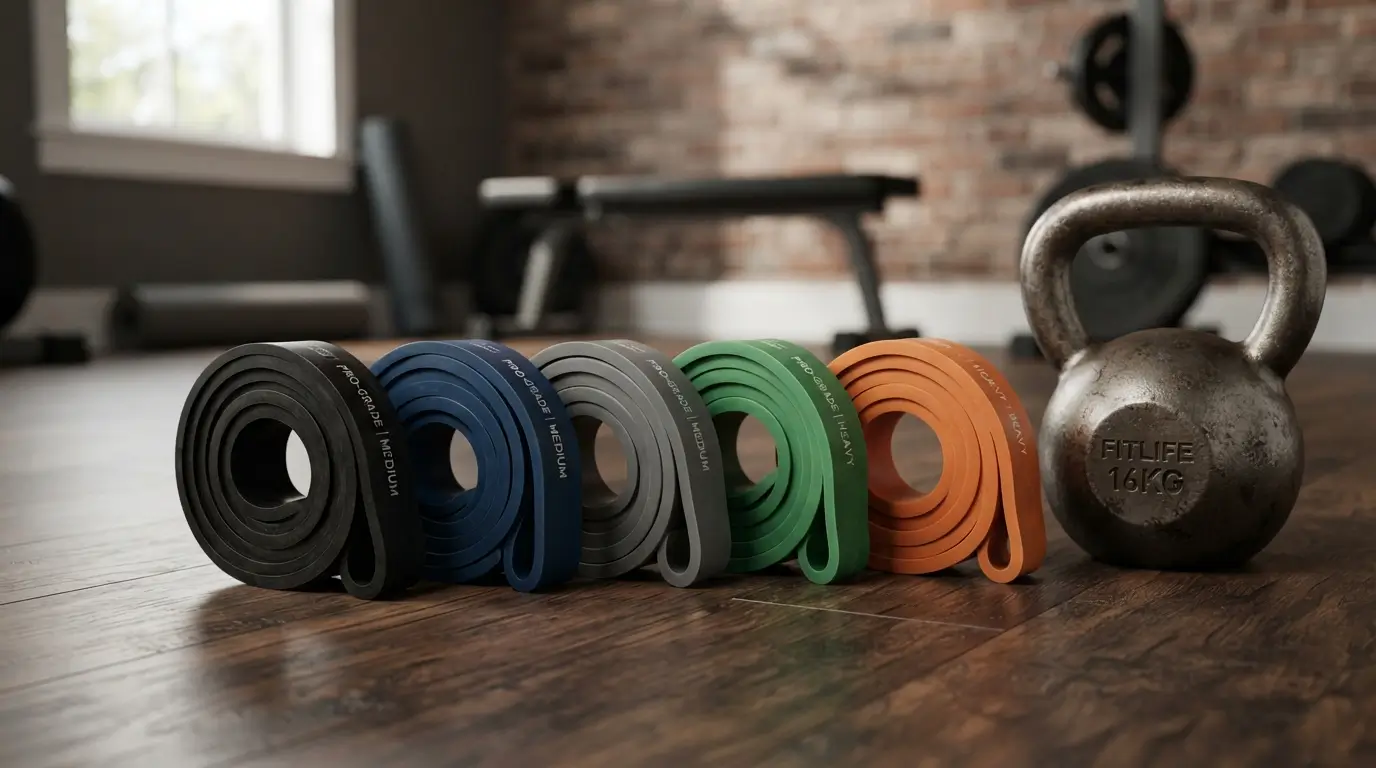
Loop-style pull-up bands from Rogue Fitness or WODFitters are my top pick. They come in multiple resistance levels and handle heavy tension without deforming. They last for years with proper care. I have had my Rogue set for over a year with zero issues.
Tube bands with handles work well for isolation exercises and pressing movements. Bodylastics makes a solid version. The handles make them more comfortable for high-rep sets. Just make sure you buy a set with a legitimate door anchor. Do not buy one of those flimsy fabric ones that slide out.
Fabric booty bands are popular but limited. They are great for glute activation during warm-ups. They will not build serious muscle on their own though. I use a set from Gymreapers for hip thrusts and banded walks. They are a supplement to my real training. Not the main event.
Spend between $30 and $70 on a quality set. Anything cheaper is a gamble with your safety and your results.
FAQs
Can resistance bands replace the gym entirely?
For most people who want to look fit and feel strong, yes. Bands cover about 80% of what a gym offers. You will miss out on very heavy leg work and the social environment. For building a lean physique at home, bands get the job done. I have not had a gym membership in two years and I look better now than when I did.
How long does it take to see muscle growth from resistance bands?
I noticed visible changes around the 6 to 8 week mark. The changes were mainly in my shoulders and arms. Meaningful size gains showed up closer to 3 to 4 months. This timeline matches what you see with free weights. Consistency and progressive overload matter far more than the tool you use. Take progress photos monthly so you can actually see the changes happening.
Do resistance bands actually build muscle as effectively as dumbbells?
For upper body training the results are surprisingly close. Research supports this. My own experience confirms it. For lower body training, dumbbells and barbells still have an edge because you can load them heavier. You can close that gap significantly if you combine bands with a heavy kettlebell for squats.
What resistance band weight should a beginner start with?
Start with a light and medium band. This usually means 15 to 35 pounds of resistance. You want to be challenged while still able to maintain good form for 10 to 15 reps. Most beginners overestimate how much resistance they actually need. It is better to start lighter and focus on controlled reps than to wrestle with a band that is too heavy.
Are resistance bands safe for older adults?
Bands are one of the safest strength training tools for older adults. The lack of heavy external load reduces joint stress. There is also zero risk of dropping a weight on yourself. My dad started training with bands at 62. He built noticeable arm and shoulder muscle within four months. Just start with lighter resistance and progress gradually.
Conclusion
Resistance bands genuinely build muscle. I am living proof of that and the science backs it up. They are not a gimmick. They are not inferior to weights for most training goals. If you have been on the fence about them, grab a quality set and give them an honest three months. What is the worst that could happen?