When I first walked into a gym, figuring out whether Free Weights Vs Machines For Beginners were better nearly paralyzed me. I stood between the dumbbell rack and a row of cable machines feeling like a total fraud. Everyone around me looked like they knew exactly what they were doing. I definitely didn’t. I tried both options. I made plenty of mistakes. Three years later, I finally have a real answer, and it isn’t what I expected in this Free Weights Vs Machines For Beginners guide.
What Free Weights Actually Feel Like When You’re New
Picking up a barbell for the first time is a humbling experience. There is no guide rail or padded seat telling your body where to go. It is just you, gravity, and a weight that suddenly feels much heavier than it looks.
Also Read: Do Resistance Bands Actually Build Muscle?
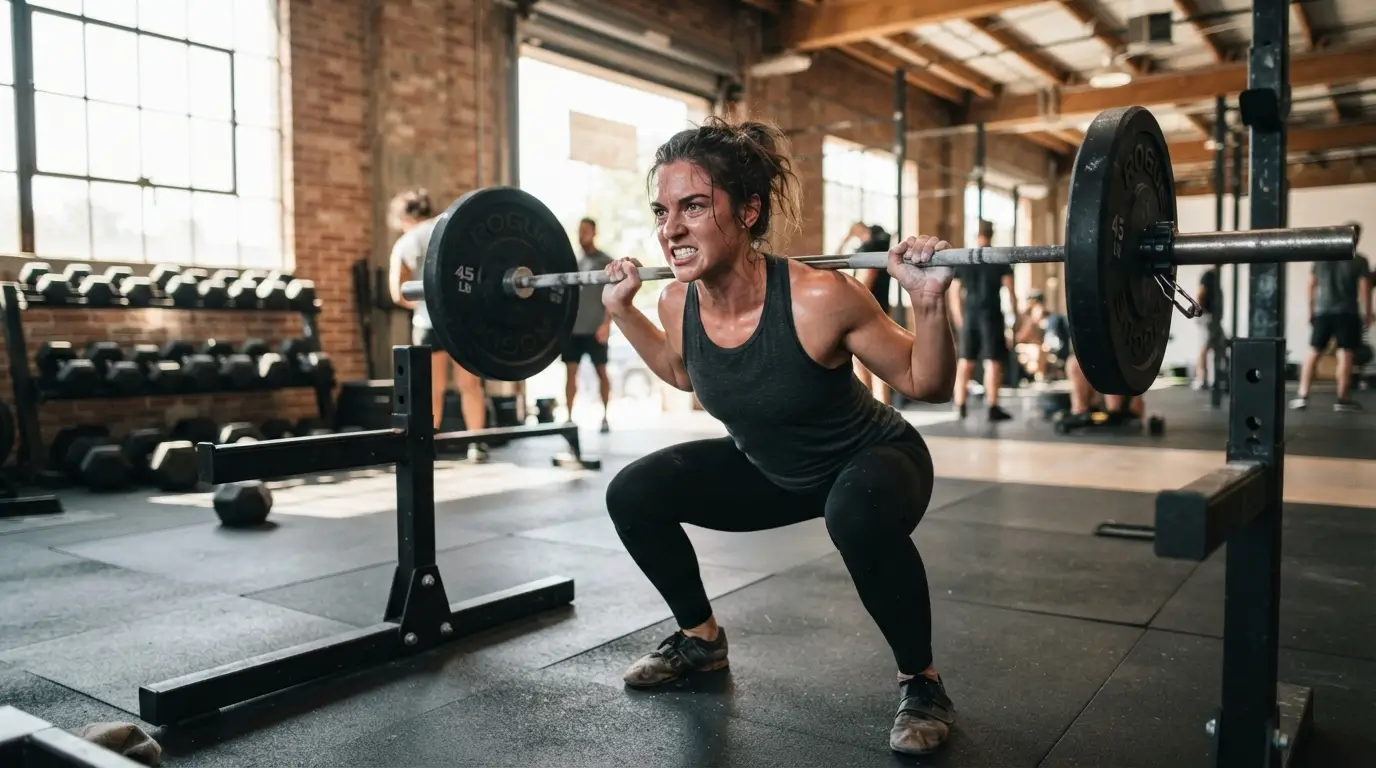
I started with a 45-pound barbell doing squats. My knees caved inward. My back rounded. A kind stranger told me I should probably drop the weight by half. He was right. Free weights demand that your stabilizer muscles do real work. Those are the small muscles around your joints. That actually provides a huge benefit over time because you build functional strength that transfers to everyday life. Think about carrying heavy groceries up a flight of stairs or moving a couch across the room.
There is an honest downside here. When your form breaks down with free weights, you can really hurt yourself. I tweaked my lower back doing deadlifts in month two because I watched one YouTube video and thought I had it figured out. I was very wrong.
What Machines Actually Feel Like When You’re New
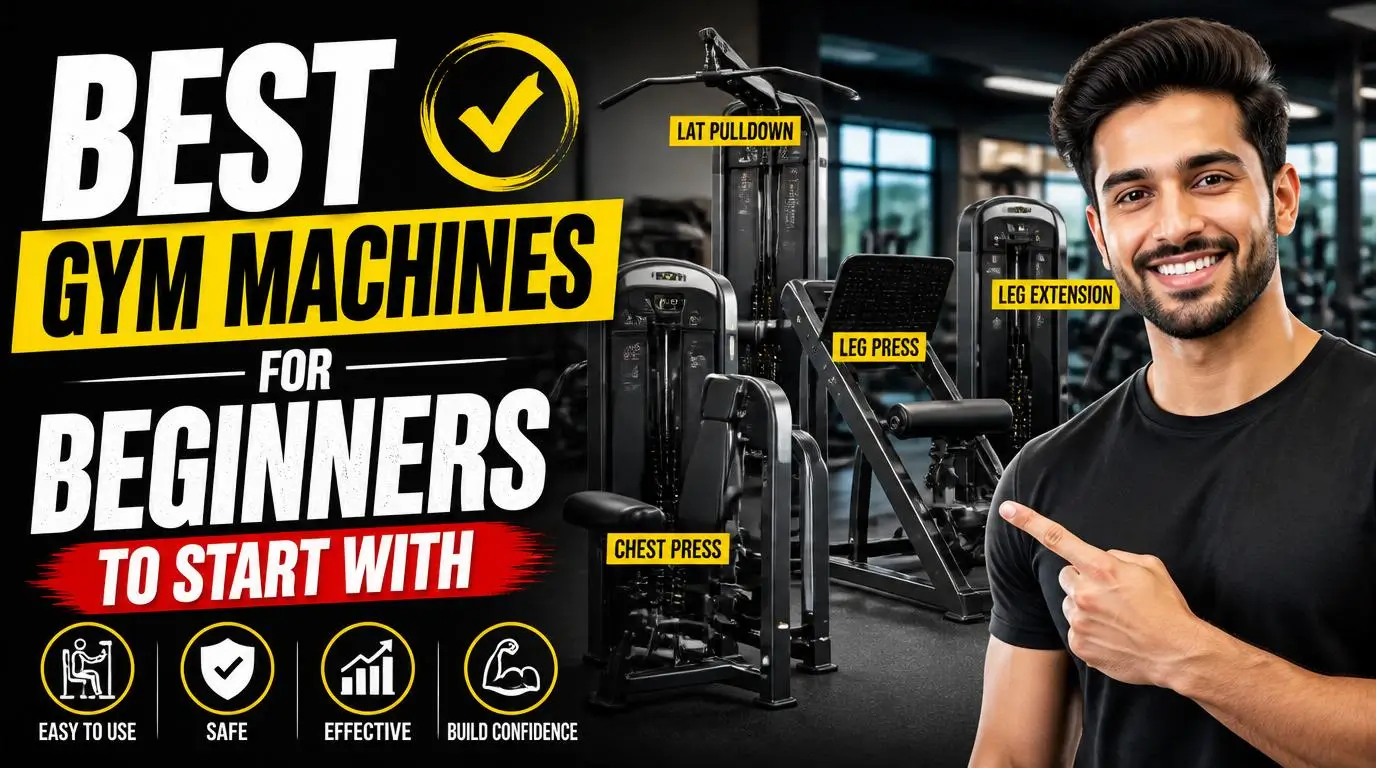
My first time on a leg press machine felt like a small victory. I sat down and read the little instruction sticker. I adjusted the seat and pushed. It actually worked. I felt my quads burn, and nobody had to correct my form.
Machines guide your body through a fixed range of motion. The movement pattern is already decided for you. For a total beginner, that feels incredibly reassuring. You can focus entirely on pushing or pulling without worrying about balancing the weight or keeping it on a straight path.
I genuinely believe machines gave me the confidence to keep showing up during those first few weeks. The learning curve is almost completely flat. You sit down and push. You feel the muscle working. That matters more than people give it credit for. The best workout program is simply the one you actually stick with.
There is a trade-off, of course. Machines do not train your body to stabilize weight in three-dimensional space. Real life does not come with guide rails.
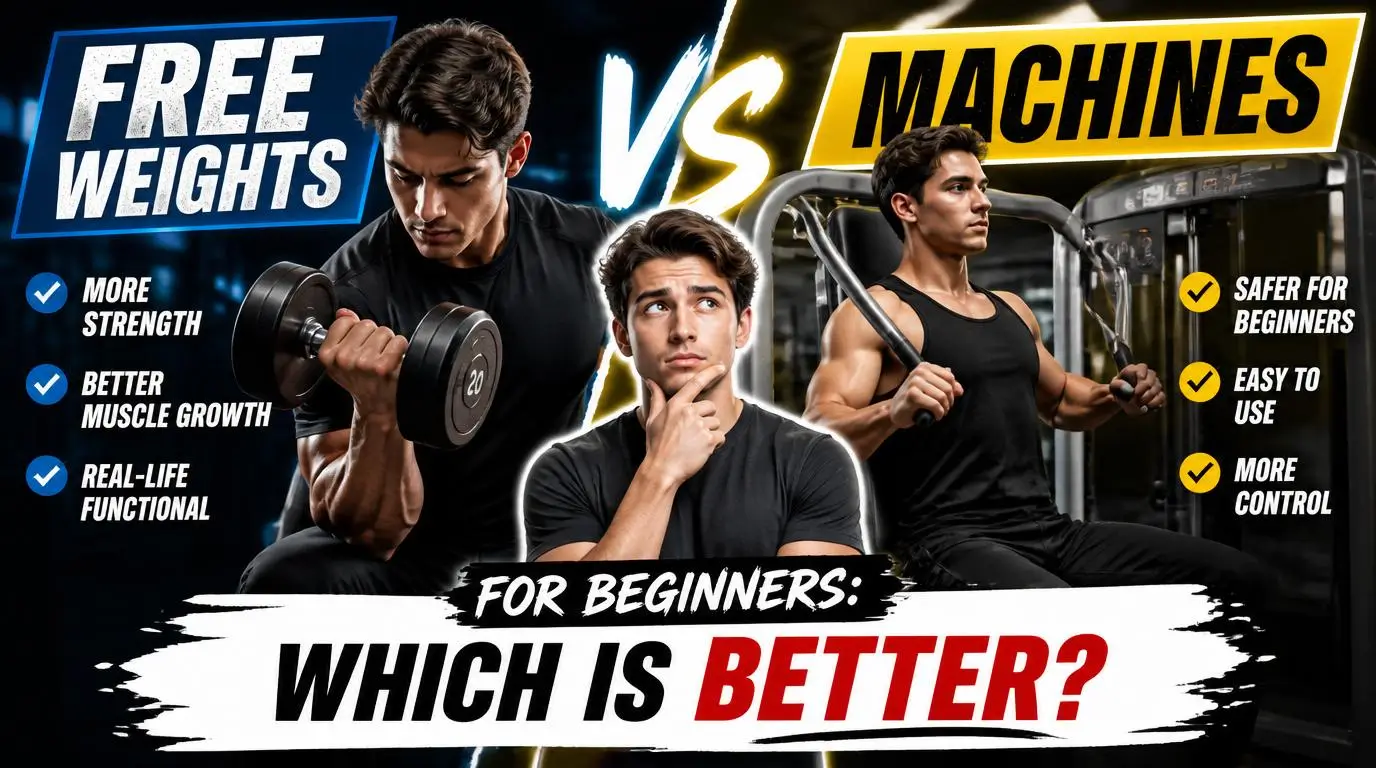
Free Weights vs Machines for Beginners: The Honest Comparison
Let me break down what I actually experienced across the categories that matter most when you are just starting out.
Safety
Machines win here and it is not even close. A Smith machine or leg curl station will not let the weight fall on you if you fail a rep. Free weights absolutely can do that. I have seen beginners get pinned under a bench press with no spotter around. If you are training alone, machines provide a safety net that free weights simply do not offer.
Building Real-World Strength
Free weights take this category. When you do a dumbbell shoulder press, your core fires and your rotator cuff muscles engage. Your body learns to coordinate movement across multiple joints at once. A machine shoulder press isolates the deltoids but ignores everything else. After six months of mostly free weights, I noticed I moved differently outside the gym. I felt more athletic and capable in daily life.
Learning Proper Form
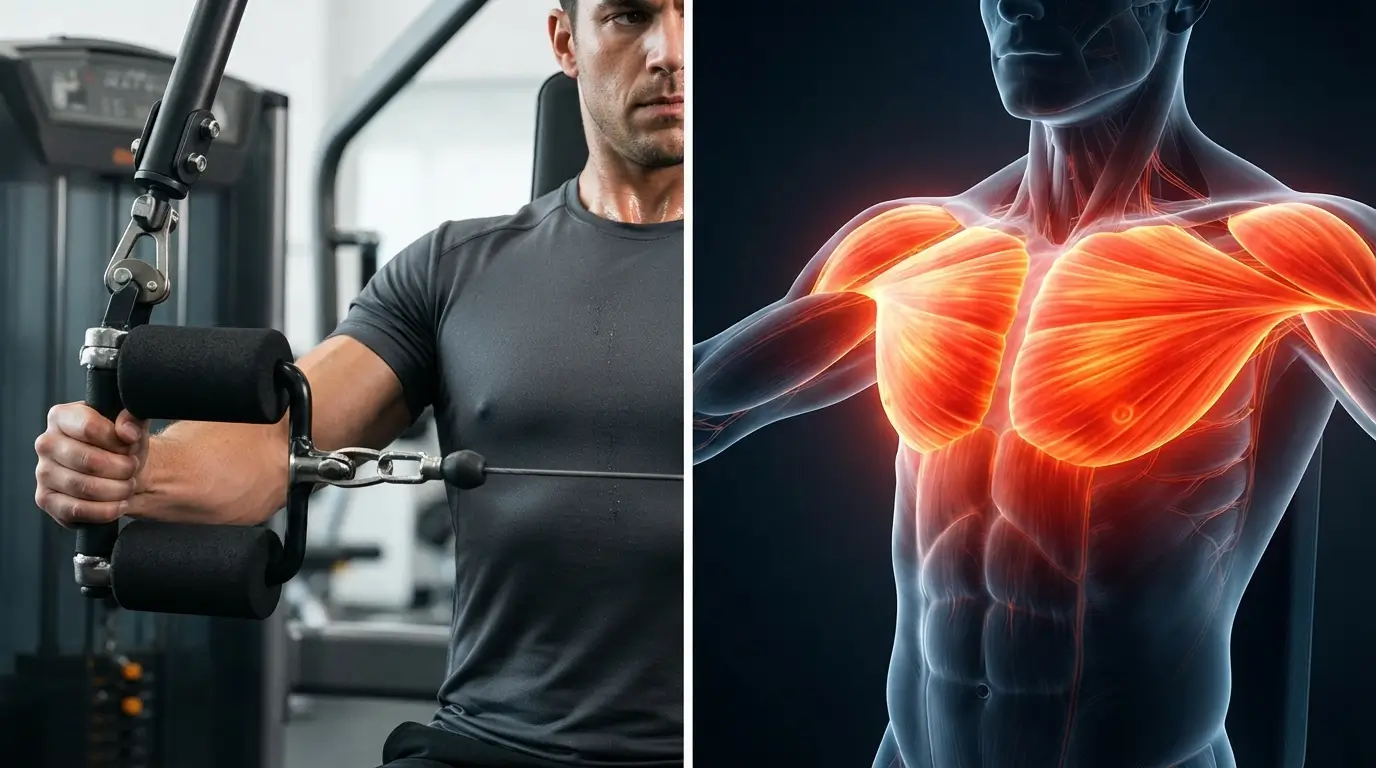
This one surprised me. I assumed free weights would teach me better form since they seem more natural. I actually learned to feel my muscles working by using machines first. The chest fly machine taught me what a chest contraction felt like before I ever tried a dumbbell fly. That mind-muscle connection carried over directly.
Also Read: Best Budget Dumbbells for Home Workouts
Muscle Growth
Both options build muscle effectively. Research from the Journal of Strength and Conditioning has shown that machines and free weights produce similar hypertrophy when volume and effort are matched. If your main goal is just looking better, either tool gets the job done perfectly well.
Convenience and Gym Intimidation
Walking up to a squat rack when you have never touched a barbell is genuinely scary. I avoided the free weight section for two full weeks when I started going to the gym. Machines are tucked in neat rows. They have instructions printed right on the frame. Nobody really watches you use them. That psychological comfort matters a lot when you are trying to build a new gym habit.
My Actual Recommendation After Three Years
I wish someone had told me this on day one. Start with machines for the first two to four weeks. After that, gradually introduce free weights into your routine.
I know that might sound like a cop-out, but hear me out. Those first few weeks are strictly about building the habit of going to the gym consistently. Machines remove the intimidation factor. They let you feel your muscles working without the cognitive overload of learning complex barbell movements at the same time.
Once you are showing up regularly and your body has adapted to resistance training, start adding compound free weight movements one at a time. Try goblet squats before barbell squats. Do a dumbbell bench press before stepping up to a barbell. Build your skills progressively instead of rushing.
By month three, I was doing about 60 percent free weights and 40 percent machines. By month six, that ratio flipped to 70/30. Today I use both in every single workout. Machines are fantastic for isolating muscles at the end of a session when you are completely fatigued and your stabilizers are fried.
Common Mistakes I Made (So You Don’t Have To)
Going too heavy on free weights too soon was my biggest error. My ego wrote checks my rotator cuffs could not cash. Start lighter than you think you need to. I am completely serious about that.
Also Read: Best Fitness Tracker Under $100 for Beginners
I also skipped machines entirely because some fitness influencer said they were useless. That is garbage advice. The cable machine alone is one of the most versatile pieces of equipment in any gym. Cable rows and face pulls are incredibly effective. So are tricep pushdowns.
Another big mistake was not asking for help. Most gym staff will happily show you how to use equipment for free. I wasted weeks doing exercises wrong because I was too embarrassed to ask a simple question. Do not be like me.
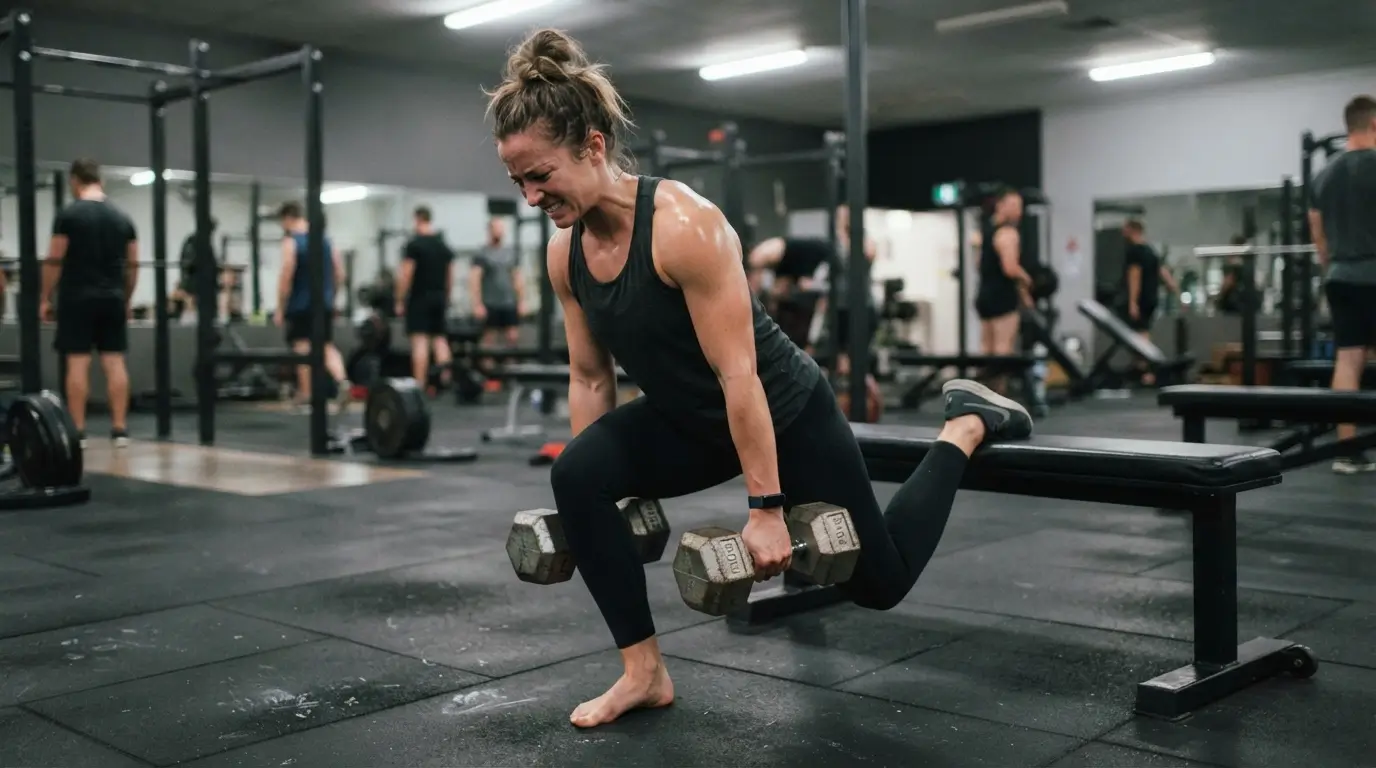
I ignored single-leg and single-arm work for way too long as well. Bulgarian split squats with dumbbells exposed muscle imbalances I did not know I had. My left leg was significantly weaker than my right. Machines can hide those imbalances because your stronger side naturally compensates. Unilateral training with free weights fixes that problem completely.
When Machines Are the Better Choice
Certain situations make machines the clear winner regardless of your experience level.
If you are rehabbing an injury, machines let you load a specific muscle without stressing the surrounding joints. When I strained my lower back, the leg press let me keep training my legs while my spine recovered. A barbell squat would have been a terrible idea at that point.
If you train alone without a spotter, machines with built-in safety stops let you push to true failure without much risk. I train solo 90 percent of the time. I regularly use the Smith machine for heavy pressing when nobody is around to spot me.
If you are older and new to training, machines provide a very controlled environment that reduces injury risk while still delivering solid results. My dad started lifting at 58 using nothing but machines for his first six months. He built noticeable muscle and gained a lot of confidence before ever touching a dumbbell.
When Free Weights Are the Better Choice
If your goal involves athletic performance or building coordination, free weights are superior. They train your nervous system to recruit muscles in patterns that mimic real human movement.
Barbell and dumbbell exercises also offer nearly infinite variety. You can adjust your grip width and your stance. You can change the angle and the tempo in ways machines simply cannot replicate. A single pair of adjustable dumbbells in a home gym can replace dozens of machines. The Bowflex SelectTech and PowerBlock are both great options if you are building a home setup.
Free weights scale better over the long term, too. Most commercial machines max out at a certain weight. A barbell does not. As you get stronger over the years, free weights grow right along with you.
FAQs
Can beginners build muscle effectively with just machines?
Yes, they can. Machines provide consistent tension and let you target specific muscles without worrying about balance. Multiple studies confirm that machine-based training produces real muscle growth. If machines are all you have access to or feel comfortable using, you can build a solid physique using them alone. Just make sure you are progressively adding weight over time.
Is it true that free weights are more dangerous for beginners?
They carry more risk if your form is poor. Free weights require coordination and body awareness that takes time to develop. The word dangerous is a bit strong though. If you start with lighter weights and learn proper technique from a qualified source, free weight training becomes very safe. Most injuries happen from ego lifting rather than the equipment itself.
Should I choose free weights vs machines for beginners based on my goals?
Your goals really do matter here. If you want functional athletic strength, lean toward free weights. If you want to build muscle size with minimal injury risk, machines work great. For most beginners, a combination of both produces the best results. You get safety from machines plus coordination from free weights.
How long should a beginner use machines before trying free weights?
Two to four weeks is a good starting window. That gives your muscles and connective tissue time to adapt to resistance training. Your joints need that adjustment period. It also gives you time to build the gym habit. After that, introduce one or two basic free weight exercises per week. Goblet squats and dumbbell rows are perfect first moves.
Do I need a personal trainer to start using free weights?
You do not strictly need one. A few sessions with a trainer can save you months of trial and error, though. Even three or four sessions focused on your squat and bench press form is worth the investment. The deadlift and overhead press should be included too. If a trainer is not in the budget, film yourself. Compare your form to reputable coaching videos from channels like Jeff Nippard or Renaissance Periodization.
Conclusion
The whole debate around free weights versus machines for beginners misses the point. Both are just tools. Smart beginners use whichever tool fits the moment. Start where you feel safe and build your confidence. You can expand your skills gradually over time. That is the approach that actually sticks. Which one did you start with? Would you do it differently now?