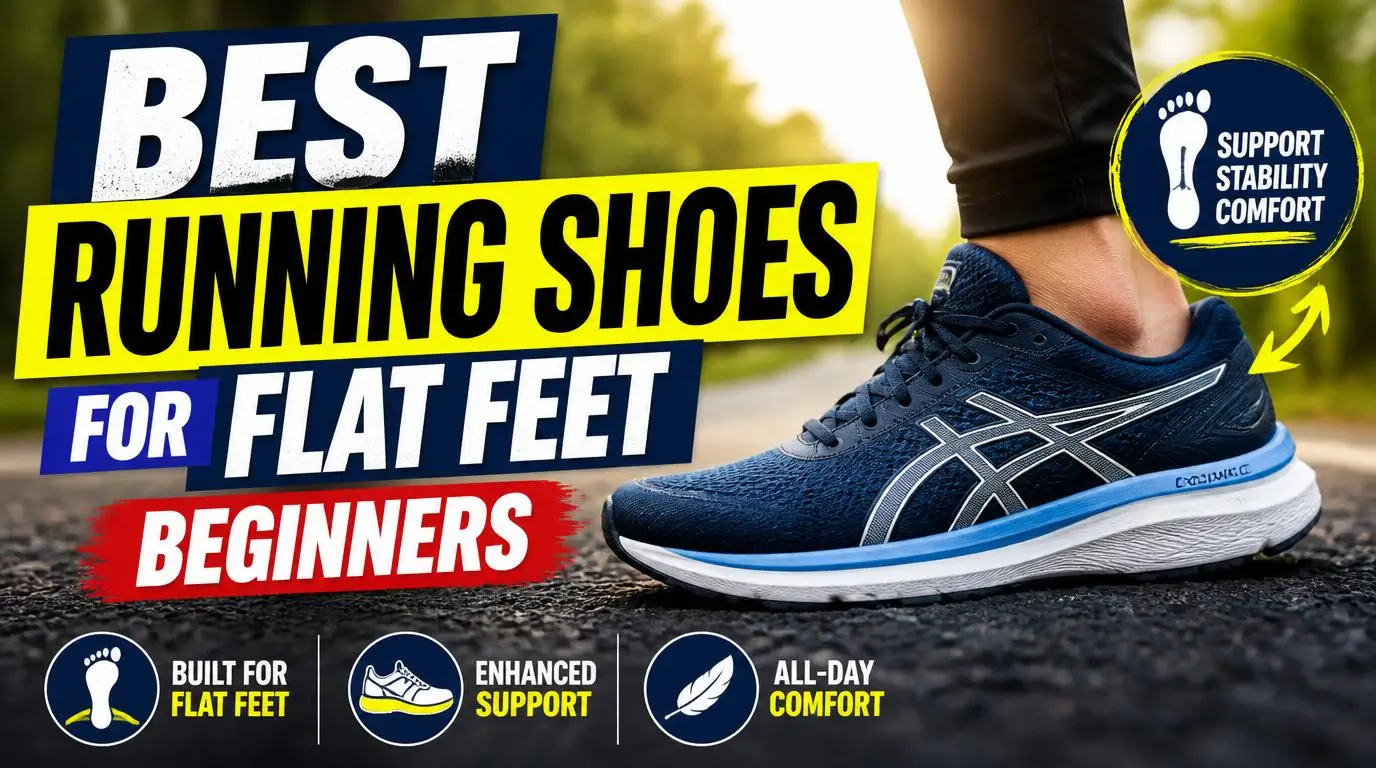
Shopping for Best Running Shoes for Flat Feet Beginners is a frustrating process. When I first tried to get into running, I laced up an old pair of neutral sneakers. I hit the pavement and limped back home twenty minutes later. My arches ached. My knees throbbed. Nobody bothered to warn me that collapsed arches change the entire mechanics of your stride. Wearing the wrong sneakers will absolutely sideline you before you even build a solid routine. I spent the last two years testing different brands and chatting with local podiatrists to figure out what actually helps when choosing the Best Running Shoes for Flat Feet Beginners.
Why Flat Feet Need Special Attention
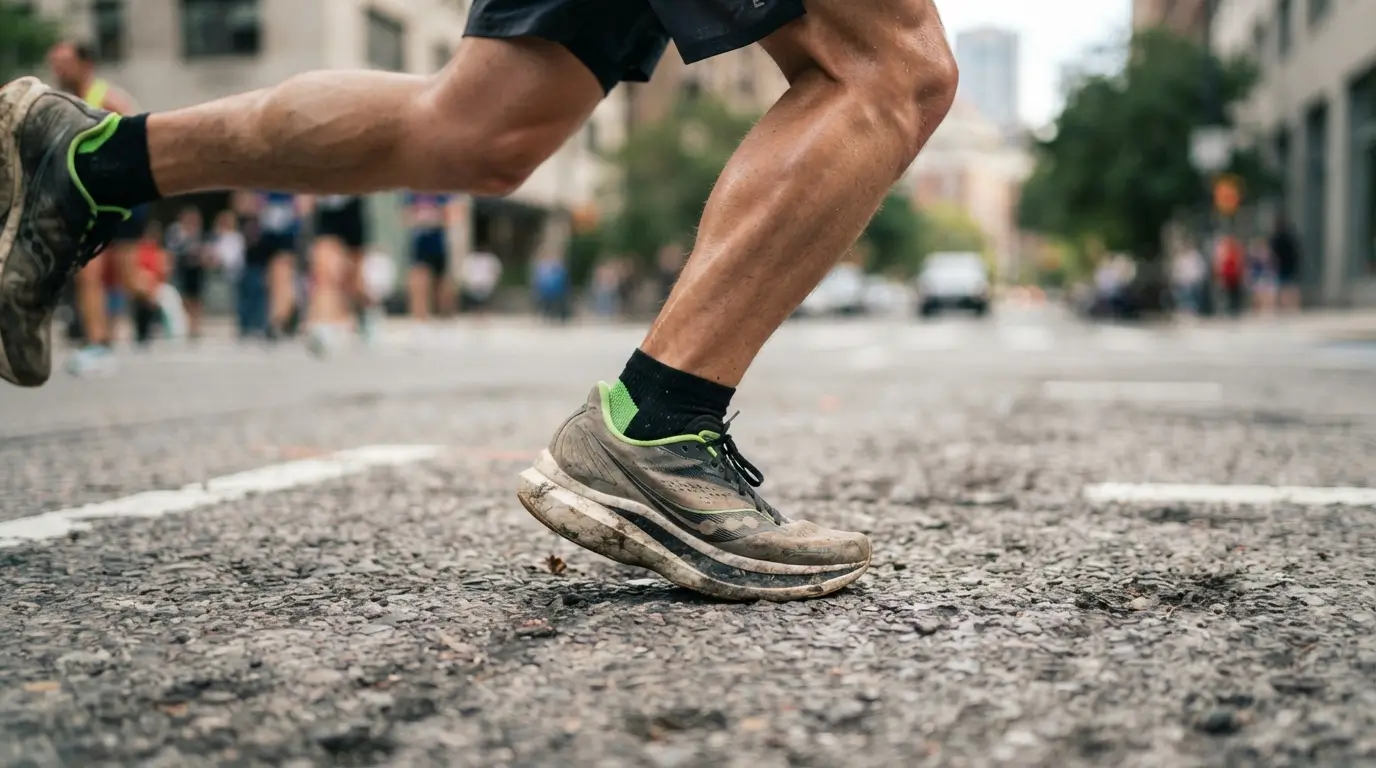
Having flat feet means your arches collapse inward during a run. Podiatrists refer to this as overpronation. It creates a domino effect right up your legs. Your ankles roll inward first. Then your knees twist out of alignment. Eventually your hips have to compensate for the bad posture. I ignored my own sloppy form for months. That stubbornness gave me a nasty case of IT band syndrome.
Standard running shoes cater to people with neutral arches. Those basic models feel perfectly fine walking around a shoe store. But they offer zero structural support where flat-footed runners need it. You have to look for stability shoes. These models are designed specifically to guide your foot through a straight path. Buying my first true stability shoe changed everything. My ankles finally stayed locked in place.
You can do a quick test at home if you aren’t completely sure about your foot shape. Just step on a brown paper bag with a wet foot. Look down at the footprint you leave behind. Seeing your entire sole pressed flat against the paper means your arches have collapsed. Any local running shop can also confirm this for you by watching you walk on a treadmill.
How I Picked These Shoes
I refused to just copy and paste spec sheets for this guide. I bought and ran in every single pair on this list. I spent at least three weeks with each model. I logged roughly twenty miles in every shoe to see how the foam holds up over time. I paid close attention to the price tags and the overall weight. Heavy shoes feel miserable on a beginner. I left those clunky options off this list entirely.
Also Read: Best Gym Machines for Beginners to Start With
Getting advice from actual physical therapists helped me narrow down my choices. Their medical input heavily influenced my final picks. Shoe brands love to push fancy foam technology. But beginners just need something comfortable that prevents blisters at a slow jogging pace.
1. Brooks Adrenaline GTS 24
I recommend this specific model to almost every new runner I meet. Brooks uses a GuideRails support system in the midsole. It stops your foot from rolling inward. It manages to do this without feeling like a hard orthotic wedge jammed under your arch. I wore the Adrenaline during my first consistent month of training. My knee pain completely vanished.
You get plenty of soft cushioning underfoot. It stays firm enough to help you build raw ankle strength over time. The mesh upper breathes incredibly well during hot summer workouts. You can expect to pay around $140 for a pair. They easily survive 400 miles of heavy pavement pounding. The Adrenaline simply gets the job done for beginners.
2. ASICS Gel-Kayano 31
The Kayano 31 features a thick layer of FF Blast Plus foam. This material absorbs concrete impact incredibly well while still offering a very stable base. ASICS recently swapped out their older dual-density midsoles for a newer guidance system. You get solid pronation control without the stiff ride that plagued older Kayano models.
I laced these up for longer weekend runs. My feet felt noticeably fresher after three miles compared to other trainers. Keep in mind that the toe box runs slightly narrow. People with wide feet should order a half size up. The $160 price tag hurts a bit upfront. The build quality makes up for the cost because these shoes are literal tanks.
3. New Balance Fresh Foam X 860v14
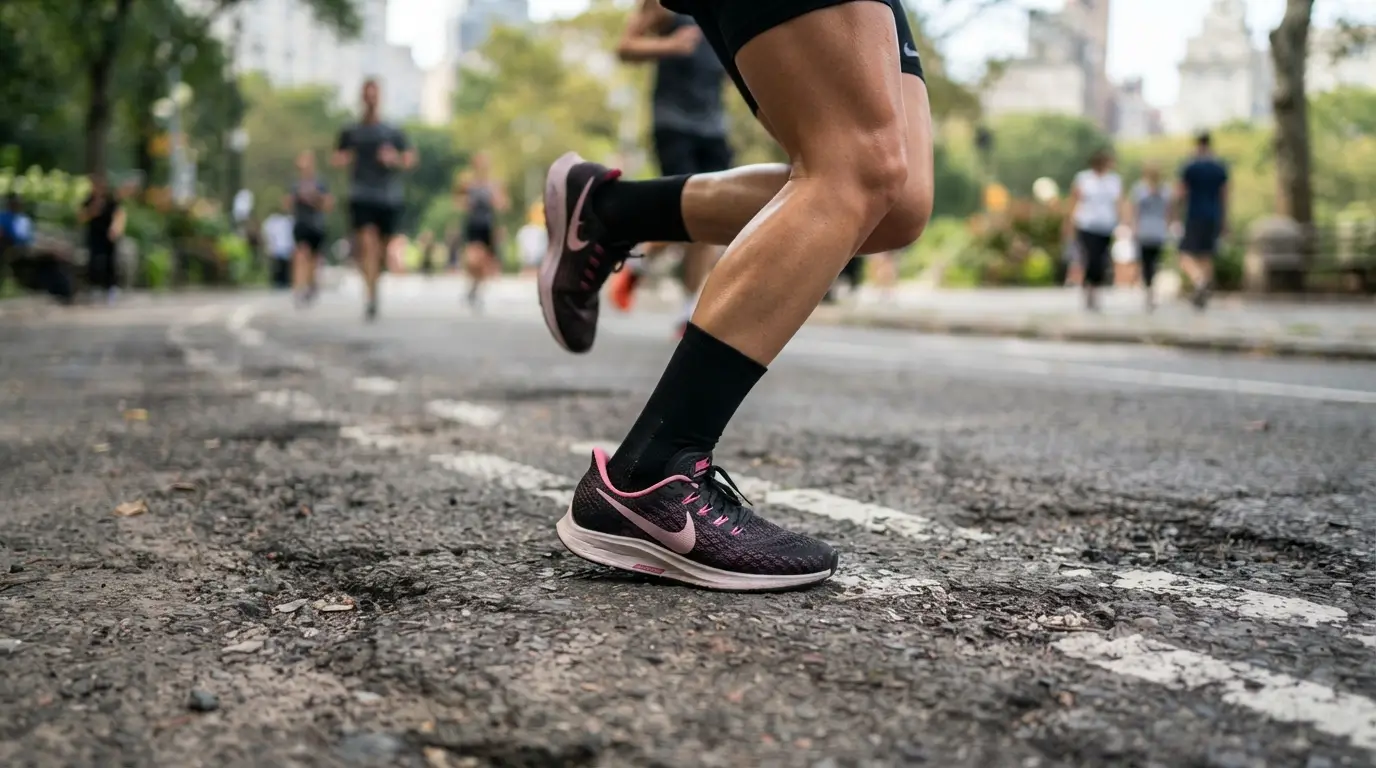
New Balance built a highly dependable daily trainer with the 860v14. A firm medial post sits on the inside edge of the shoe. This limits overpronation without feeling like a rigid medical boot. The thick Fresh Foam X midsole absorbs shock on hard asphalt. Your joints will definitely appreciate that extra padding during those first few weeks of training.
The roomy toe box ended up being my favorite feature. My toes never cramped up. Feet naturally swell during long workouts. New Balance also offers multiple width options for people who need extra space. You can usually find these priced at $140. They trade blows evenly with the Brooks Adrenaline in terms of comfort and overall value.
4. Saucony Guide 17
The Guide 17 caught me totally off guard. People rarely talk about Saucony in the same breath as ASICS. I think this specific shoe is a fantastic entry point for novices. The proprietary foam provides a responsive ride that refuses to feel overly bouncy. A small TPU plastic frame sits under the arch to keep your stride aligned.
It weighs right around 9.3 ounces. That makes it one of the lighter stability options on the market. Heavy footwear makes every single mile feel agonizing when you are just starting out. I used the Guide 17 for fast interval training and very slow evening jogs. They handle different speeds beautifully. The $140 price falls right in line with similar models.
5. HOKA Arahi 7
HOKA dominates the maximalist footwear space right now. The Arahi 7 brings their signature thick foam into the stability market. A firm piece of foam wraps around the heel and inside edge of the shoe. HOKA calls this their J-Frame. It prevents your arch from collapsing without relying on a hard plastic wedge. The correction feels surprisingly natural.
I found these heavily padded shoes perfect for concrete sidewalks. Most beginners stick to running in their neighborhood. That thick base layer absorbs massive amounts of shock. Your shins stay happy. They do run incredibly warm. Your feet will absolutely sweat if you live in a hot climate. The Arahi 7 costs $145 and delivers massive cushioning for sensitive joints.
6. Mizuno Wave Inspire 20
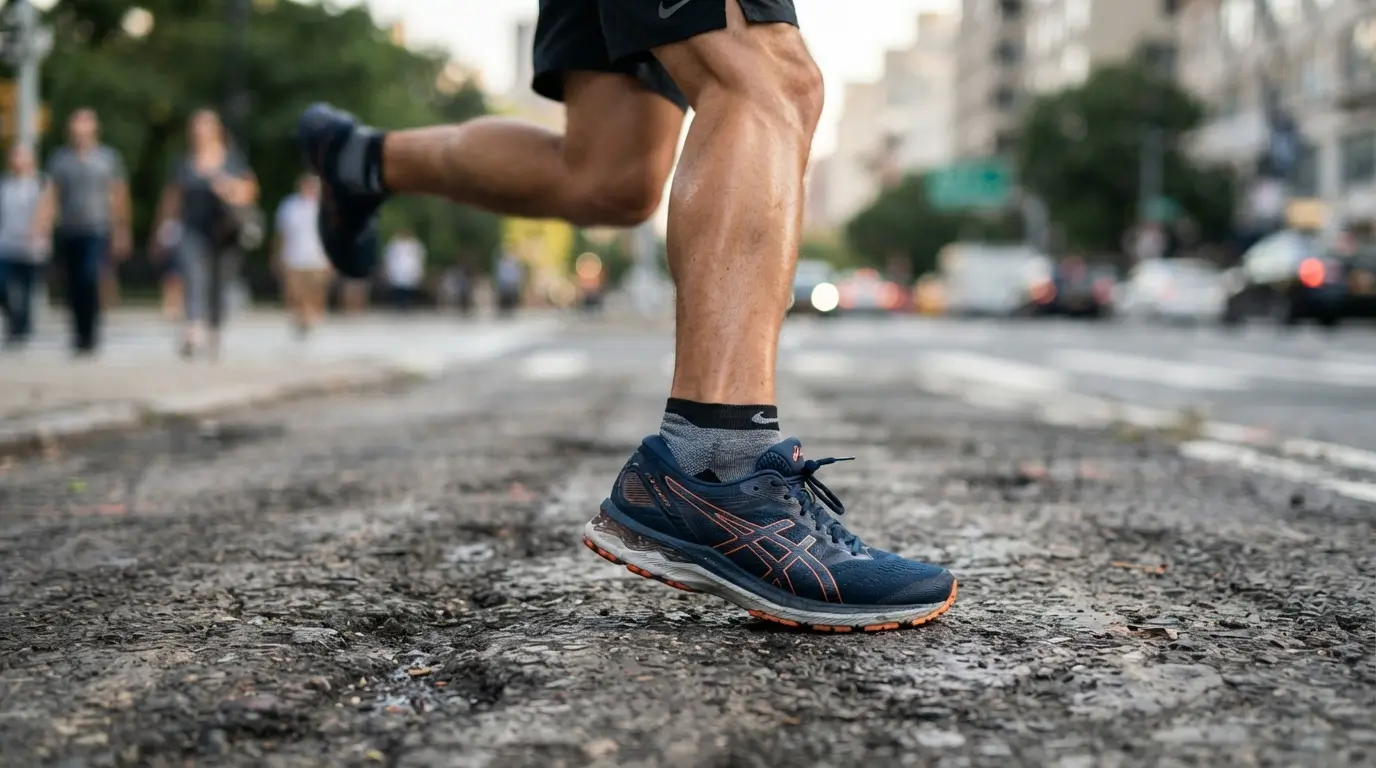
Mizuno takes a totally different approach to correcting flat feet. They embed a wavy plastic plate directly into the foam. This plate distributes impact force across the entire sole. It simultaneously blocks your foot from rolling inward. The final result is a firm ride. You won’t find that sink-in softness here.
Some beginners hate the stiff sensation of a plastic plate. I actually think it forces you to develop better running form. The shoe trains you to land efficiently on your midfoot. A layer of proprietary foam adds just enough padding to prevent bruised heels. My pair easily survived 500 miles of training. The $140 price tag feels justified when you look at that kind of durability.
What About Motion Control Shoes?
Basic stability models work perfectly for the vast majority of flat-footed beginners. Runners with extremely severe overpronation might require actual motion control shoes. Those specialized models feature rigid plastic correction and heavy materials. The Brooks Beast is a popular option in this specific category.
I only suggest buying motion control trainers if a medical professional explicitly prescribes them to you. Standard stability sneakers provide more than enough support for an average flat arch. Buying footwear with aggressive correction can trigger entirely new injuries. Your body will start overcompensating. You might end up with tight hips or brutal shin splints.
Tips for Your First Pair
Getting fitted in person matters. Buying shoes on the internet is much faster. But your first pair has to fit perfectly. Go down to a local specialty running shop for a free gait analysis. A store employee will watch you jog on a treadmill to figure out exactly how your foot lands. Buy your initial pair from that local shop. You can always reorder future pairs online to save some cash.
Keep a thumb width of empty space between your longest toe and the fabric. Feet swell up significantly during a long run. A shoe that feels perfectly snug in your living room will feel like a medieval torture device at mile three. Take your actual running socks to the store with you. Thick cotton socks change how a shoe fits entirely.
Plan on replacing your running sneakers after hitting the 400-mile mark. I log my daily mileage in a free tracking app on my phone. Worn-out foam loses its structural integrity quickly. Your flat feet will lose that crucial support. Old injuries will creep right back into your life if you ignore worn tread.
Common Mistakes Flat-Footed Beginners Make
Buying neutral sneakers just for the slick colorways is a massive mistake. I made that exact error with a flashy pair of Nikes. I paid for it with a terrible case of plantar fasciitis. Neutral trainers ignore overpronation completely. Your arch will collapse into the pavement with every single step. Your joints end up taking a brutal beating.
Skipping the initial break-in period is another huge error. The firmest stability models require a few short neighborhood jogs before you tackle a long distance. Your leg muscles need adequate time to adapt to the stiff arch support. Do not wear your running shoes casually to the grocery store. Walking on concrete all day destroys the foam faster. Leave them in the closet until you actually plan to run.
FAQs
Are the best running shoes for flat feet beginners always stability shoes?
Yes. A stability model is usually the smartest choice. These shoes correct a collapsing arch without feeling like a block of wood. Severe cases of flat feet might require heavier motion control trainers. A doctor should really make that call for you. Starting with a basic stability trainer provides plenty of support while your muscles adapt.
Can insoles or orthotics replace a good stability shoe?
Custom orthotics work best inside footwear that already has a structured base. Sliding a pricey medical insole into a flimsy neutral sneaker rarely works out well. The soft shoe upper will just stretch out and fail to hold your foot in place. Pairing a stability trainer with a custom insert offers maximum protection for your joints.
How do I know if I’m overpronating when I run?
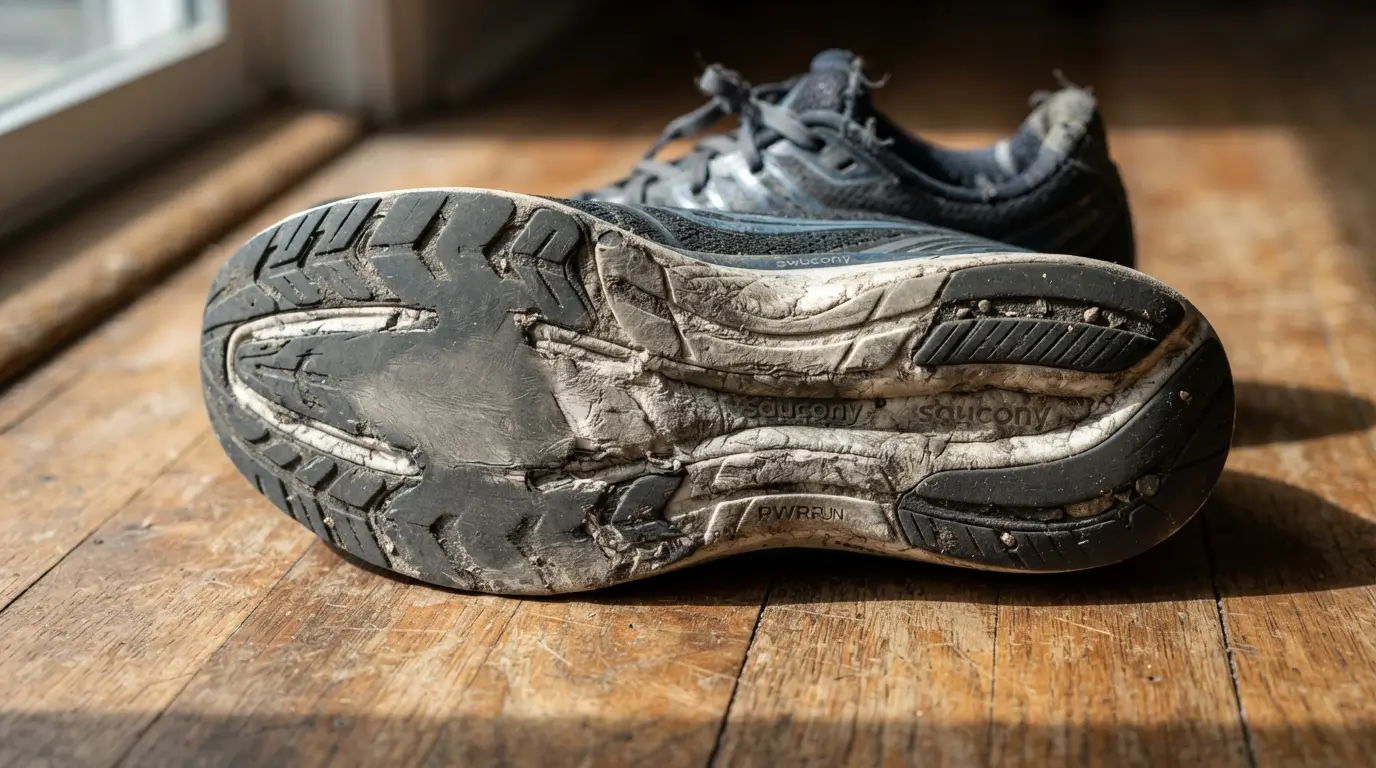
Grab an old pair of sneakers from your closet. Check the rubber tread on the bottom. Heavy wear near the inside edge of the big toe usually points to overpronation. You can also prop up your smartphone behind a treadmill. Record a video of your ankles from behind. Ankles that cave inward upon impact are a dead giveaway.
Should I size up when buying running shoes for flat feet?
Going up a half size from your normal casual shoe size is generally a smart move. Flat feet naturally splay out much wider upon impact. Exercise also forces extra blood down to your extremities. Buying a roomy shoe prevents black toenails entirely. You avoid that awful cramped sensation that forces people to quit a mile early.
How long do stability running shoes typically last?
A premium pair will usually survive between 300 and 500 miles. Heavier athletes will wear through the foam quite a bit faster. Running on rough gravel roads also chews up the rubber tread early. Use an app to track your weekly mileage totals. You want to replace dead foam before your knees start aching.
Conclusion
Buying the right gear will not magically make your workouts easy. It simply removes the massive physical barrier that stops most flat-footed runners from succeeding. Pick a model that sounds comfortable to you. Head down to a local store for a proper fitting. Give your body a solid month to adapt to the new foam. Then get out there and log those miles.